
Custom manufacturing · Complete assemblies
Custom keychain assemblies for business orders.
Plan the metal or enamel body, connector and keyring as one assembly. For each design, list the included parts and the quantity your team needs to order.
Custom concepts for business enquiries. Artwork, construction and commercial scope are confirmed for each project.
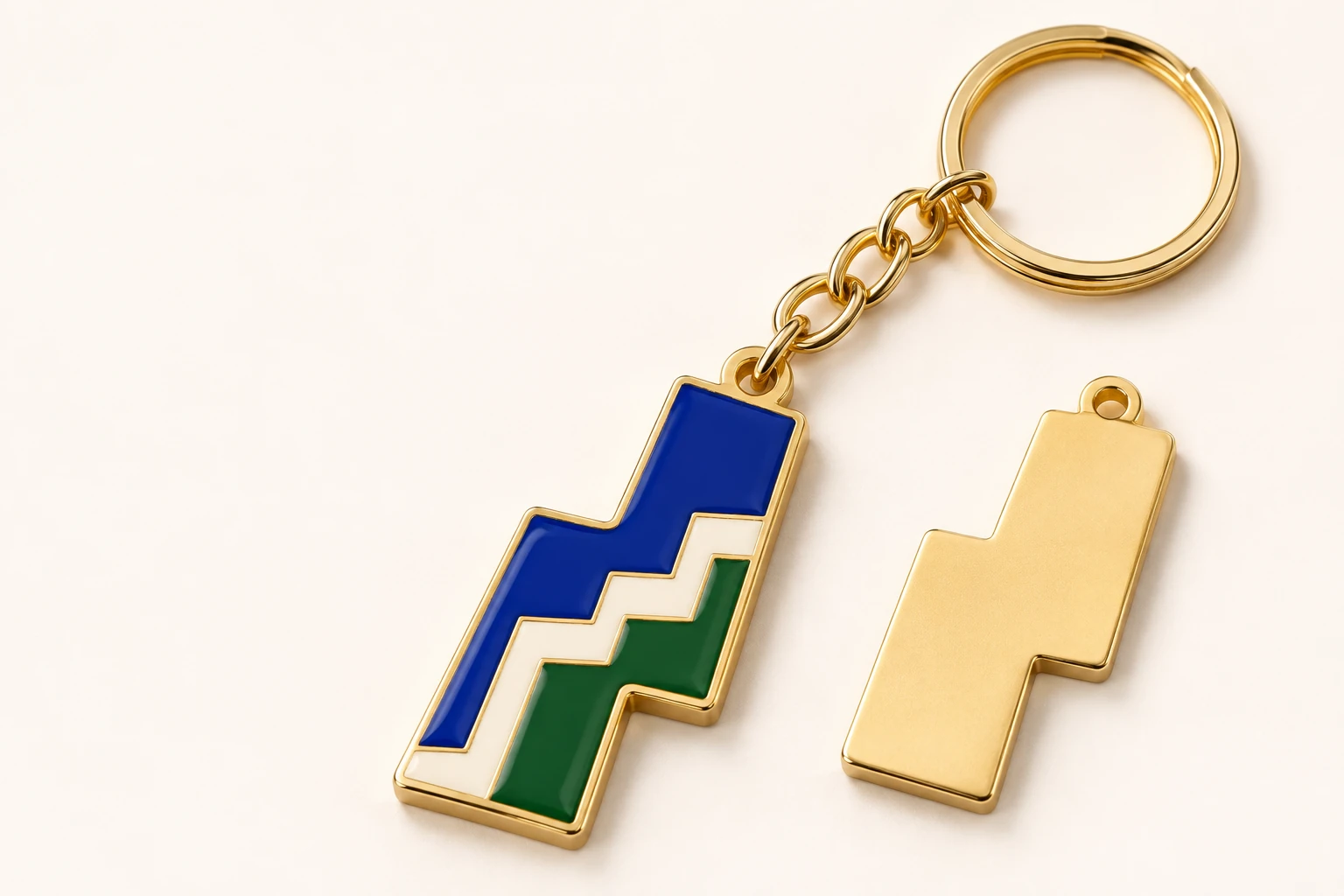
One complete product
Define the complete assembly.
A body dimension does not describe the whole keychain. Start by identifying the parts, the assembled form and what should arrive.
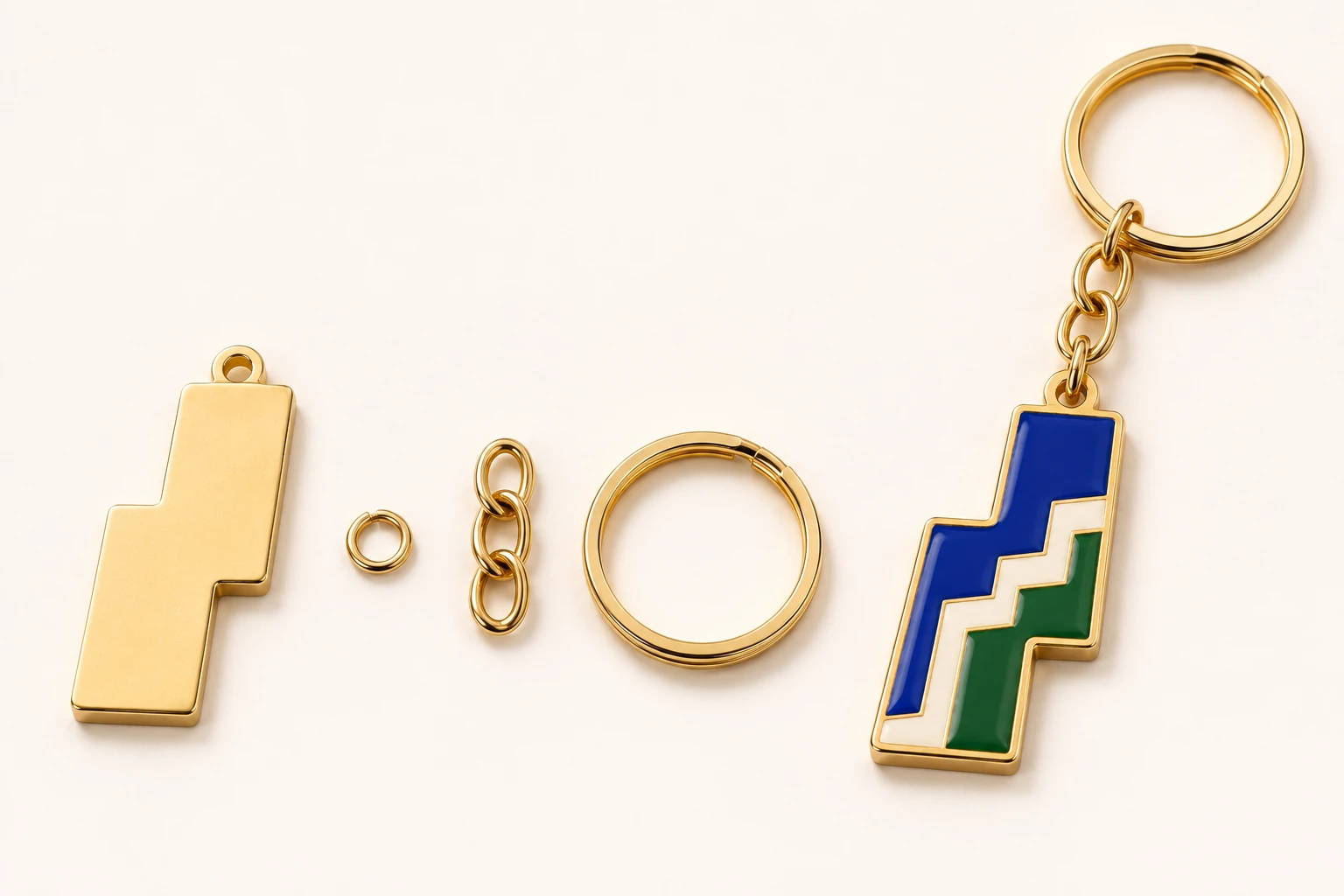
- A
Enamel body
Outline, front, reverse and the interface that carries the connection.
- B
Connection
The proposed connector or chain, its direction and the parts included.
- C
Keyring
The ring and its relationship to the complete supplied assembly.
- D
Presentation
Protection, card or set arrangement, plus version and transit grouping.
Not sure about every part? Mark it to define. An initial business enquiry can begin with the artwork, intended use and the decisions still open.
02 / Six enquiry briefs
Compare six custom project directions.
Compare the product you need to receive, rather than selecting a surface name or a decorative colour. Each direction below has its own assembly and scope questions.
Custom Logo Keychains in Bulk
Enamel metal · Complete keychain assembly · Business orders
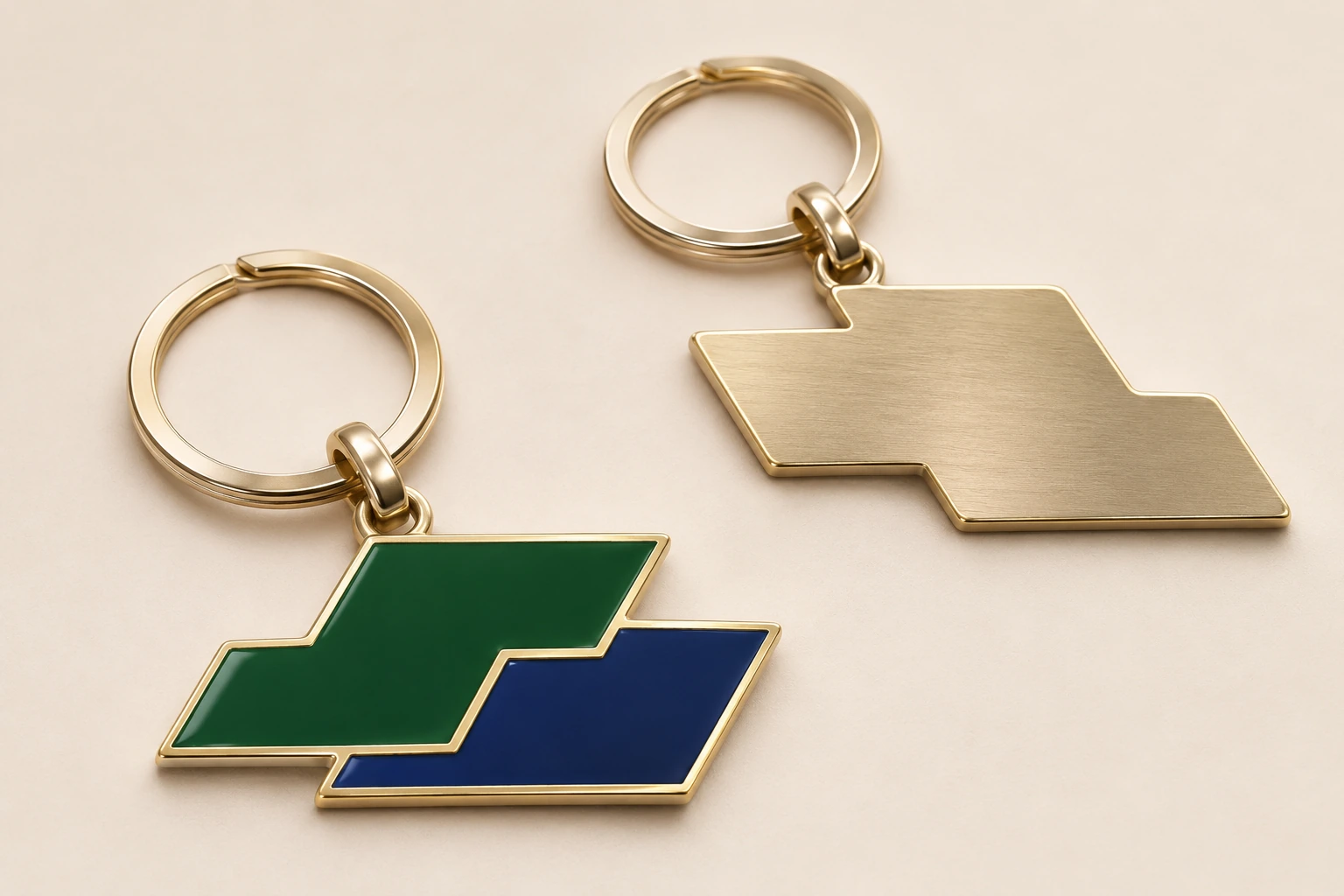
Bring an authorised company logo into an enamel metal keychain with a clearly defined body, connection and keyring. We work from your identity artwork and the way the finished pieces will be supplied, so the reverse, attachment and packing are part of the same project brief.
Product
one enamel metal logo body with the agreed connector and keyring.
Artwork
an authorised existing identity, with any simplification approved by your team.
Scope to agree
front and reverse, body and overall dimensions, connection, quantities and received packing.
Decisions to bring to the brief
- Quantity of complete keychains, separated by logo or colour version.
- Authorised logo source file and the identity details that must remain fixed.
- Intended body dimensions and any overall-size constraint.
- Front colours, metal appearance and reverse instructions.
complete assembly; protection method; card or label requirements; quantity by version; identification needed by the receiving team; agreed inspection and approval references.
View product detailsCustom Logo Bottle Opener Keychains for Bulk Orders
Functional metal keychains · Complete assemblies · Business orders
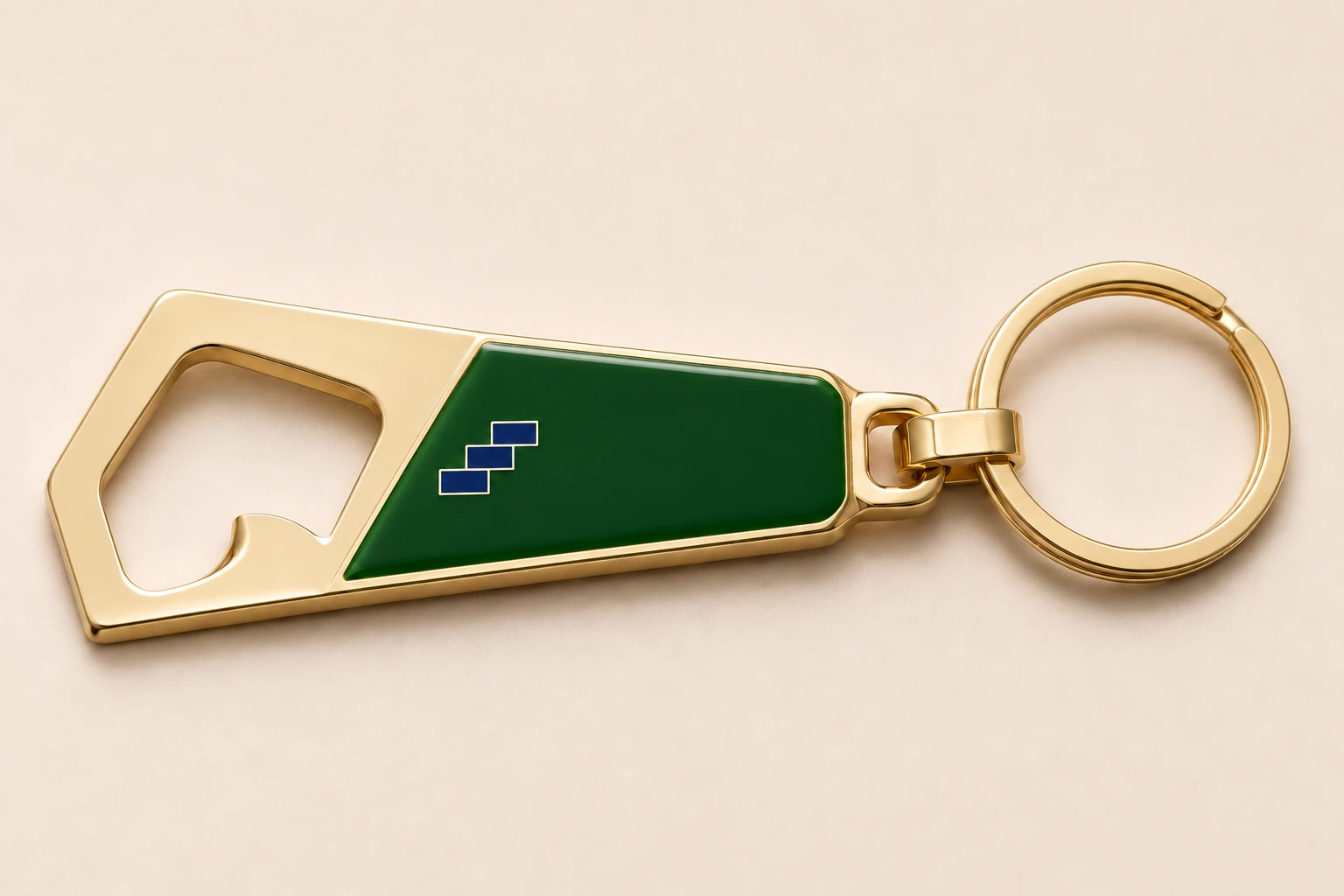
Develop a business keychain in which the metal body carries both the authorised brand artwork and the bottle-opening feature. Review the working opening, the hand-held part of the body and the keyring connection together, so the enquiry defines a functional complete item rather than a decorative logo tag.
Supplied unit
one bottle-opener body with the agreed connector and keyring.
Branding
authorised artwork placed within the agreed usable area.
Decisions to record
opening geometry, grip area, connection, reverse, versions and packing.
Decisions to bring to the brief
- Complete opener-keychain quantity by brand or colour version.
- Authorised artwork, colour references and reverse message.
- Intended body and overall dimensions, if known.
- Opening use reference and any grip or clearance requirement.
complete assembly, opening reference, grip and edges, artwork, reverse, surface, connector, ring, packed form, version labels and quantities. Record the approved revision so procurement and receiving use the same reference.
View product detailsCustom Motel Keychains in Bulk
Hospitality identification · Metal room tags · Complete keychains
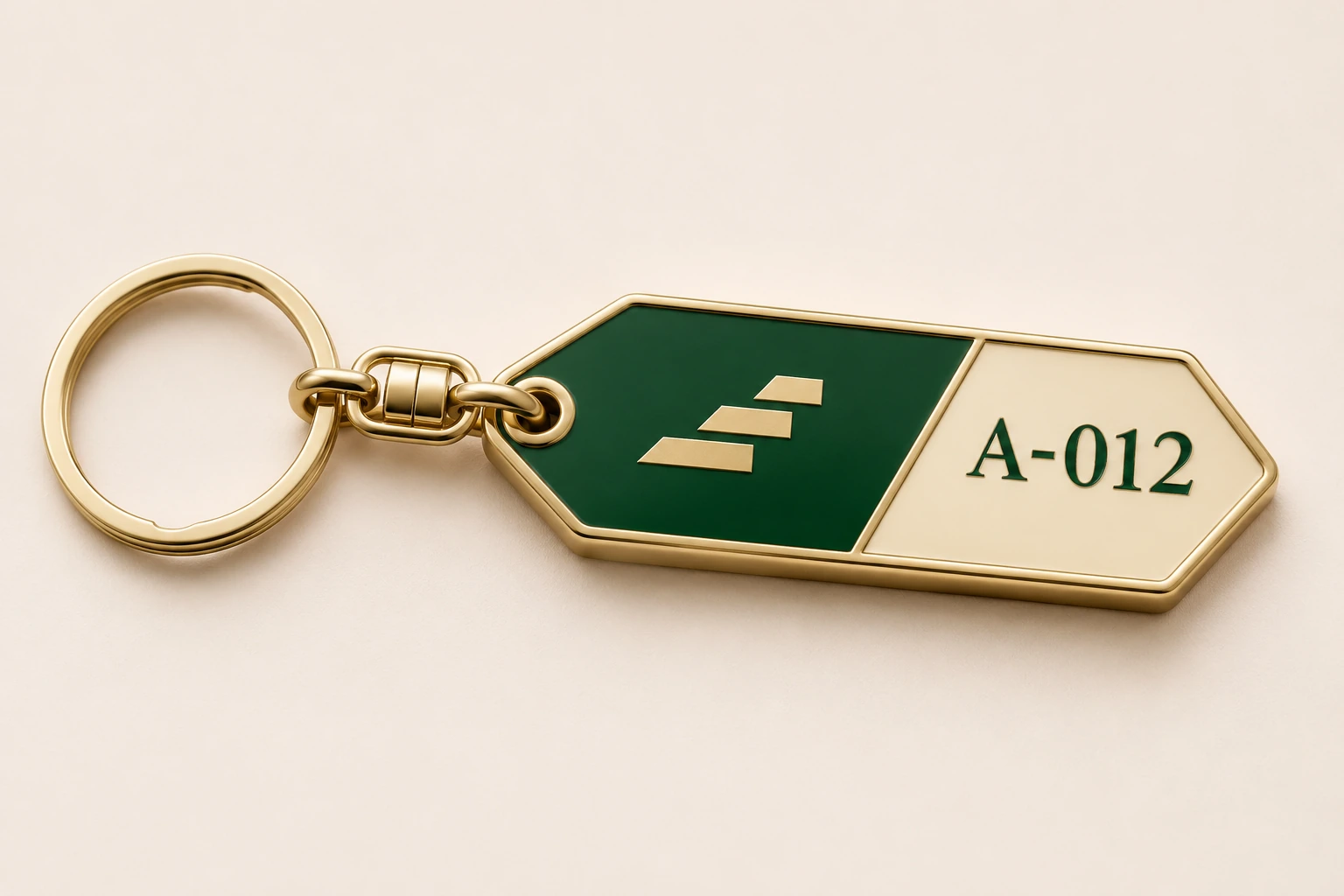
Plan metal room keychains around the codes your property team actually uses. The shared identity, room or zone reference, metal body and keyring should be reviewed as one operational item, with a clear quantity list for every code and a received arrangement your team can check.
Product
a complete metal room-tag keychain with an agreed connector and keyring.
Variable content
room, building or zone codes supplied in an approved schedule.
Receiving task
reconcile complete quantities by code, including any deliberately ordered duplicates.
Decisions to bring to the brief
- Complete quantity and typed quantity-by-code schedule.
- Authorised identity and any property-specific versions.
- Exact code format, including prefixes and leading zeros.
- Body dimensions, reverse content and surface preferences.
complete tag, connector and ring; physical body reference; correct shared identity; exact code and quantity; reverse; protection; group identification; approved schedule revision. Confirm how your team will raise discrepancies using those references.
View product detailsCut-Out Stainless Steel Keychains for Business Orders
Stainless steel sheet · Through-cut construction · Complete keychains
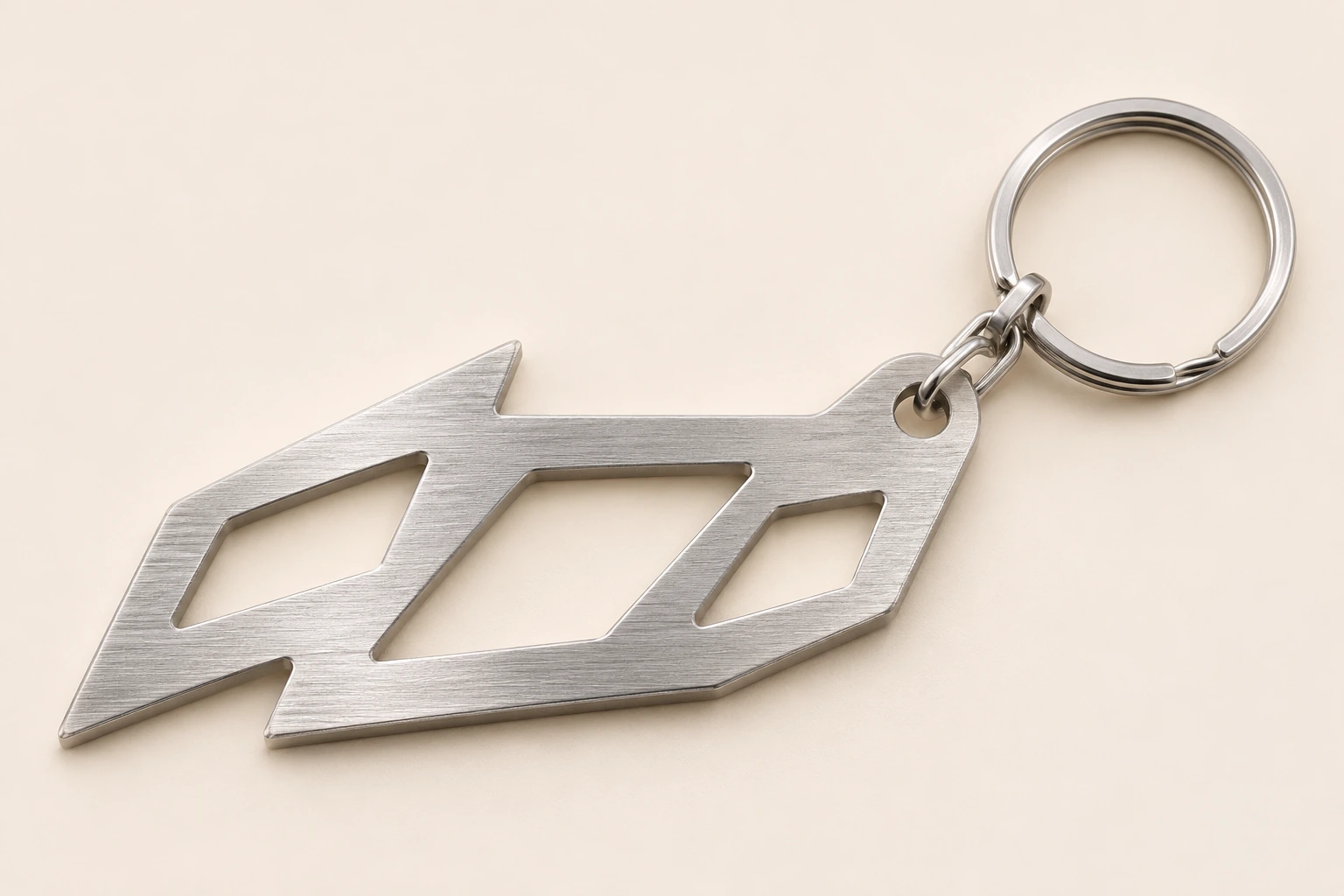
Develop a stainless steel keychain whose identity is created by openings that pass through the metal sheet. The outline, internal negative spaces, supporting bridges and hanging point form one connected body, supplied with the agreed connector and keyring for a business order.
Defining construction
genuine through-cut openings with metal bridges retaining the body.
Supplied unit
one connected stainless steel body with its agreed connector and keyring.
Review task
negative-space layout, inner and outer edges, hanging point and assembled form.
Decisions to bring to the brief
- Quantity by structural layout and drawing revision.
- Authorised identity and metal-versus-void reference.
- Intended body dimensions and overall-size constraints.
- Proposed bridges, internal openings and hanging point.
connected body; correct cut layout; inner and outer edge reference; hanging point; connector and ring; optional surface content; protection; version label; complete quantity. Retain the approved drawing and sample reference for reconciliation.
View product detailsMetal Carabiner Keychains for Wholesale Projects
Metal clip-body keychains · Complete assemblies · Wholesale projects
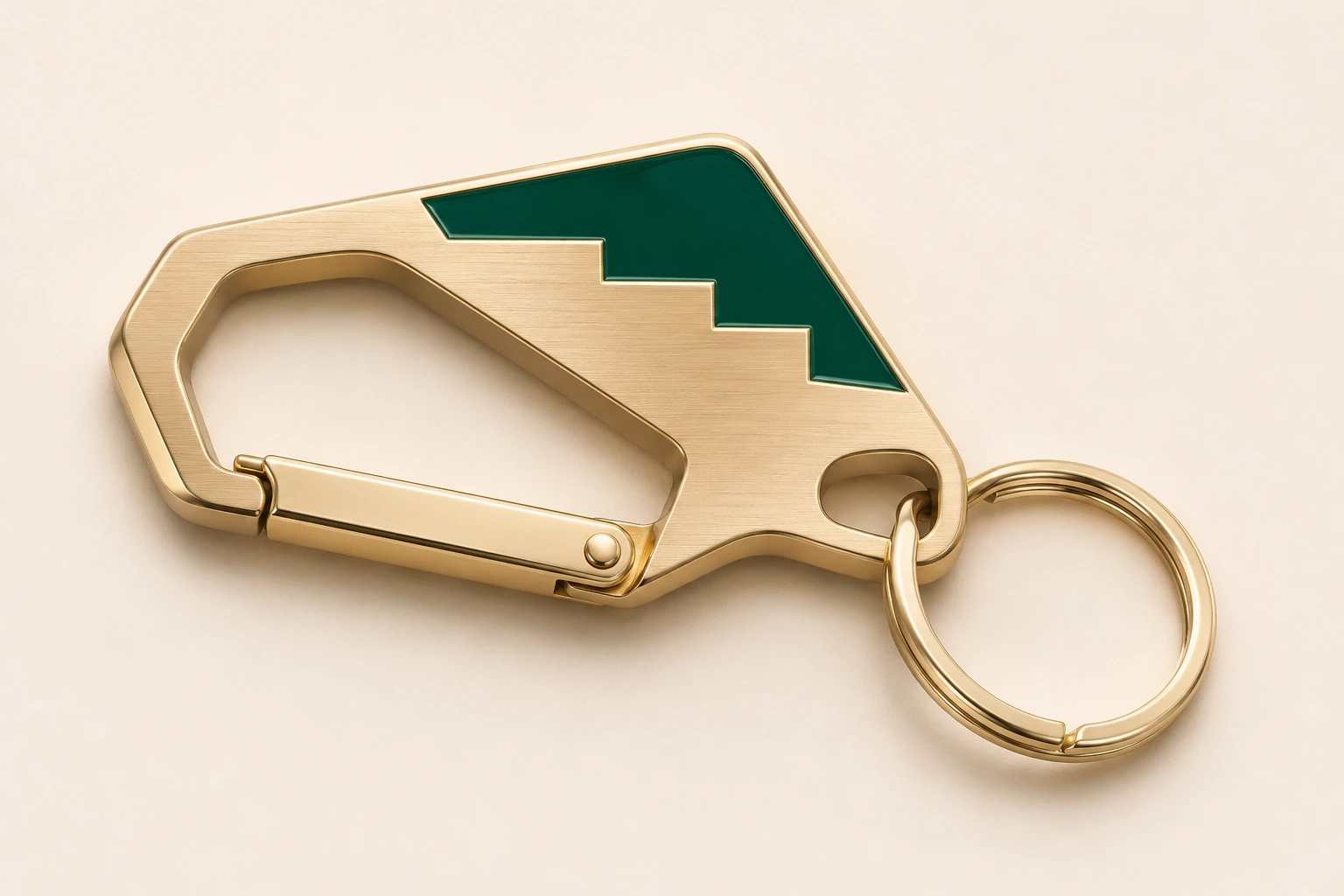
Plan a custom keychain whose main metal body opens and closes as a clip. Its shape, brand area, opening direction and keyring arrangement are reviewed together, so your business order defines a complete product rather than a logo charm with a different attachment.
Main product
the opening metal clip body itself, with an agreed brand zone.
Supplied unit
the complete clip-body keychain and specified keyring arrangement.
Decisions to record
opening mechanism, direction, connection, surface, versions and packing.
Decisions to bring to the brief
- Complete keychain quantity by structural and artwork version.
- Authorised identity and intended brand-zone reference.
- Main-body shape and proposed dimensions.
- Opening mechanism, direction and any existing reference.
correct main body; agreed opening arrangement; brand and reverse; metal appearance; ring connection; assembled contents; protection; version reference; quantity. Use the approved revision when raising questions or arranging a later reorder.
View product detailsPromotional Trolley Coin Keyrings
Metal token keyrings · Complete promotional assemblies · Business orders
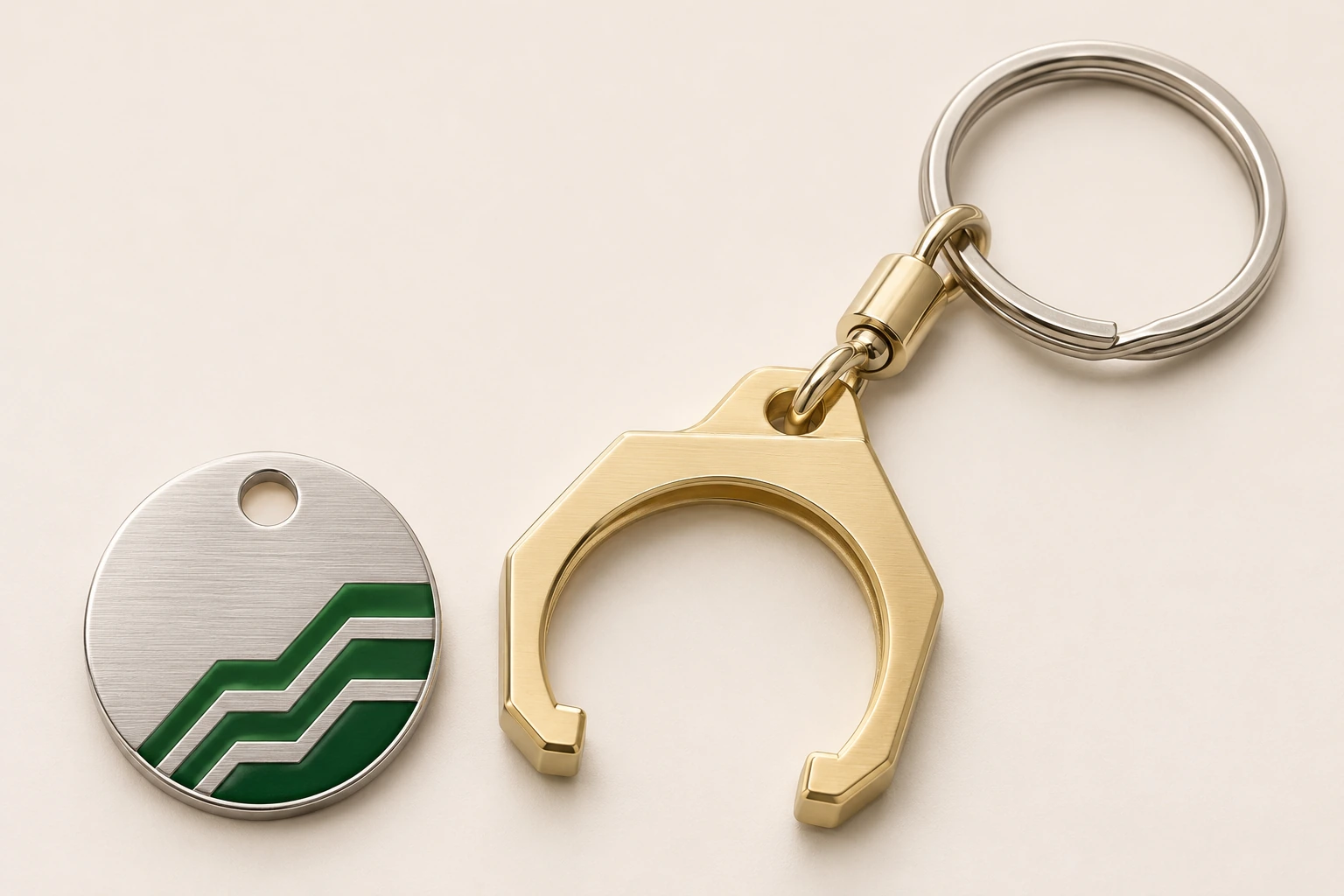
Plan a branded trolley coin keyring around the token, its retaining arrangement and the keyring your recipients will receive. The business brief should define how the token is released and held, which trolley reference it is intended for and how the complete assembly will be distributed.
Supplied unit
one agreed token with its retaining arrangement, connector and keyring.
Functional reference
the actual token or trolley interface your programme needs to review.
Buying task
coordinate authorised branding, complete quantities, sample scope and packed supply.
Decisions to bring to the brief
- Complete token-keyring quantity by brand and functional version.
- Actual trolley or token reference and any required dimensions.
- Retaining, release and return arrangement.
- Token count and other contents per purchased unit.
correct token; agreed retainer and release arrangement; connector and ring; authorised front and reverse; complete contents; functional-version reference; protection; brand-version quantity. Sample costs, revisions and approval responsibility are confirmed for the project.
View product details03 / The design input
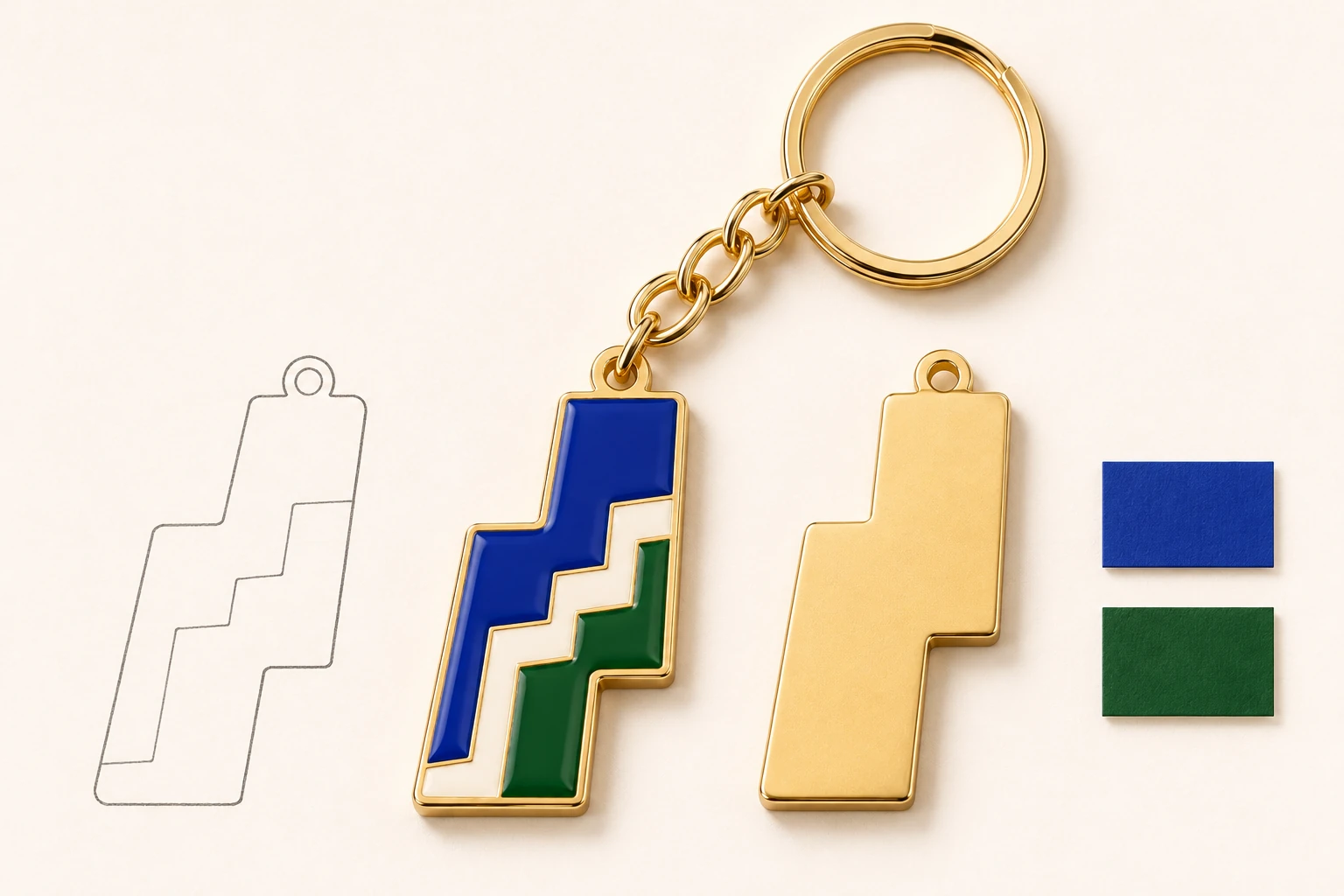
Turn the artwork into a product brief.
A logo file, an original idea and an adaptation reference are different starting points. Keep the design input connected to the complete product.
Provide the logo or reference you are authorised to use and identify the wording, outline and identity details that must remain recognisable. Add front-and-reverse requirements, colour references, the intended use and the proposed connection direction.
- Retain
- The identity and features your team has already fixed.
- Review
- Detail, colour boundaries and how the shape becomes a metal body.
- To define
- Dimensions, fittings, versions or presentation that need discussion.
Artwork rights, development arrangements, costs, sampling and revisions are discussed for the actual project. A website concept is not a production drawing.
04 / Surface with structure
Choose the enamel surface with the structure.
The surface is one part of the specification. Review it alongside line detail, colour areas, outline, reverse and the intended metal appearance.
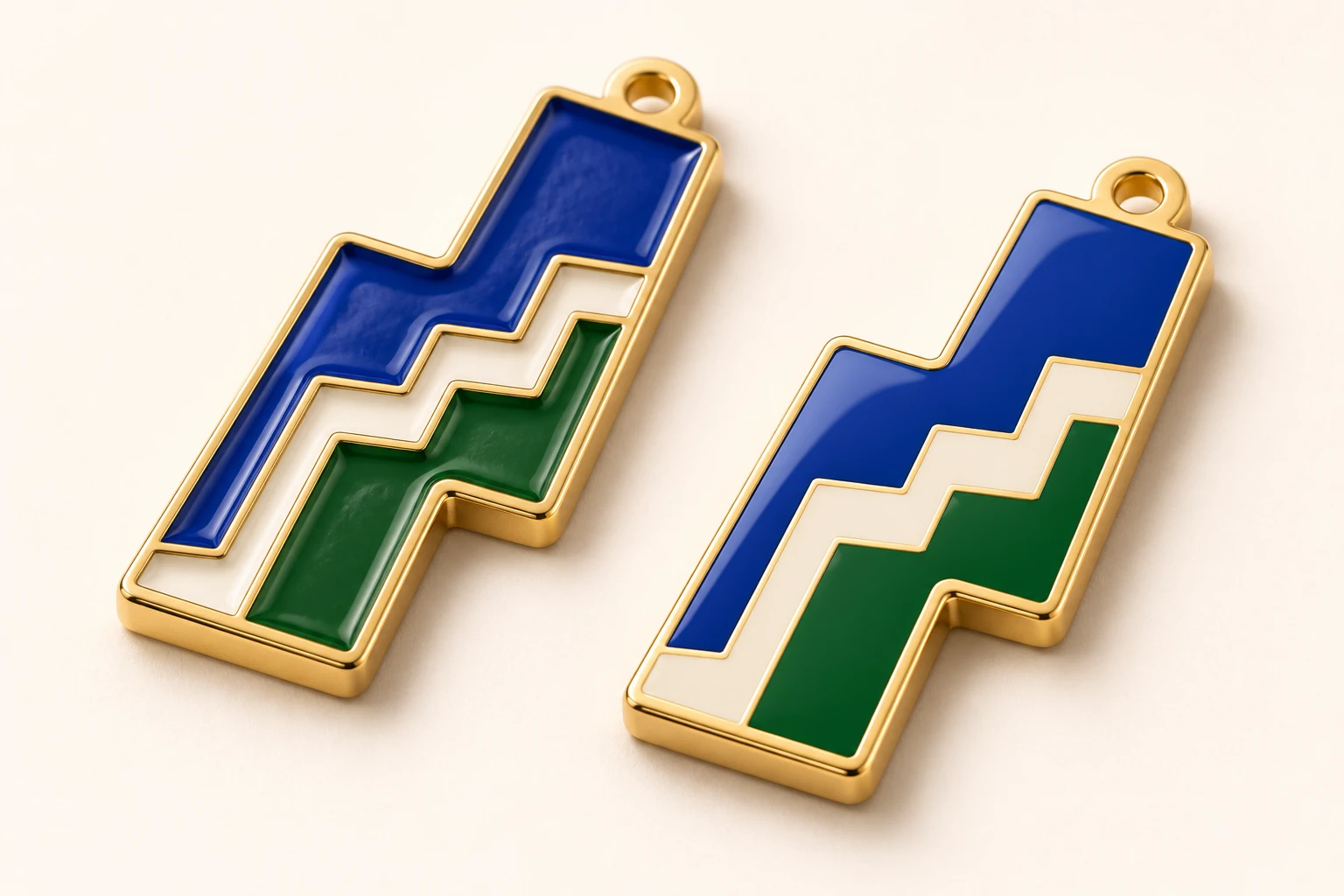
Recessed colour. Soft enamel typically retains lower colour areas between raised metal boundaries. Think about the size of the colour fields and how lettering and fine lines will read at the intended body size.
Flush surface. Hard enamel has a smooth, polished surface. Review the effect with the outline, metal divisions and front-and-reverse information rather than choosing from a surface name alone.
The actual route is agreed around the design. Neither surface name by itself establishes strength, wear performance, material composition or a testing result.
Read the production and quality guide05 / The interface
Agree the connection before fixing the supplied form.
The eye, connector, chain and keyring need to work as one proposed arrangement. Discuss the whole silhouette and orientation, not only the coloured body. Use the procurement guide to compare keychain fittings before approving a sample.
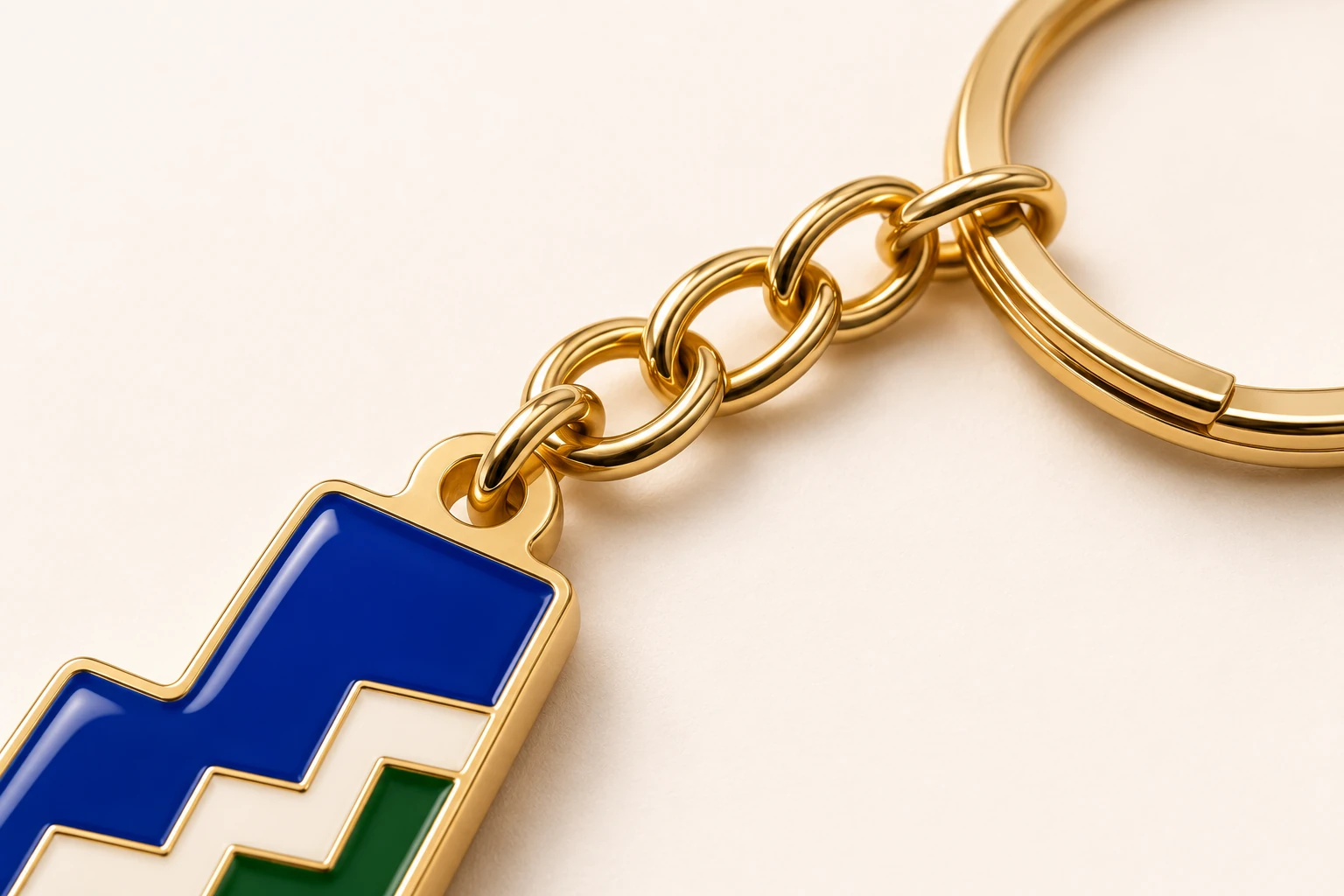
Define every included part.
State the body, connection and ring you want supplied, the assembled direction and whether the presentation is included. Ask for the proposed combination to be reviewed for your artwork and construction.
Keep the assembly boundary clear.
If another team will use the body in a different assembly, identify the interface and what remains separate. That enquiry belongs with the component and attachment discussion in Charms.
Explore enamel charmsPictured fittings are illustrative. Availability, compatibility and the actual supply arrangement require project confirmation; no universal load or durability performance is implied.
06 / Our manufacturing scope
Manufactured and assembled in our own factory.
The manufacturing work and the complete supplied keychain belong in the same conversation.
Green Frog Supply
Operated by HANGZHOU FORTHRIGHT TRADE CO., LTD
Hangzhou, China
Our own factory carries out tooling, metal forming, enamel colouring, polishing, electroplating, assembly, inspection and packing. The route is discussed around the product and finish selected for the project.
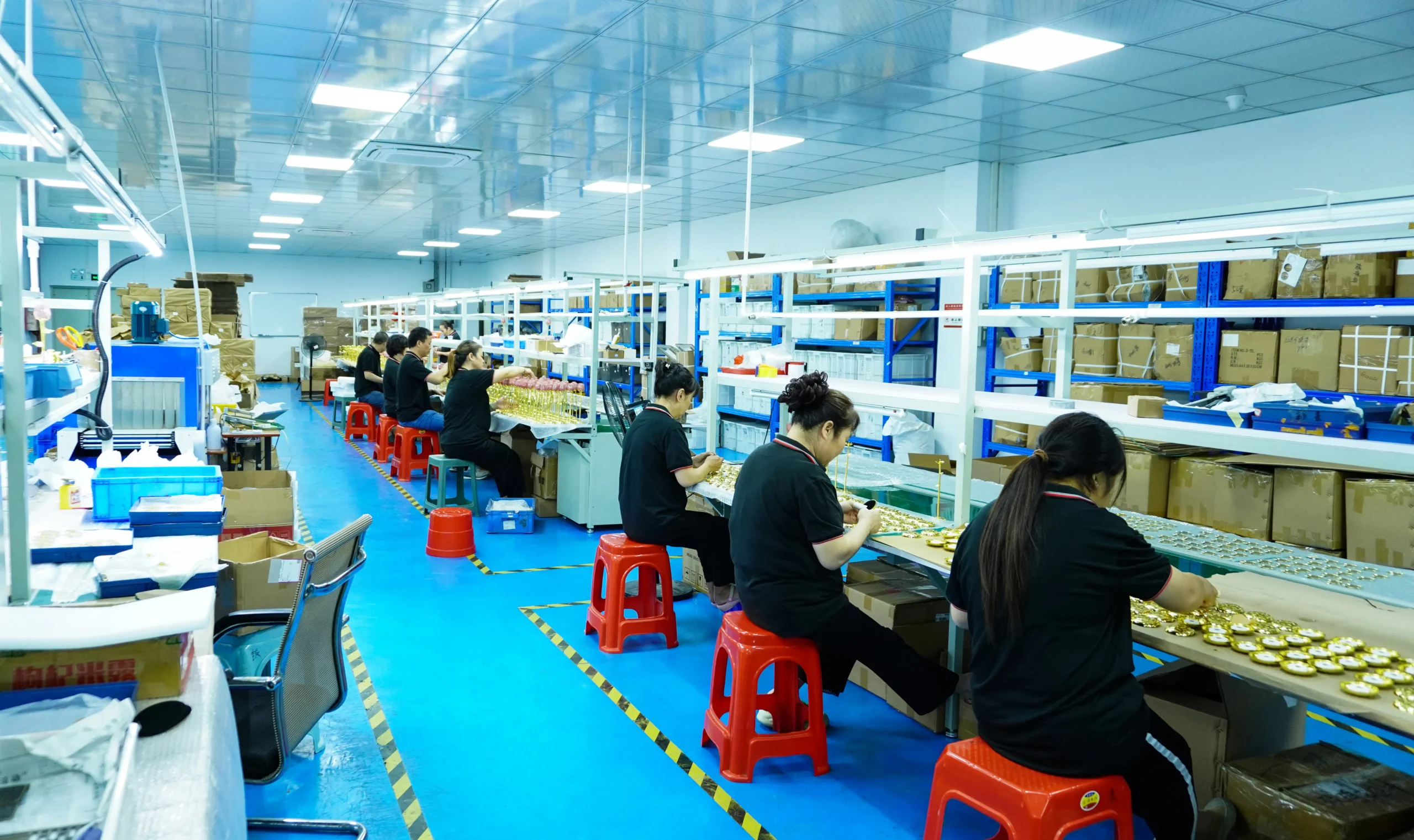
Use the body, connection and keyring to relate the operations below to the complete supplied item.
Outline, front, reverse and eye
Connector or chain and direction
One complete supplied item
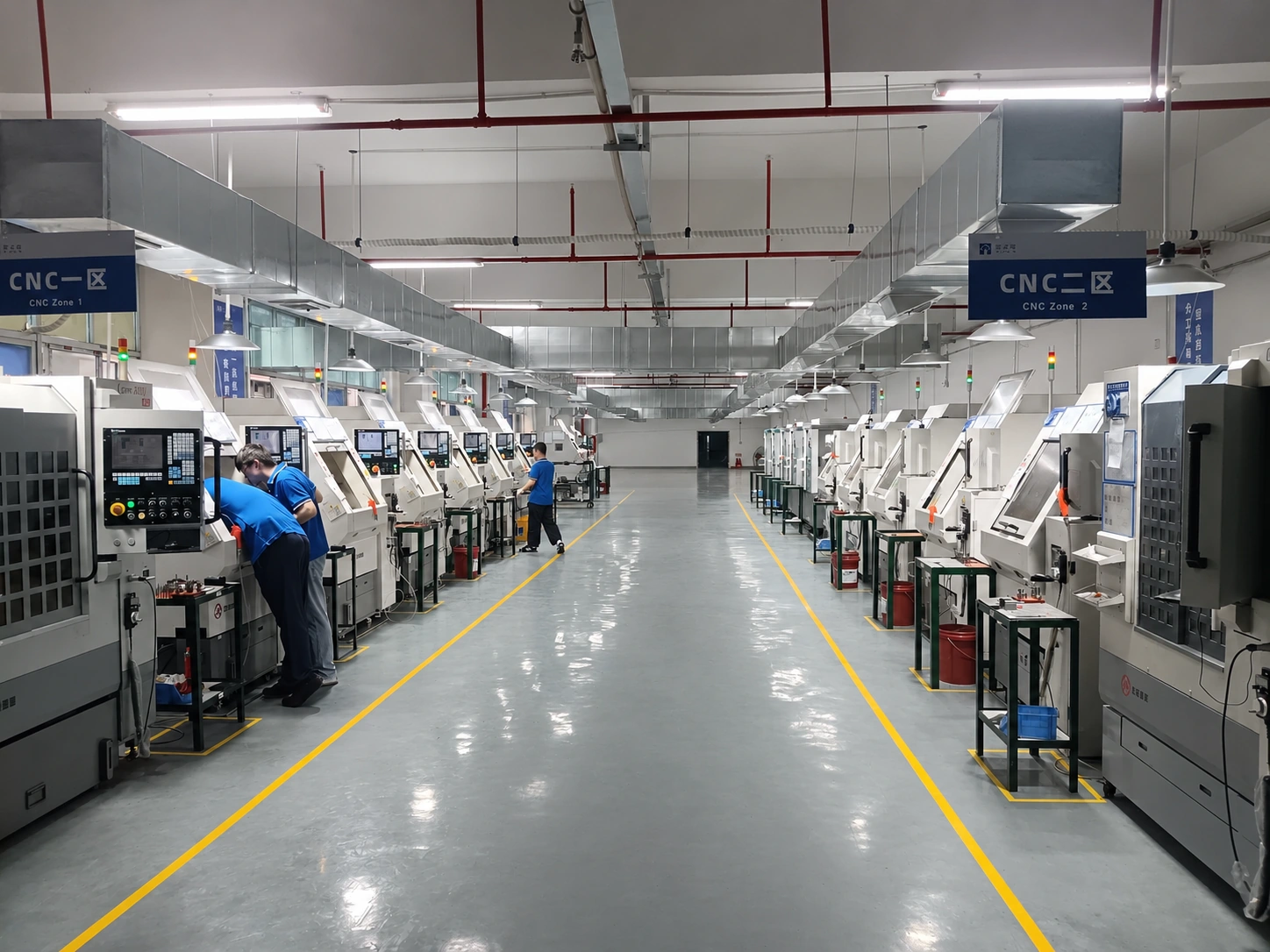
Tooling
Body outline
The named artwork, outline and front-and-reverse requirements provide the reference for tooling discussions. Connection features belong to that same product definition.
Metal forming
Body and eye
The metal body and its connection interface take shape around the agreed design. The body remains one part of the complete keychain arrangement.
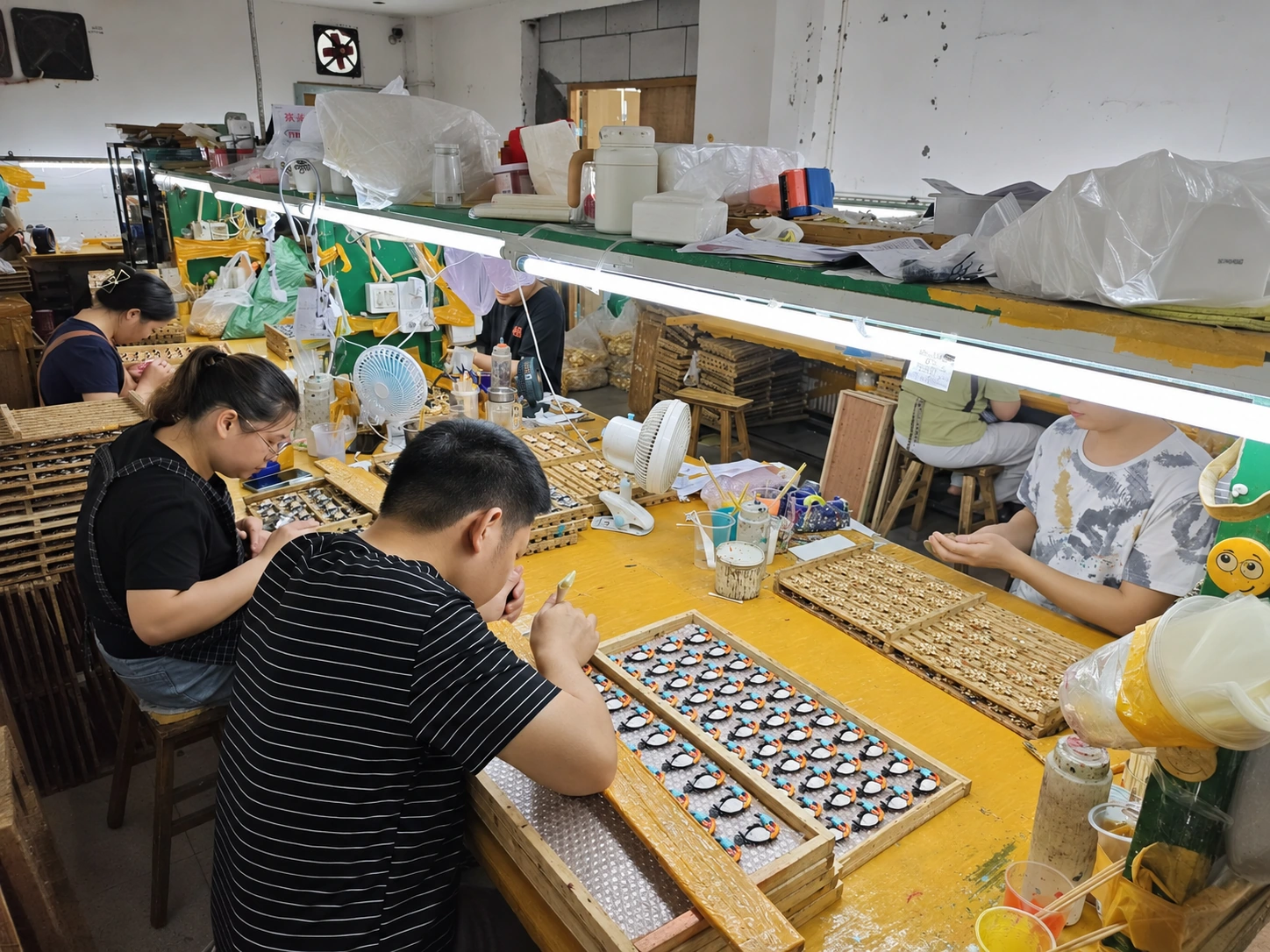
Enamel colouring
Front colour areas
Colour areas follow the artwork and colour references under discussion. Their boundaries need to work with the intended lines, lettering and visible metal.
Polishing
Surface and edge
Surface and edge work relate to the selected enamel route and intended appearance. The applicable route is confirmed for the actual specification.
Electroplating
Visible metal
The metal appearance is defined alongside the enamel and included parts. An illustration does not establish a material composition, performance level or approved finish sample.

Assembly
Connection and keyring
The agreed body, connection and keyring are brought together as the supplied product. Included parts and assembly responsibilities need their own clear scope.
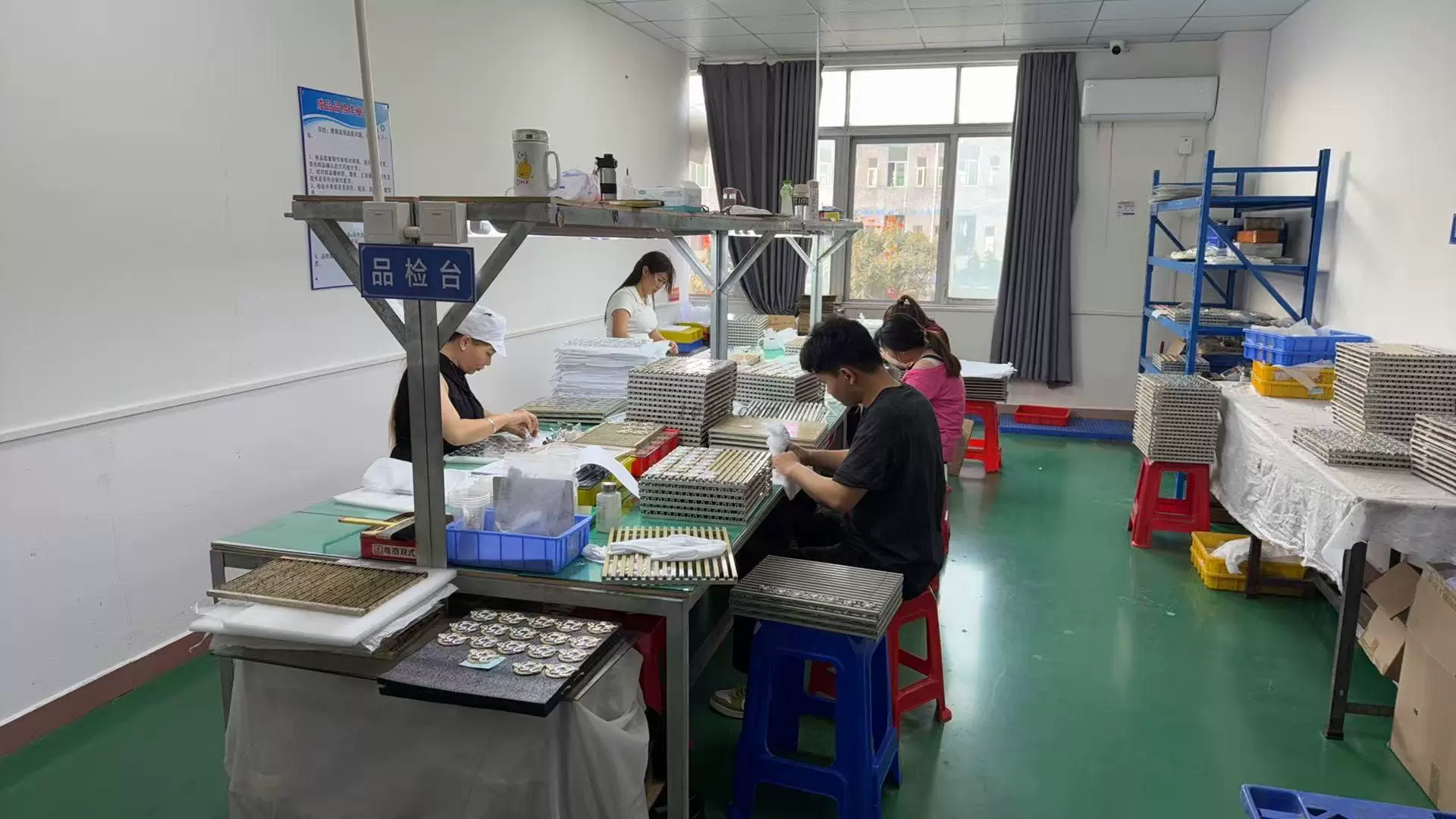
Inspection
Complete supplied form
The relevant appearance, dimensions, connection and supplied presentation are reviewed against the applicable project reference. Specific review requirements are discussed before arrangements are agreed.
Packing
Versions and units
Named versions, complete pieces or sets are kept connected to the agreed counting unit and packing scope. Presentation and transit grouping are confirmed for the enquiry.
Factory visits and video reviews are available by appointment. Discuss an agenda and the factory or quality information relevant to your product; a general factory image does not establish the arrangements for your project.
Explore factory scope and visit discussions07 / In production
Follow the parts into a finished keychain.
The body route meets the agreed fittings at assembly. These six stages explain the changes to discuss; the actual sequence depends on the specification and enamel route.
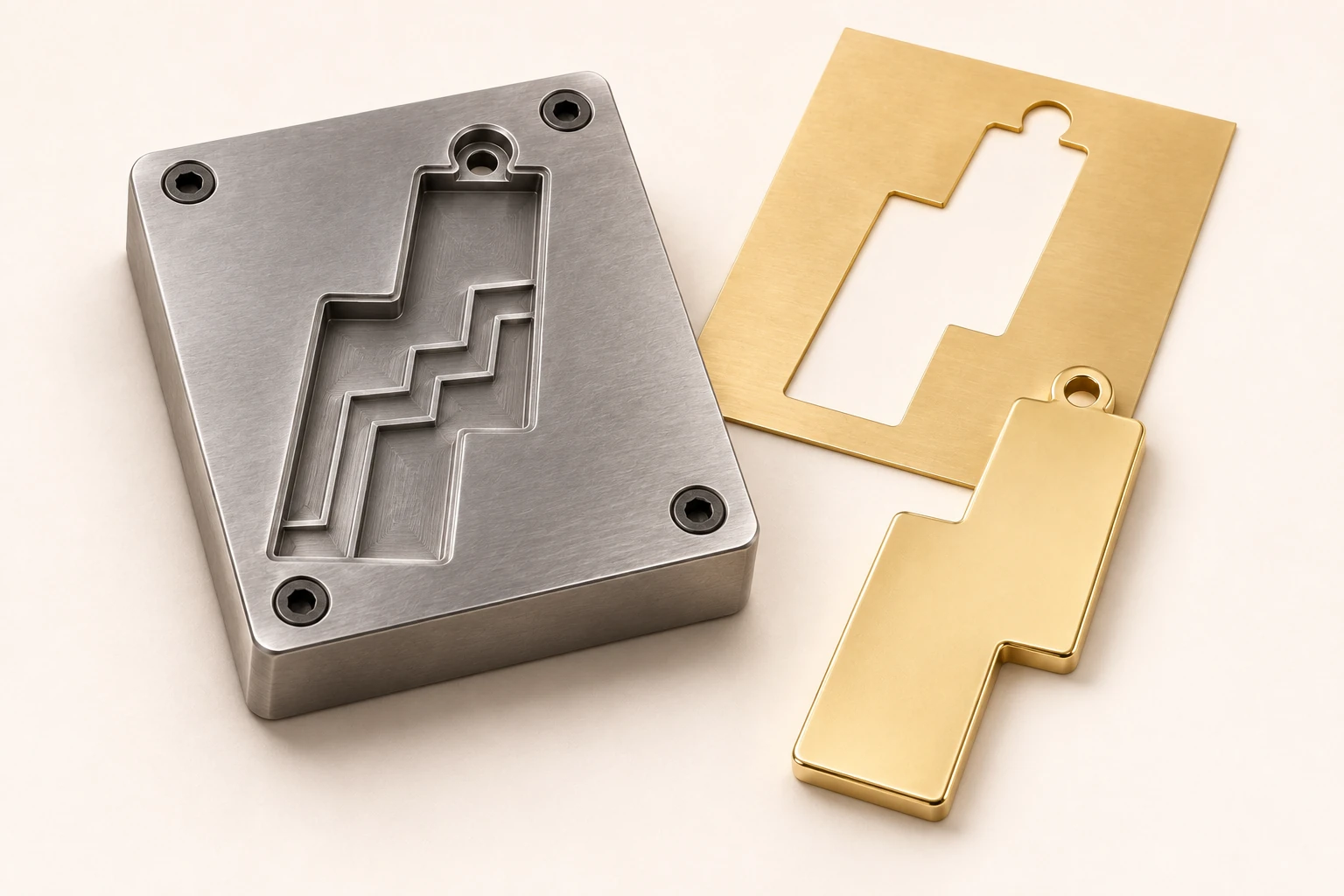
Body route
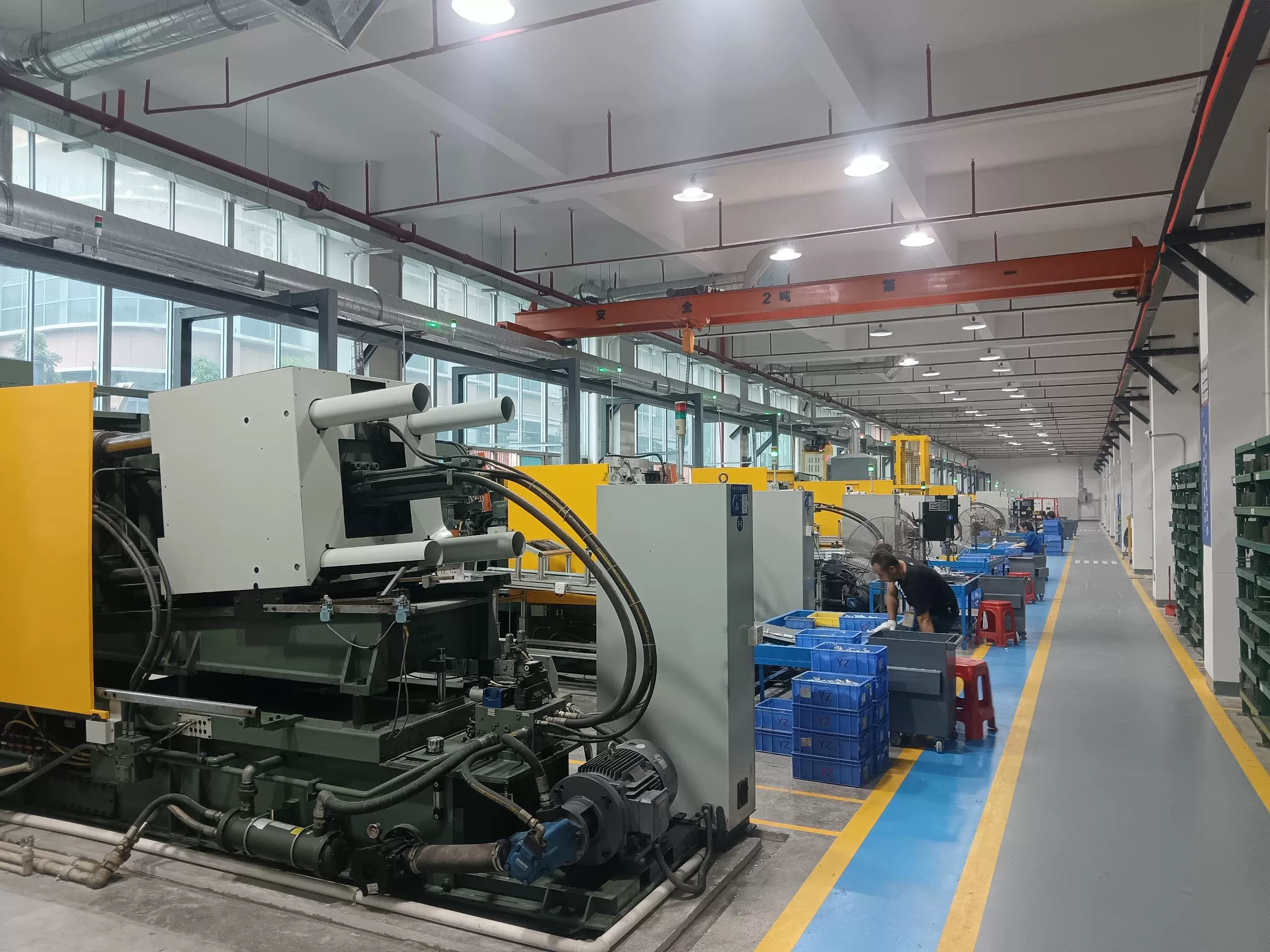
Artwork and tooling
Define what the tool needs to carry.The outline, front and reverse details and body interface must refer to the same product definition. Identify wording and features that need to remain clear before the proposed tool and product route are discussed. The illustration explains this stage; it is not a tooling approval record.
Body route
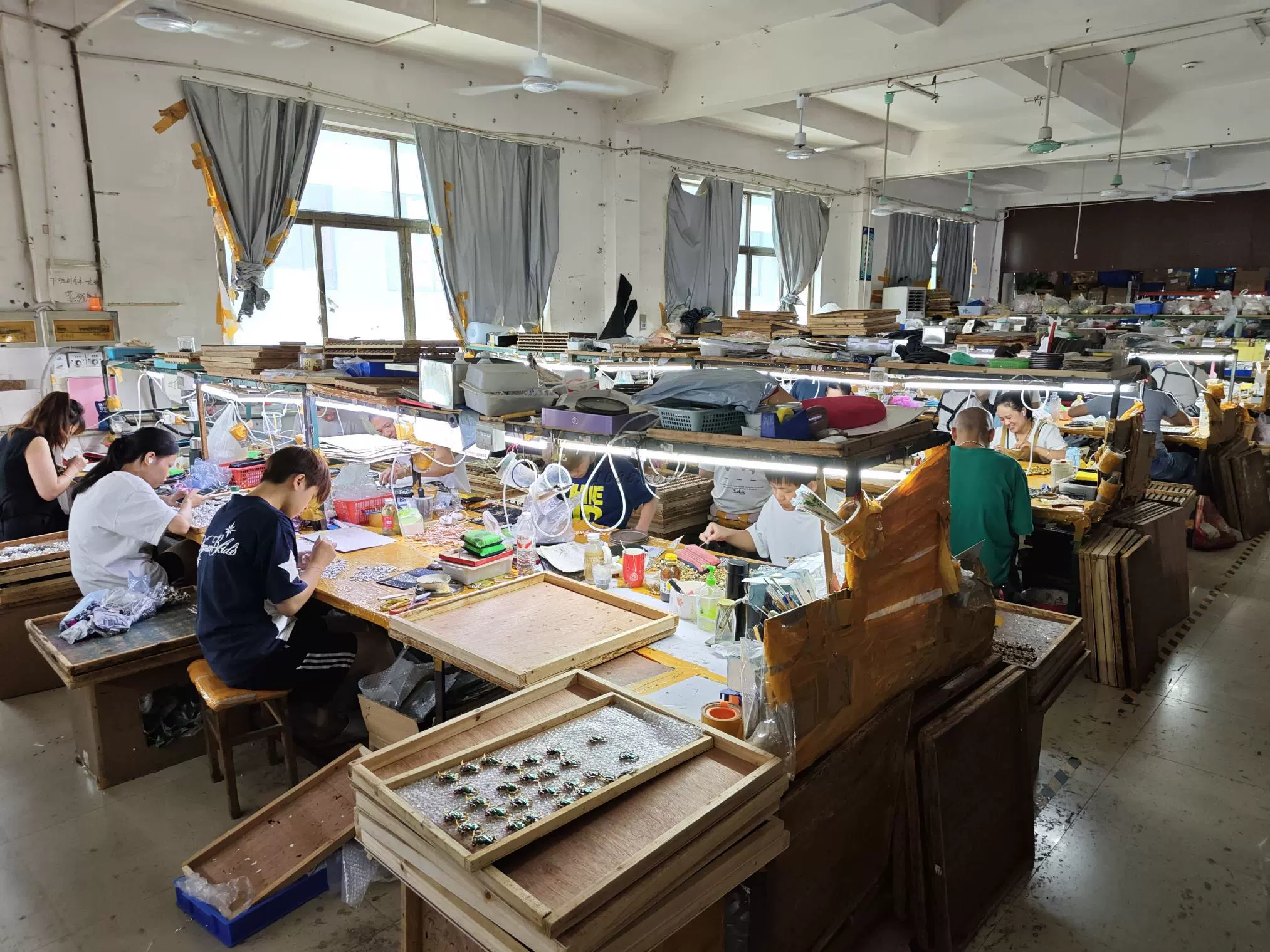
Metal body
Form the body and its connection feature.The metal body takes shape around the proposed outline and relief. Its connection eye is considered with the complete assembly, rather than added as an unrelated detail. Dimensions and construction remain tied to the project reference and the specification to be confirmed.
Body route
Enamel and surface
Bring colour and visible metal together.Colouring, surface work and the intended metal appearance follow the enamel route selected for the design. Fine lettering, boundaries, front and reverse and edge treatment are reviewed together. Their sequence and suitability are agreed for the actual product, not assumed from a generic diagram.
Connector, chain and keyring
Included parts and assembly responsibility are defined in the scope.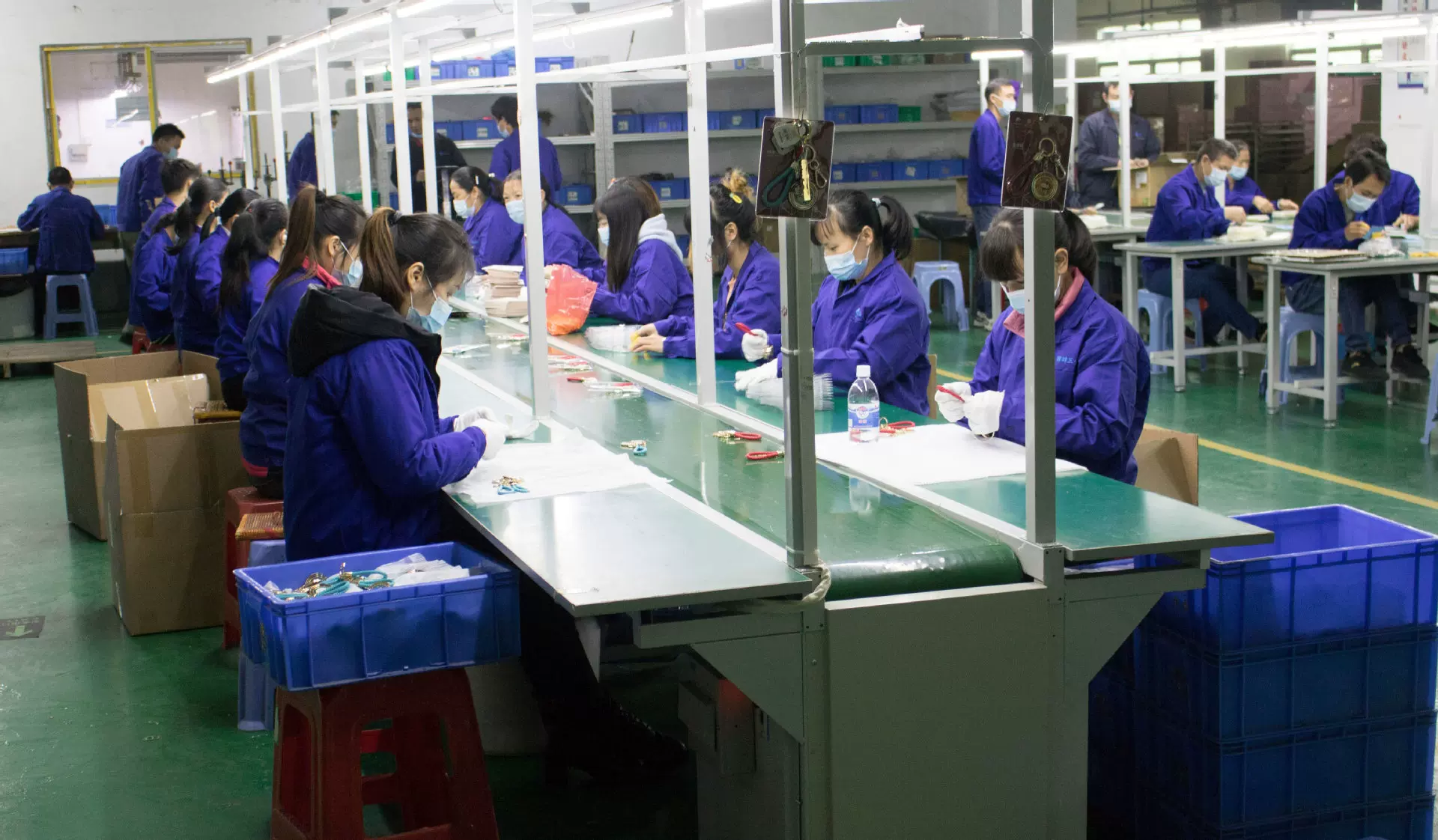
Body + agreed fittings
Connection and assembly
Join the agreed parts as one supplied product.The body, connector, any chain and keyring meet at this stage of the explanation. Check what is included, how the product is oriented and who carries out the assembly. A fitting in a concept image is not evidence of stock availability or universal compatibility.

Complete supplied unit
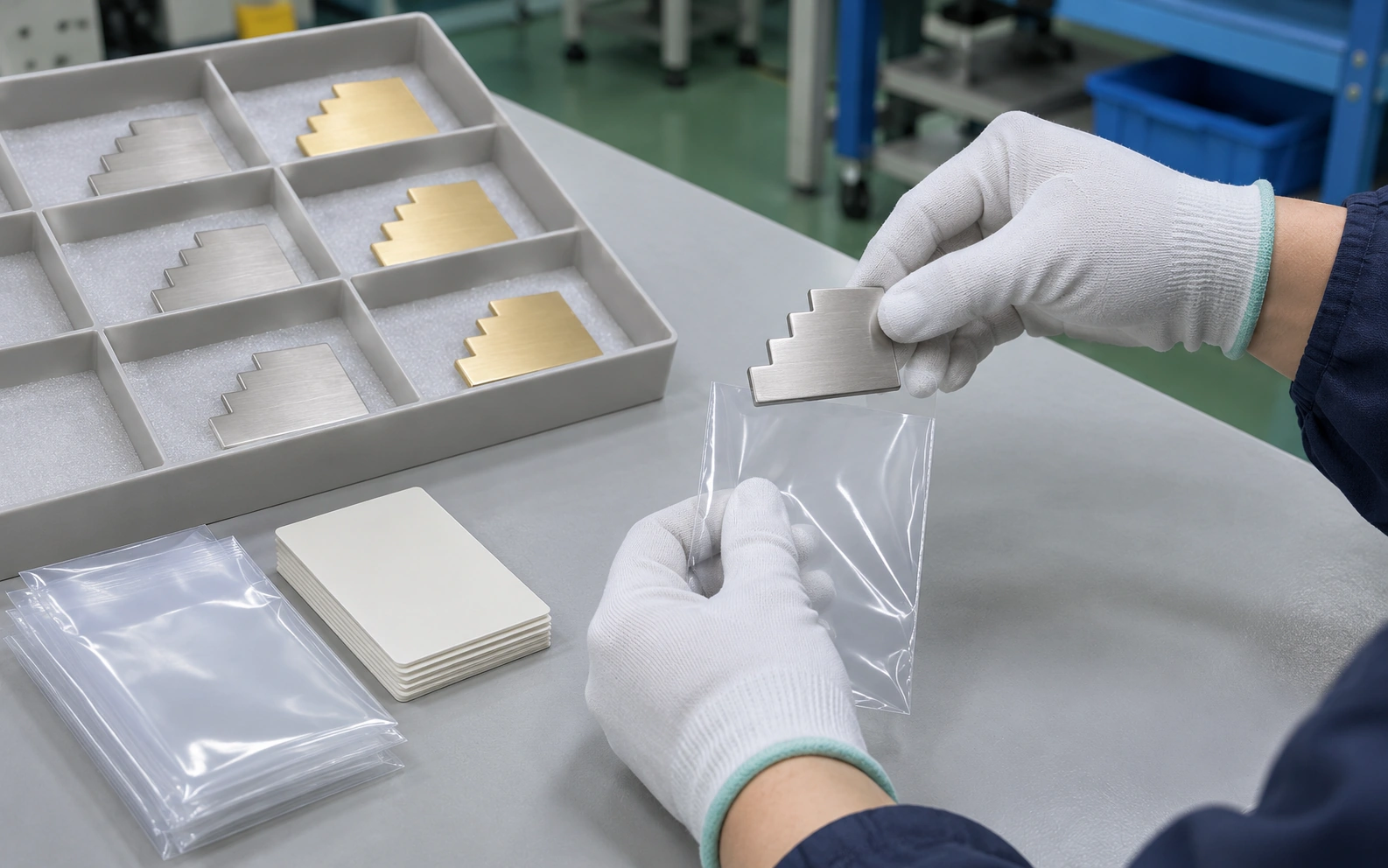
Project review
Compare the product with its reference.Review the relevant front, reverse, colour areas, visible metal, dimensions, connection and presentation against the agreed drawing or sample reference. Record questions by version and feature. Any particular testing, inspection or supporting-information request needs to be raised for the actual project.
Complete supplied unit
Packing and grouping
Keep the unit and its version identifiable.Individual protection, cards, sets and transit grouping must match the supplied form. Separate the named versions and agreed counting units, and identify the included presentation. Manufacturing and dispatch arrangements are confirmed for the project; this illustration does not document a completed shipment.
08 / Working together
Carry one assembly brief through the project.
Cooperation records your team’s inputs and the points to agree. It is separate from the factory process above, and no stage implies a fixed fee or turnaround time.
One accumulating assembly checklist
Keep the product definition together.
Build the body, fittings, units and packing fields around the current reference. The material below lands in the field it helps define; keep the current product, quantity and presentation decisions visible together.
Body · starting reference
01Project starting point

Share the business use, authorised logo or concept and the product form you have in mind. Mark the details that must remain recognisable and those that are open.
A useful starting reference with the fixed, provisional and missing information visible.
Quantity · versions and units
02Versions and units

Name each design or colour version, estimate its quantity and distinguish individual complete pieces from sets. For a multi-charm product, define the bodies included in one assembly.
A version list with a clear counting unit, rather than an unexplained total.
Connection + keyring · specification
03Specification and scope
Body interface, direction and included joining parts.
Proposed ring, supplied assembly and included fittings.
Describe the body, connection, keyring, presentation and destination requirements. Ask for proposed materials, construction, included parts and commercial assumptions to be stated.
The proposed product and quotation scope, with unresolved decisions retained in view.
Body · reviewed reference
04Artwork and sample review
Give feedback against the named drawing or physical sample reference. Identify the precise feature to retain or change, and agree the sampling scope and implications of a revision.
Recorded feedback attached to the reference it concerns, not an ambiguous visual approval.
Carry every field into the production basis
05Production arrangements
Bring the approval reference and outstanding decisions together before manufacturing arrangements are agreed. Discuss actual timing, costs and responsibilities for the defined scope.
An agreed basis for the next stage, including the remaining information and approvals.
Body referenceConnectionKeyringVersion quantitiesPacking scope
Packing · supplied form and destination
06Packing and dispatch scope
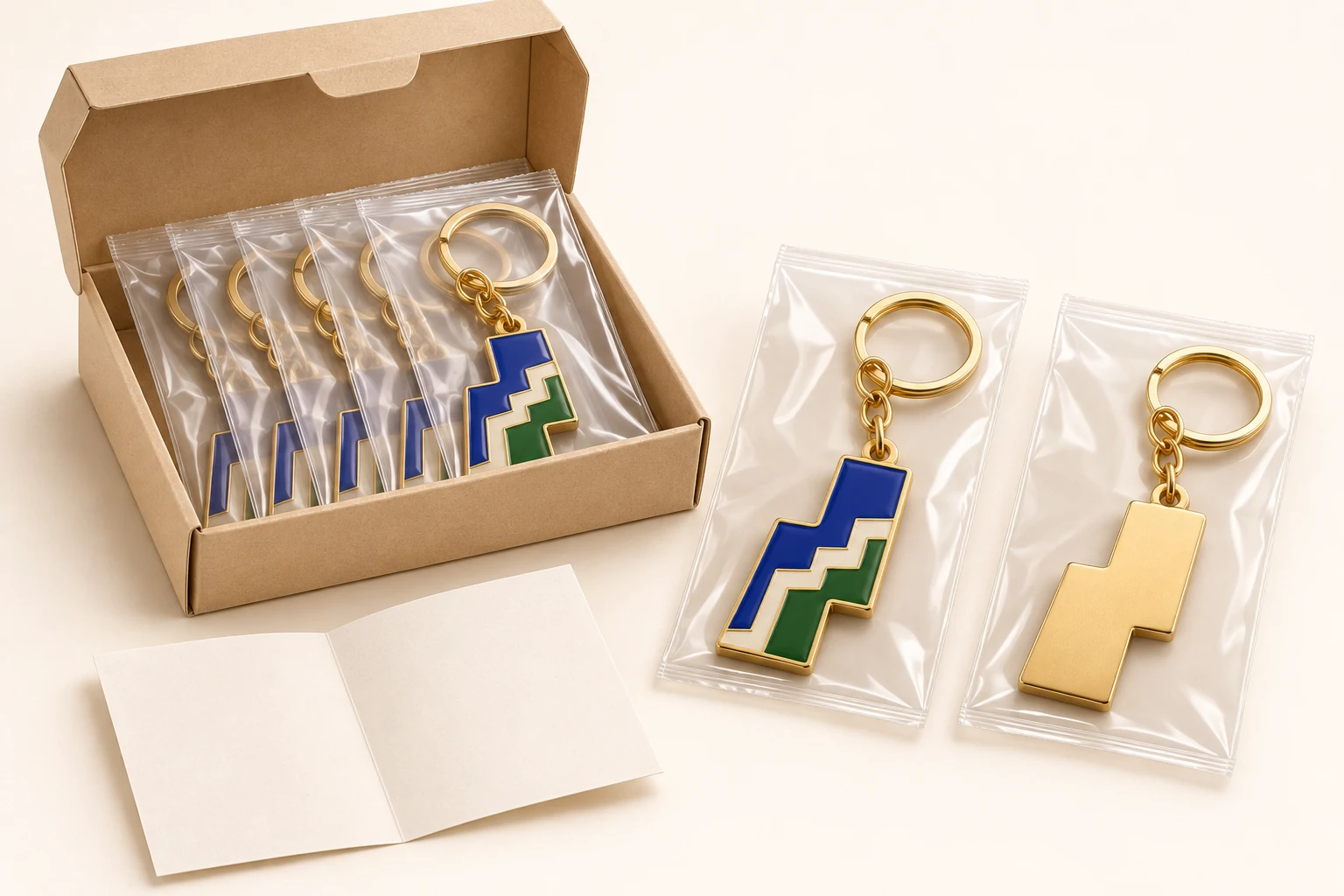
Confirm version grouping, complete supplied units, protective presentation, destination and arrival context. Distinguish a requested arrival date from an agreed delivery arrangement.
Packing and dispatch responsibilities, with remaining details explicitly identified.
Keep open choices visible. A diagram, image or requested date does not establish an approved drawing, included component, fixed charge or agreed manufacturing schedule.
09 / Sample review
Review the sample against the agreed reference.
Artwork approval and physical sample review answer different questions. Keep the object, the reference and the feedback connected.
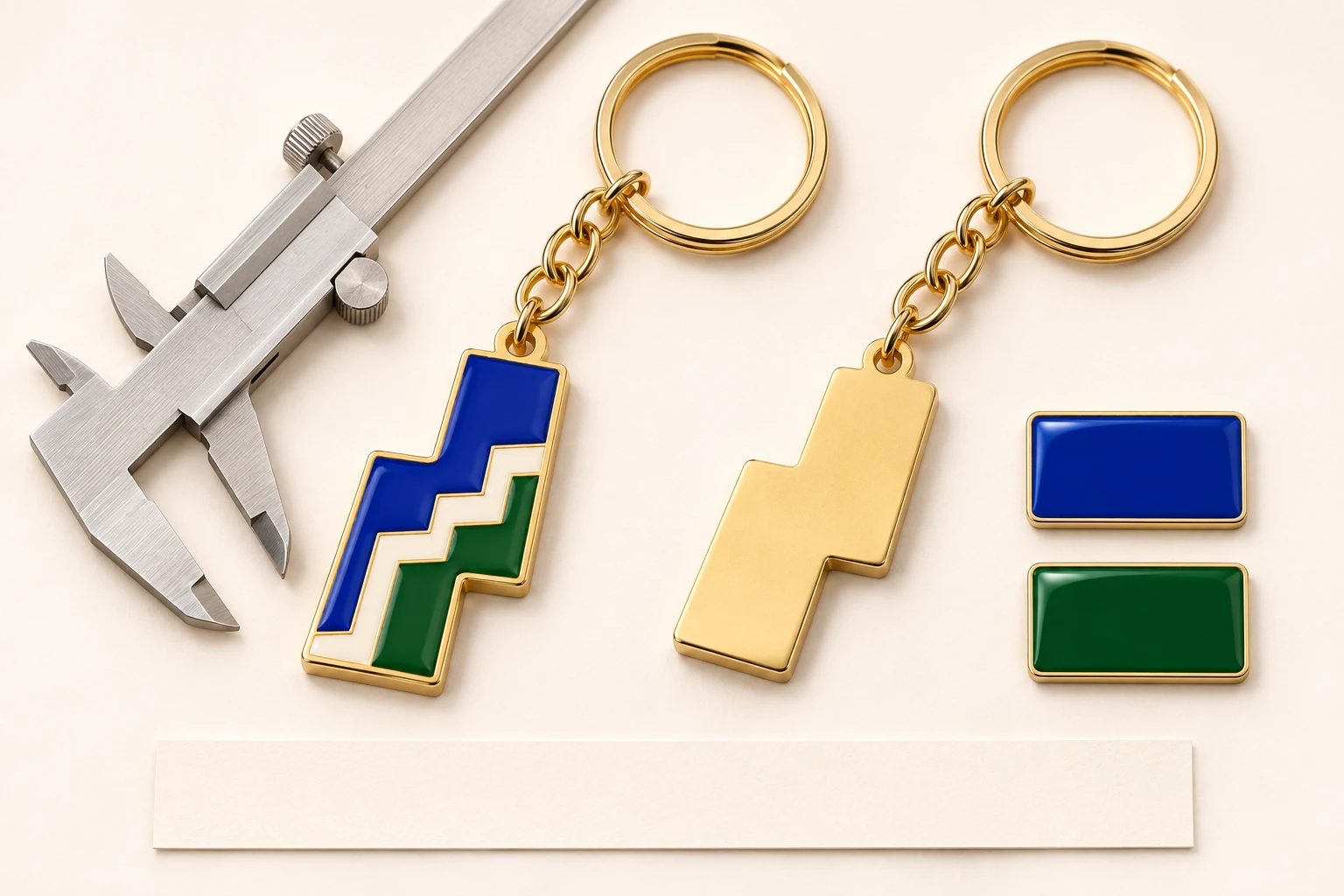
- Front and boundary
- Reverse and eye
- Connection direction
- Colour reference
Review record
- Reference
- Name the drawing, specification or sample and its version.
- Feature
- Identify the front, reverse, colour area, metal boundary, connection or presentation concerned.
- Feedback
- State what to retain or change, with the affected version visible.
Discuss any particular review, testing or supporting-information requirement before arrangements are agreed. A generated image is not an inspected sample, certificate or approval record.
Explore review and quality considerations10 / Counting and presentation
Count pieces, versions and sets separately.
A single complete piece, a carded piece, a set of complete keychains and one multi-charm keychain are different supplied arrangements. Define the unit before comparing quantities.
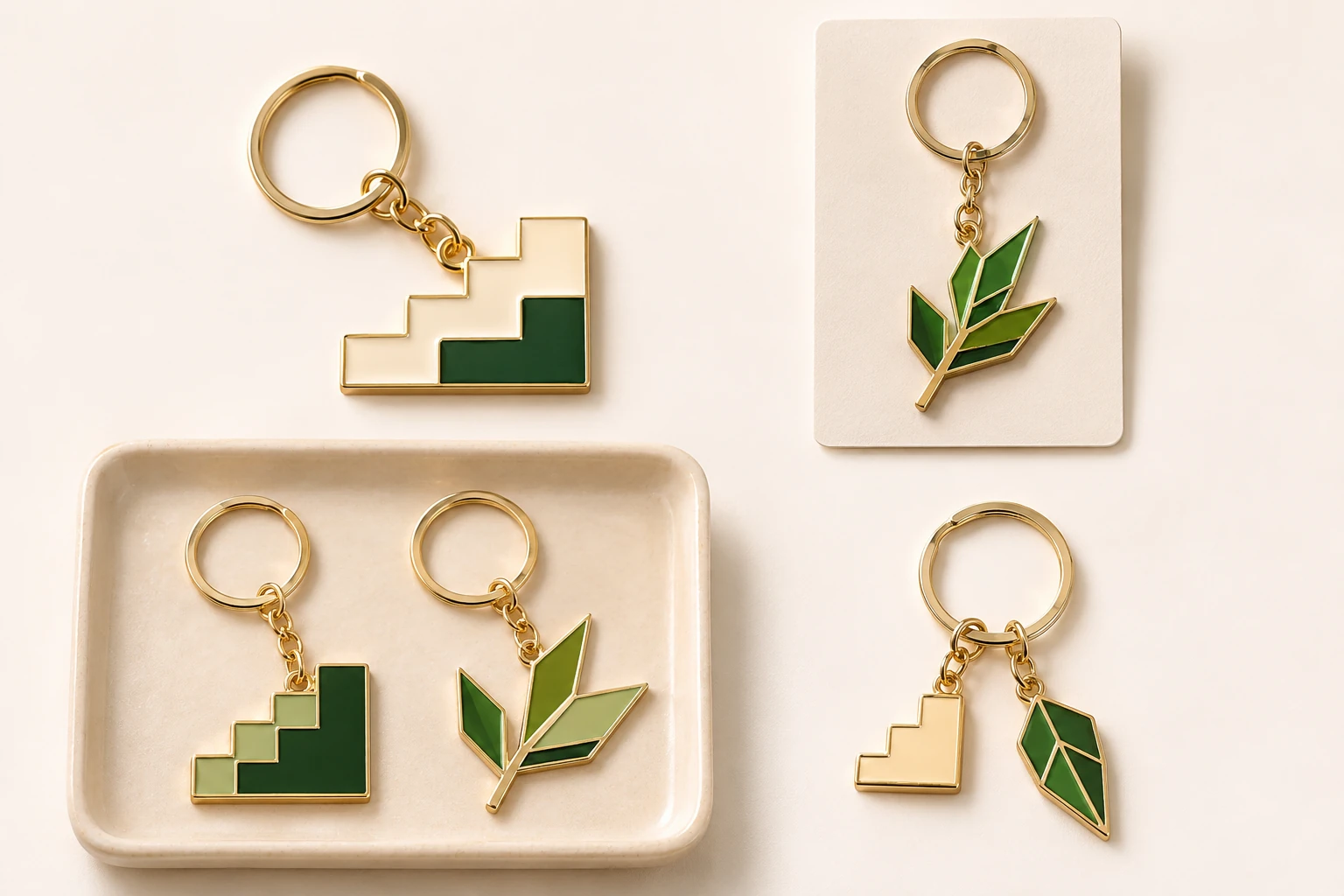
One assembled keychain, with its agreed body, connection and ring.
A complete piece plus the card, mounting and protection included in the scope.
Several separately complete products. List the contents of one set and the number of sets.
One keyring carrying several included bodies. Count the complete assembly, then record its contents.
Give quantities by named design or version. Confirm packing, labels, grouping, minimum quantities and commercial arrangements for the actual specification. The illustrated arrangements are not MOQ, stock or preset packages.
11 / Before you enquire
Questions about one complete product.
Read the related questions together. The illustration shows how the body, ring and carded presentation relate.

01Scope & counting
01Do you supply a complete keychain or only the enamel body?
The supplied form is agreed for the project. For a complete keychain, identify the enamel body, connector or chain, keyring and any included presentation. If you need only the body or a component for another assembly, state that clearly so the quotation does not assume a finished keychain. Our charms category addresses component and multi-purpose interface enquiries. Confirm the included parts and who assembles them before comparing offers.
06How do we state quantities when we have several designs or a set?
Name each design or version and give the estimated number of complete pieces required for it. If you are buying sets, list the contents of one set and the number of sets. A multi-charm keychain is one assembled product with several included bodies; it is different from a set of separate complete keychains. Keep those counting units explicit. Minimum quantities and commercial arrangements are confirmed for the actual specification and version split.
02Size & connection
03Which measurements should we include for a custom keychain?
Distinguish the enamel body from the overall assembled keychain. A body measurement does not describe the space occupied by the connector, chain and keyring. Share the dimensions you intend, the desired orientation and any requirements at the connection point. If these are undecided, label them as provisional. We can discuss the proposed construction against the artwork and supplied form, rather than treating an image as a complete specification.
05Can the connection or keyring be changed for our design?
Describe the connection arrangement you want and which parts should be included. The body interface, connector, any chain and the keyring need to work as one agreed assembly. A fitting shown in an illustrative concept is not confirmation of stock availability or universal compatibility. Ask for the proposed combination to be reviewed for the actual design, including its orientation and supplied appearance, before fixing the production specification.
03Artwork & surface
02Can we enquire before our artwork is final?
Yes. Share the authorised logo, reference or concept available and identify the features that must remain recognisable. Mark the outline, size, colours and reverse information that are still open. An initial enquiry can establish which decisions are needed for a product review. Design development, artwork rights, sampling arrangements, costs and any revisions are discussed for the actual project; a website concept is not an approved production drawing.
04How should we choose between soft and hard enamel?
Soft enamel typically retains recessed colour areas between raised metal boundaries, while hard enamel has a smooth, polished surface. The choice should be reviewed with the artwork, line detail, colour areas, outline, reverse and intended metal appearance. A surface name alone does not define the complete keychain. Agree the process and reference for your project; do not assume that either option establishes a particular strength, wear performance or testing result.
04Review & packing
07What is the difference between artwork approval and sample review?
An artwork reference helps confirm the outline, wording, arrangement and recorded requirements. A physical sample allows discussion of the object within the agreed sample scope: its surface, reverse, connection, assembled form and presentation. Keep feedback attached to a named reference and identify the feature to retain or change. Confirm sample scope, charges, review steps and the implications of changes before proceeding; a generated image is not a physical sample or an approval record.
08Can the keychain be supplied on a branded card or as a coordinated pack?
Include that requirement in the enquiry. Define whether the card or other presentation is included, whether the keychain is mounted or supplied separately, which protective packing is required and how designs should be grouped. For a pack or set, list every included item and the counting unit. Card artwork, dimensions, assembly, costs and packing arrangements need project confirmation. Do not assume that a product illustration includes every pictured component in a quotation.
05Factory & timing
09Which manufacturing stages are carried out in your own factory?
Our own factory carries out tooling, metal forming, enamel colouring, polishing, electroplating, assembly, inspection and packing for custom enamel product projects. The route and sequence are agreed around the selected product and finish. Green Frog Supply operates through HANGZHOU FORTHRIGHT TRADE CO., LTD in Hangzhou, China. Factory visits and video reviews are available by appointment, and project-specific factory or quality information can be discussed. Generated workshop images on this website remain clearly labelled illustrations.
10What should we provide if the order is needed for a particular date?
Share the intended arrival date, destination, estimated quantities, artwork status and the complete supplied form. Distinguish the event date from the date the products need to be received. Sampling, approvals, manufacturing, packing and dispatch arrangements all need to be considered for the project. Ask for timing and responsibilities to be confirmed against the actual scope. A requested date or a website illustration does not by itself establish an agreed or guaranteed delivery commitment.
13 / Start a business project
Define your keychain project.
Start with the complete assembly, then add versions, quantities and the information your team has available. Unresolved technical choices can remain open.
For artwork, drawings or other project files, please email [email protected] and include your project reference.