
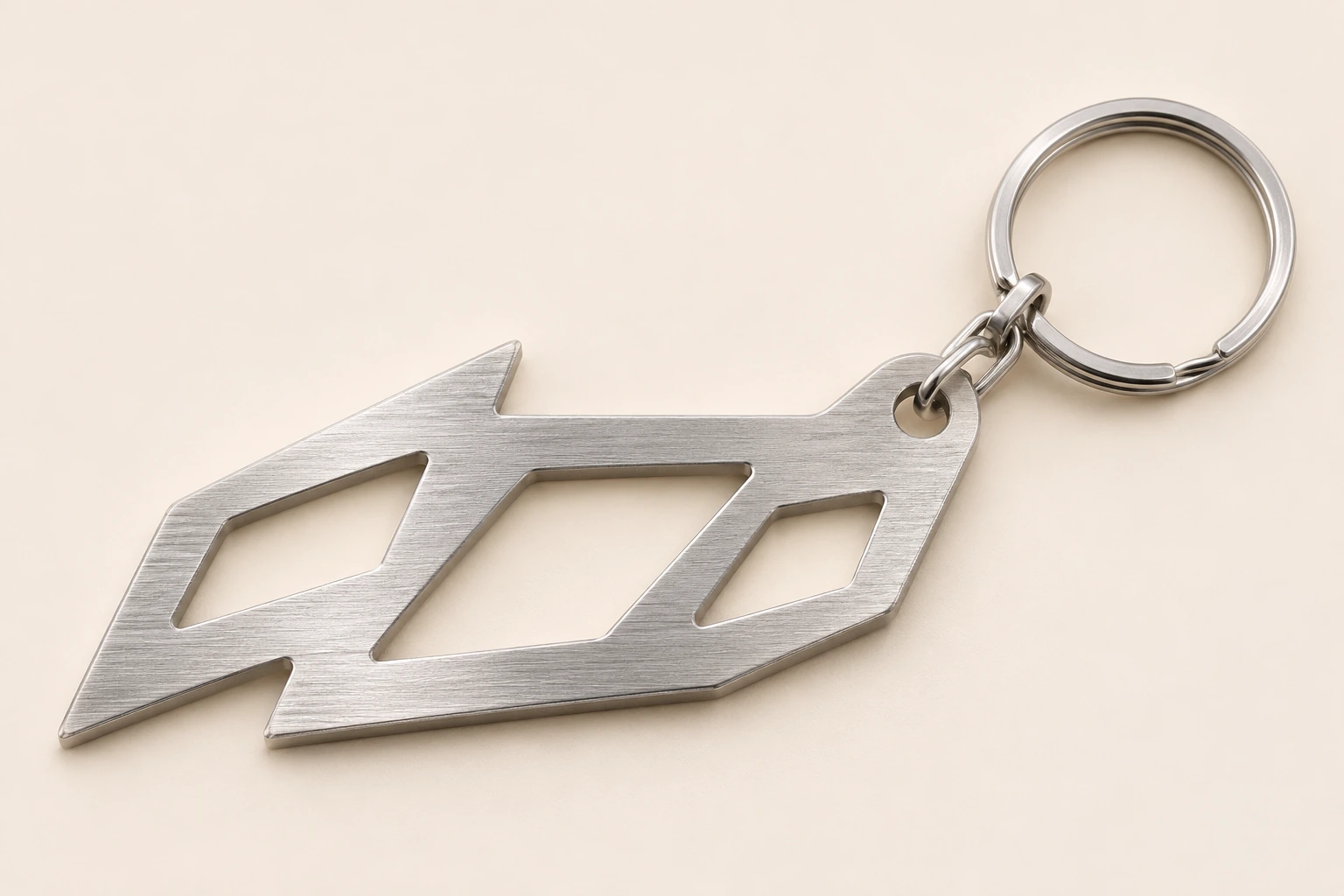

THROUGH-CUT STAINLESS STEEL
Cut-Out Stainless Steel Keychains for Business Orders
Develop cut-out stainless steel keychains as connected metal bodies. Review openings, bridges, edges and the hanging point, then agree the connector, keyring and quantities.
Illustrative custom concept, not a stock item or a customer case. Final specifications are agreed for your project.
02 / STRUCTURE
Keep every retained area connected
Structural item · What the project reference must show
A through-cut design removes material through the sheet, so the openings remain visible from both sides. It is different from an engraved recess, a printed dark area or a decorative outline drawn on a solid plate. The approval reference must show which areas are metal and which are open space.
Every retained part needs a continuous metal connection to the body. Internal islands that appear to float in a graphic need supporting bridges or a revised layout. The hanging point is also part of this connected structure and must be reviewed with the surrounding material, not added after the logo is approved.
Provide the intended scale rather than asking the artwork to be reduced without review. Changes to a bridge, opening or hanging point are construction changes, even if the outer silhouette remains the same.
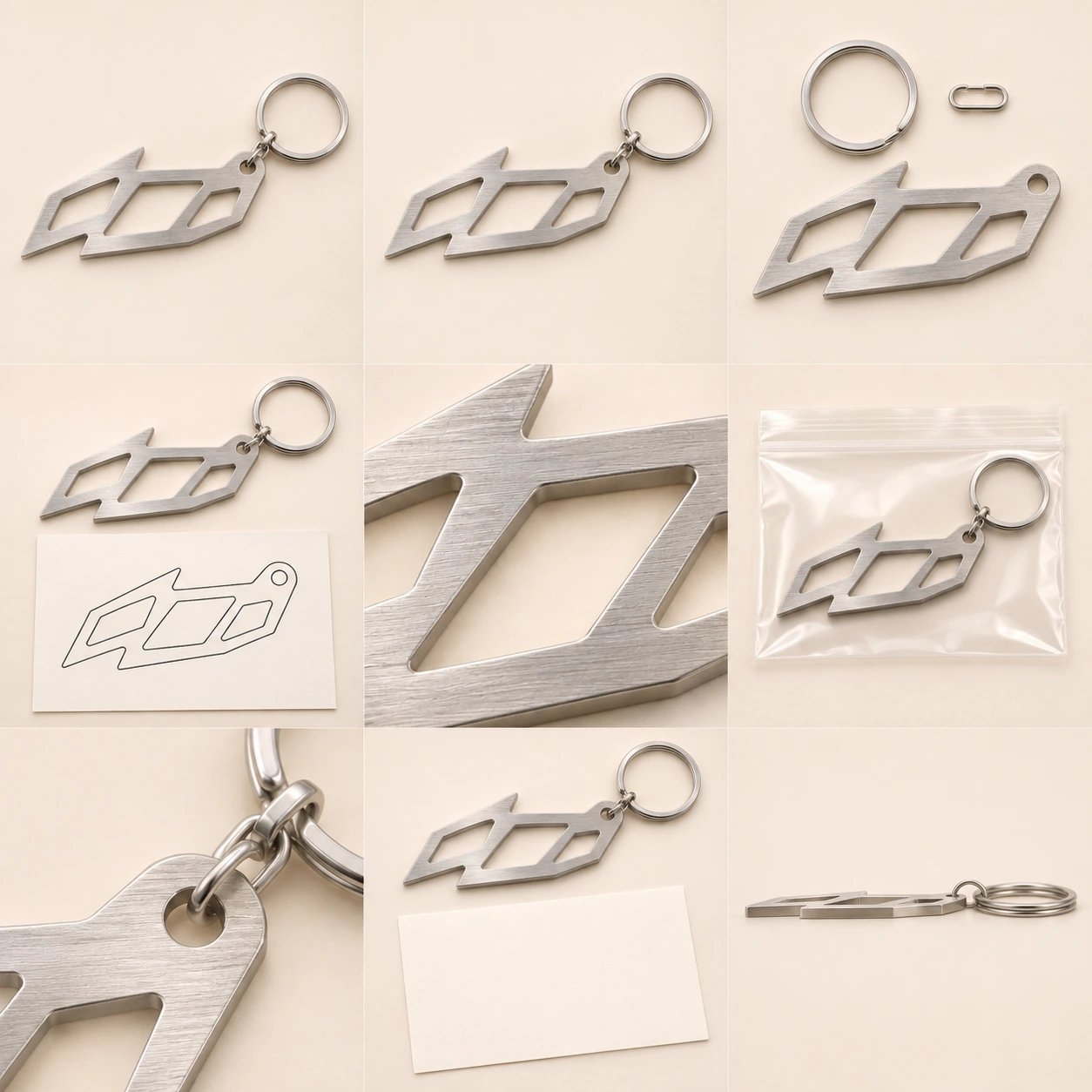
Front
Openings that pass through the full sheet rather than shallow decoration

Structure
Continuous links retaining each intended area of metal
Reverse
Selected components and complete hanging arrangement
Custom concept illustrations. Final specifications are agreed for your project.
Stainless steel sheet · Through-cut construction · Complete keychains
Develop a stainless steel keychain whose identity is created by openings that pass through the metal sheet. The outline, internal negative spaces, supporting bridges and hanging point form one connected body, supplied with the agreed connector and keyring for a business order.
This page is for procurement teams, distributors and brands reviewing a custom metal-sheet construction. The original angular concept uses linked open channels rather than a printed or shallow-marked logo. Agree the manufacturing route, sheet specification, edge treatment and approval scope around the actual layout before the construction is authorised.
Defining construction — genuine through-cut openings with metal bridges retaining the body.
Supplied unit — one connected stainless steel body with its agreed connector and keyring.
Review task — negative-space layout, inner and outer edges, hanging point and assembled form.
03 / ARTWORK
Convert the identity into connected positive and negative areas
Start with authorised artwork and a clear indication of what should remain metal. Distinguish internal cutouts from surface lines, colour areas and optional markings. A shaded presentation alone can conceal whether a feature is an opening or a decorative recess.
Artwork handover
Artwork handover: authorised source file; metal-versus-open-space reference; intended body size; critical identity details; proposed bridges; hanging point; front and reverse surface instructions; quantity by layout; approval contact. Open technical decisions should be marked for review instead of assigned invented minimum widths.
Your artwork, or a direction to develop
Review letter counters, isolated symbols and narrow connecting areas explicitly. The proposal may need bridges or altered proportions to retain the design as one sheet body. Show every change to the identity for approval; do not add an unnoticed link or remove a small element after the artwork is signed off.
Keep the cut-layout record separate from optional surface content. A reverse mark or coloured area does not replace the structural drawing and cannot turn a solid logo plate into this product. If the order has more than one layout, identify each as a separate structural version with its own quantity and revision.
04 / ENAMEL AND METAL
Choose the route around openings, bridges and edges
The required outcome is a connected stainless steel sheet body with genuine through-cut negative spaces. Agree the manufacturing route around the actual openings, bridge layout, sheet specification and intended scale. Include the proposed preparation, finishing and sample arrangements in the project review so the route addresses the same construction your team is approving.
Openings and connected metal
Review the connected stainless steel sheet body, genuine through-cut openings and bridge layout together. Optional marks or colour areas are specified separately and remain distinct from the openings.
Edge and profile review
Review the inner and outer edges, internal corners, bridge connections and hanging point against the same drawing. Agree any physical review or assessment needed for questions that artwork cannot resolve.
Review both inner and outer edges. The perimeter, internal corners, bridge connections and hanging point all belong in the construction discussion. Agree which handling or structural questions need a sample or another assessment and how that review will be carried out. Use an agreed physical reference and review criteria for questions that artwork cannot resolve.
The concept keeps the stainless steel appearance visible so the open geometry remains clear. An optional mark or colour area can be discussed where it suits the selected construction, but it must be specified separately and remain distinct from the openings.
Approval reference: metal-versus-void layout, bridges, sheet specification, complete dimensions, inner and outer edge treatment, hanging point, optional surface content and assembled item. Material grade, thickness, dimensional limits and assessment requirements are confirmed for the project rather than inferred from a supplier label.
METAL FINISH OPTIONS
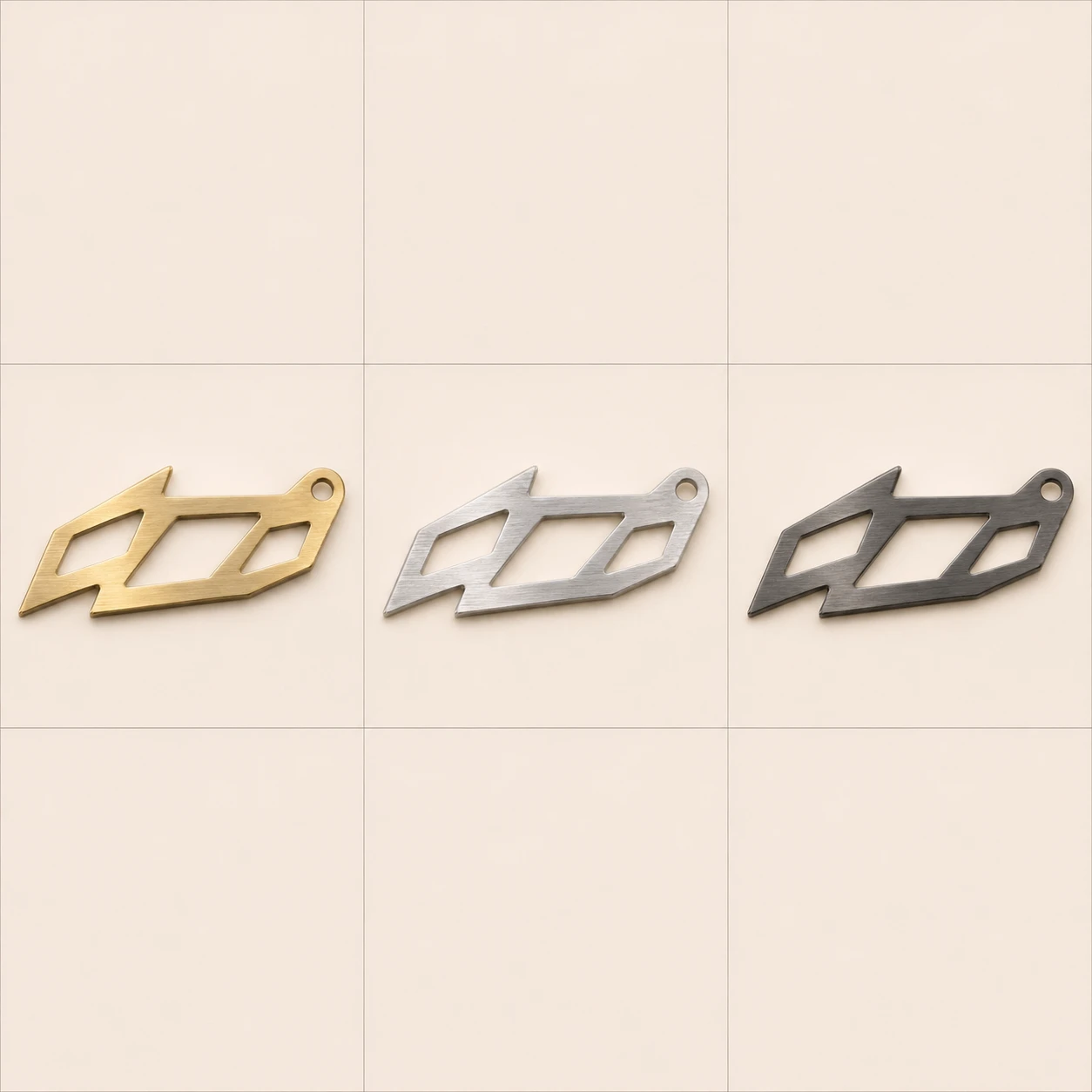
Gold-tone appearance
A warm metal reference. Confirm the actual finish with the artwork and project specification.
Silver-tone appearance
A lighter metal reference for reviewing the visible steel sheet, edge appearance and drawing reference.
Dark metal appearance
A darker metal reference. Its suitability and detailed process are reviewed for the project.
Product-specific illustrated surface and metal-appearance references. Availability, construction, process and final appearance are confirmed for the individual project.
05 / PRESENTATION
Preserve the open geometry in the received item
Approve the complete keychain as well as the loose body. The ring and connector should remain visible in the review, and the packed arrangement should be considered against the actual cutout shape. Discuss how the selected protection and placement will accommodate the body rather than assuming that a generic pouch suits every layout.
SAMPLE AND RECEIVING REVIEW
Keep structural versions separate in the order and packing record. A change to a bridge or opening is not merely a colour variation, even when the two bodies appear similar at a distance. Give the versions clear references and record quantities as complete assemblies.
Agree what digital artwork establishes and which questions require a physical sample or assessment. Review the same construction revision throughout: open spaces, bridges, edges, hanging point, selected components and packed form. Any required handling, fit or structural assessment needs its own agreed scope, not a claim copied from an unrelated steel product.
06 / FACTORY
Connect the work areas to the agreed sheet-body route
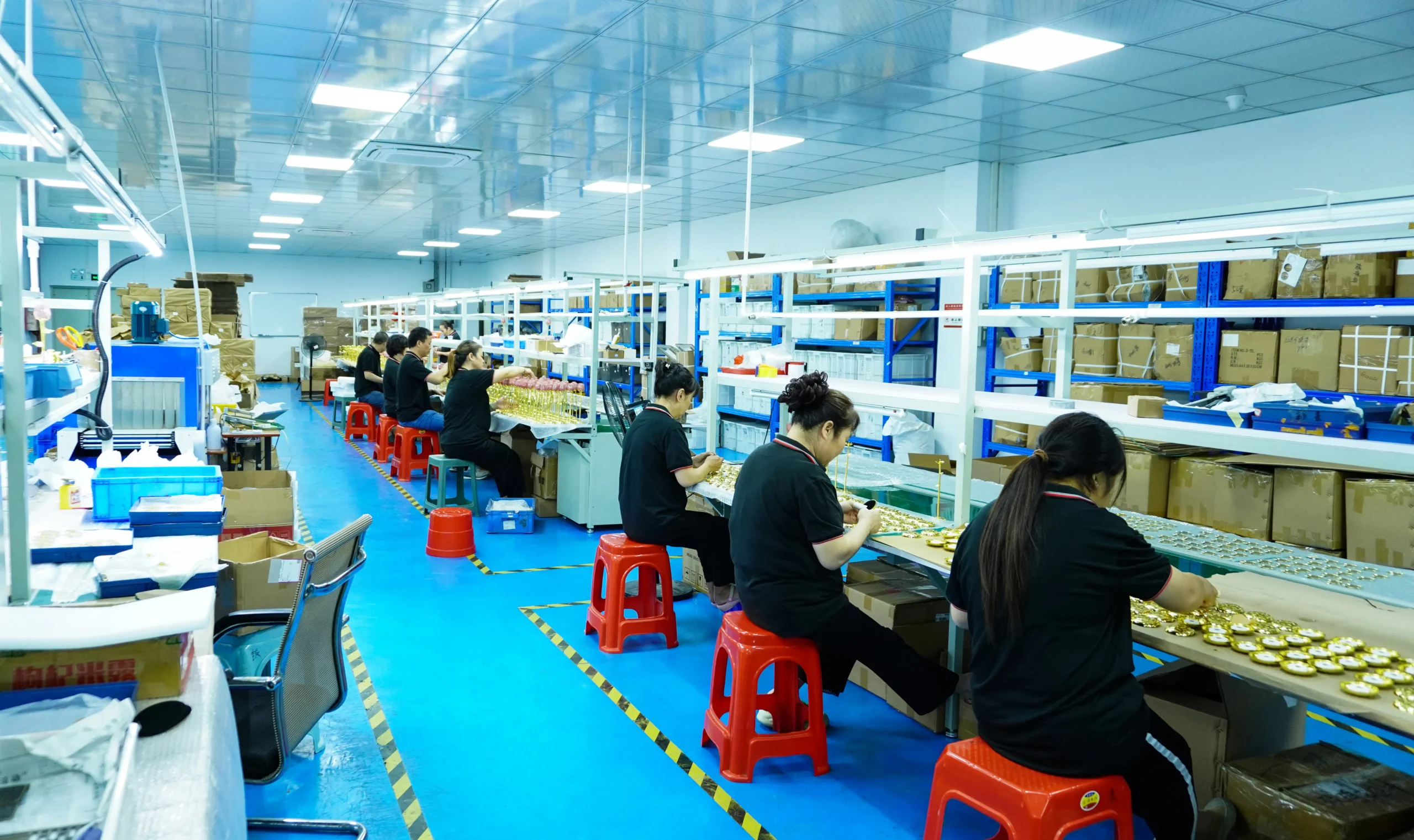
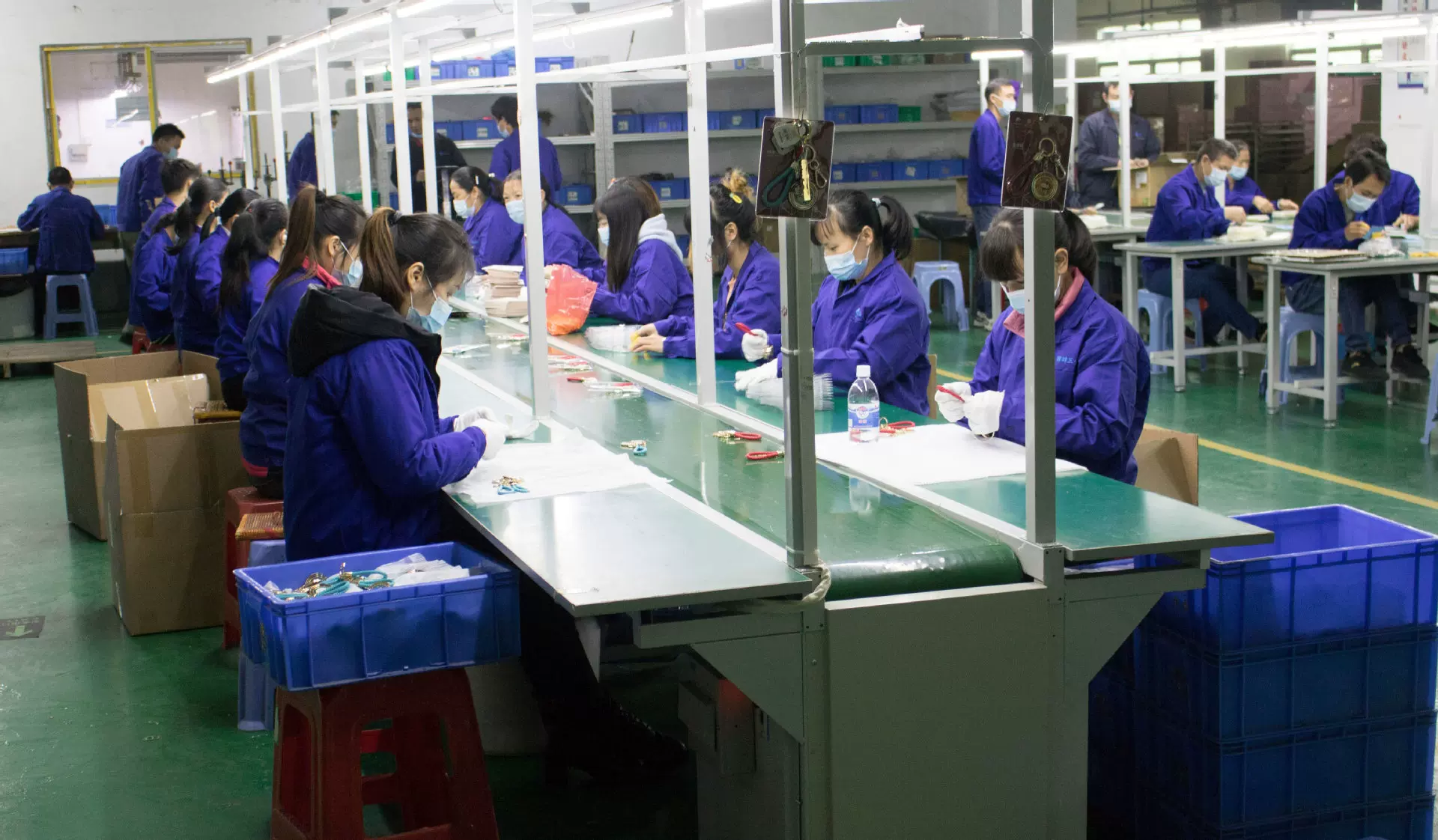
Green Frog Supply’s confirmed in-house manufacturing scope includes tooling, metal forming, colouring, polishing, plating, assembly, inspection and packing. For a cut-out stainless steel project, agree the specific sheet-processing and finishing arrangements against the actual design. The project discussion should identify the relevant preparation, assembly and review responsibilities before production is authorised.
Discuss a factory visit, video walkthrough or project-relevant factory and inspection information. Ask for information that matches the proposed route and distinguish the general work areas from the evidence needed for this specific construction.
Explore Our Factory and Manufacturing.
Work area · Role to define for this project
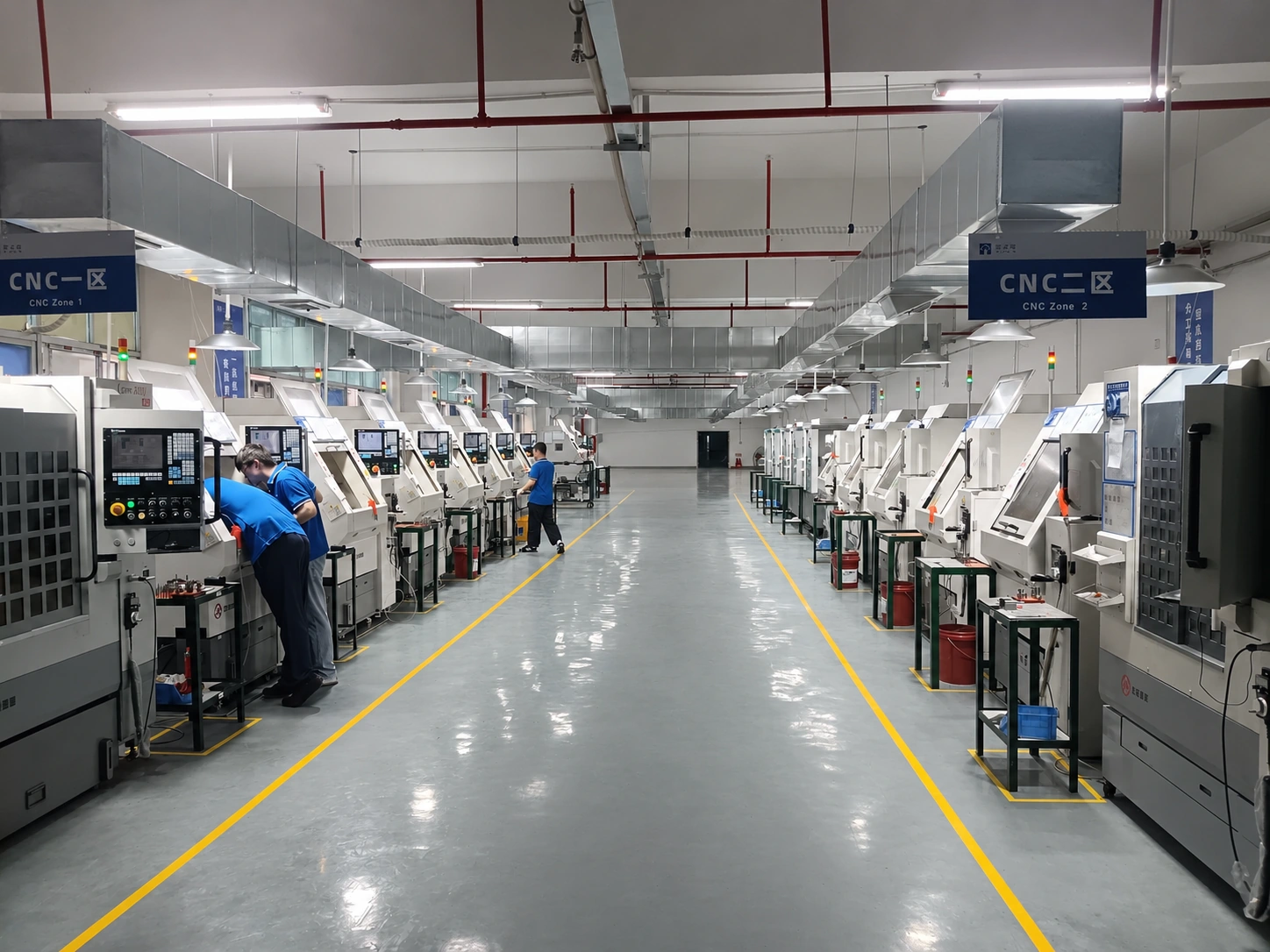
Tooling
Prepare the agreed connected layout and any route-specific preparation
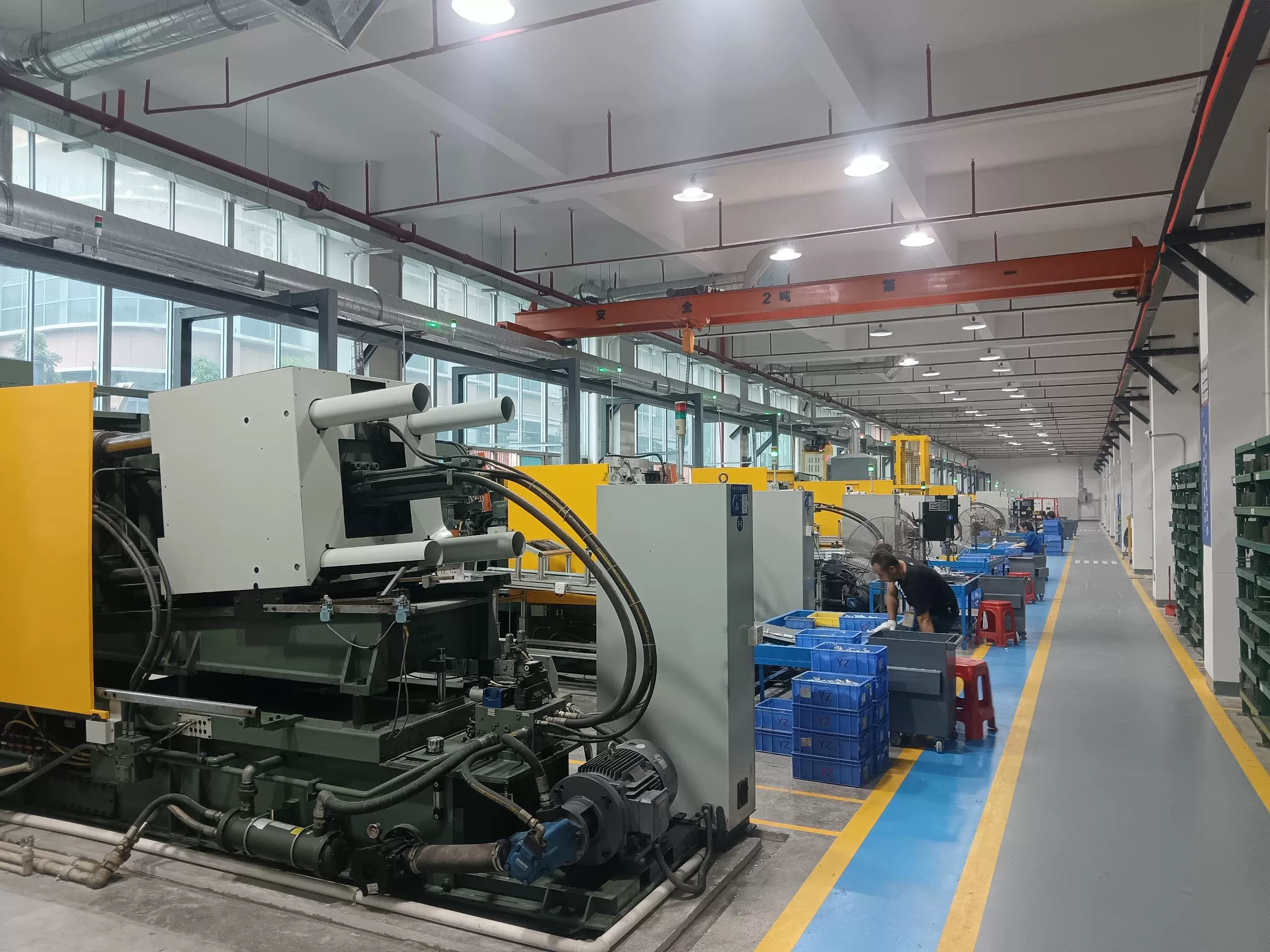
Metal forming
Review the sheet-body preparation required by the selected construction
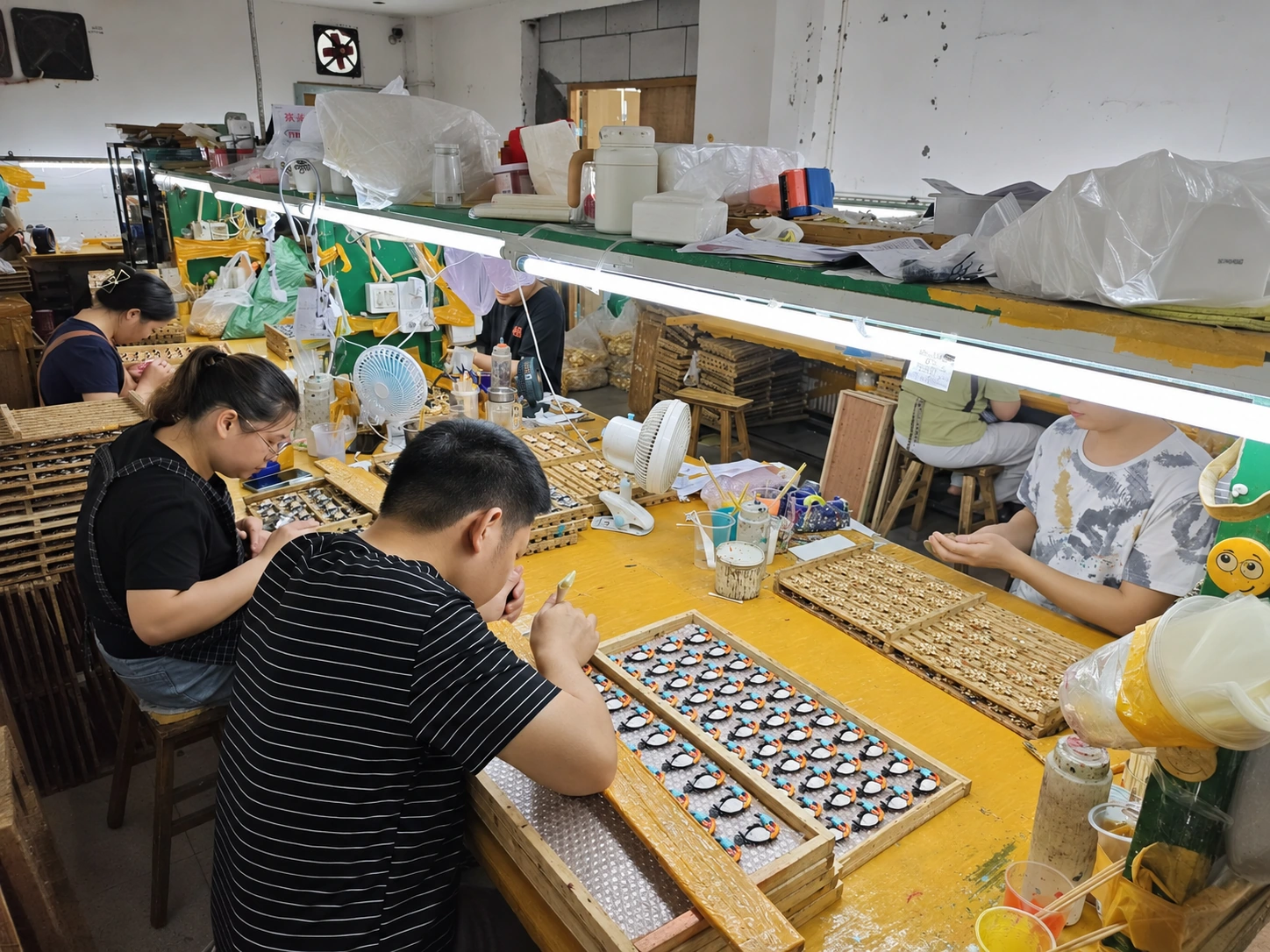
Colouring
Include only separately agreed colour areas; not required for an uncoloured design
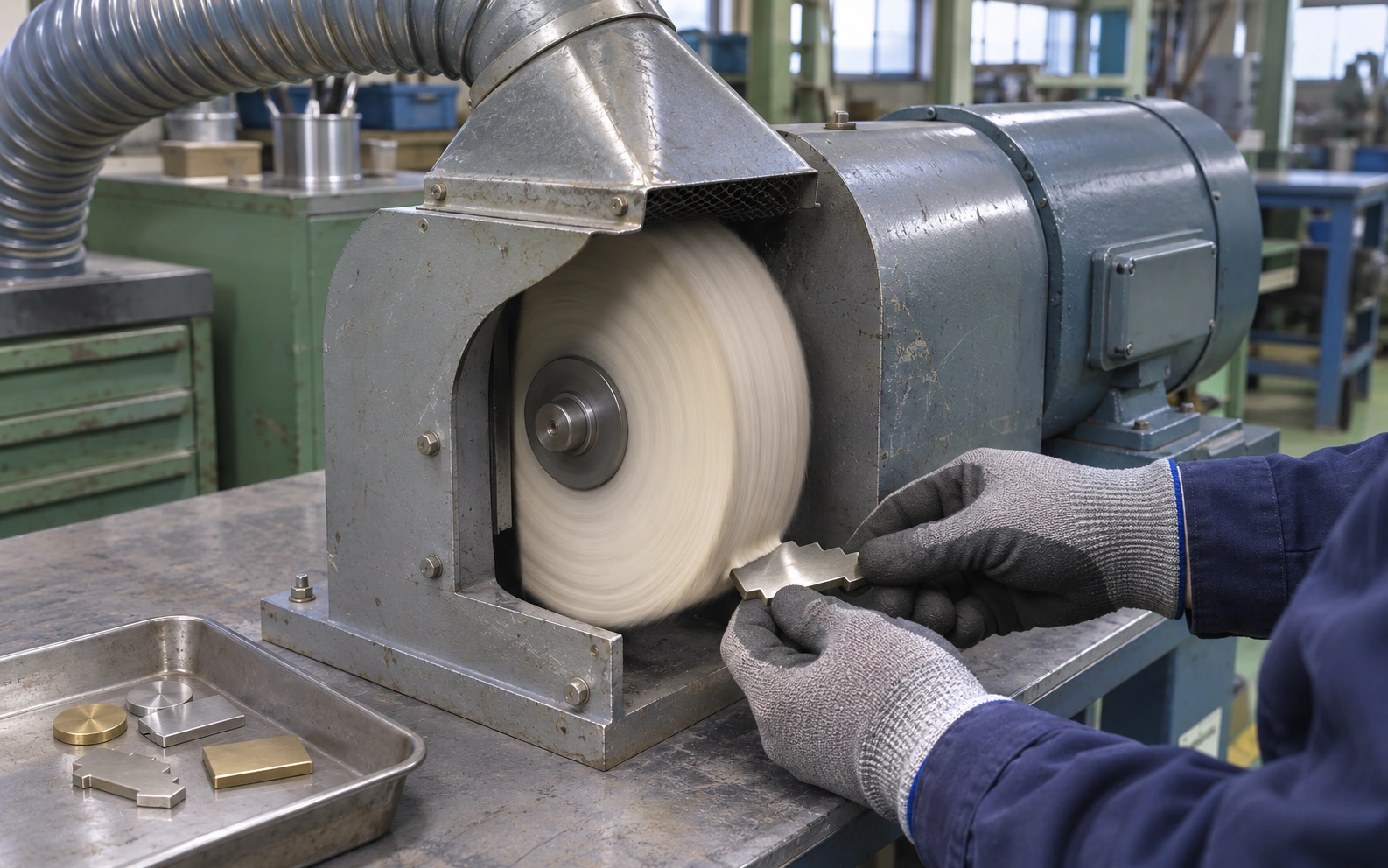
Polishing
Review the requested surface and inner/outer edge treatment

Plating
Include only if a specific surface treatment is agreed; do not assume a plated steel face

Assembly
Join the connected body to the specified connector and keyring
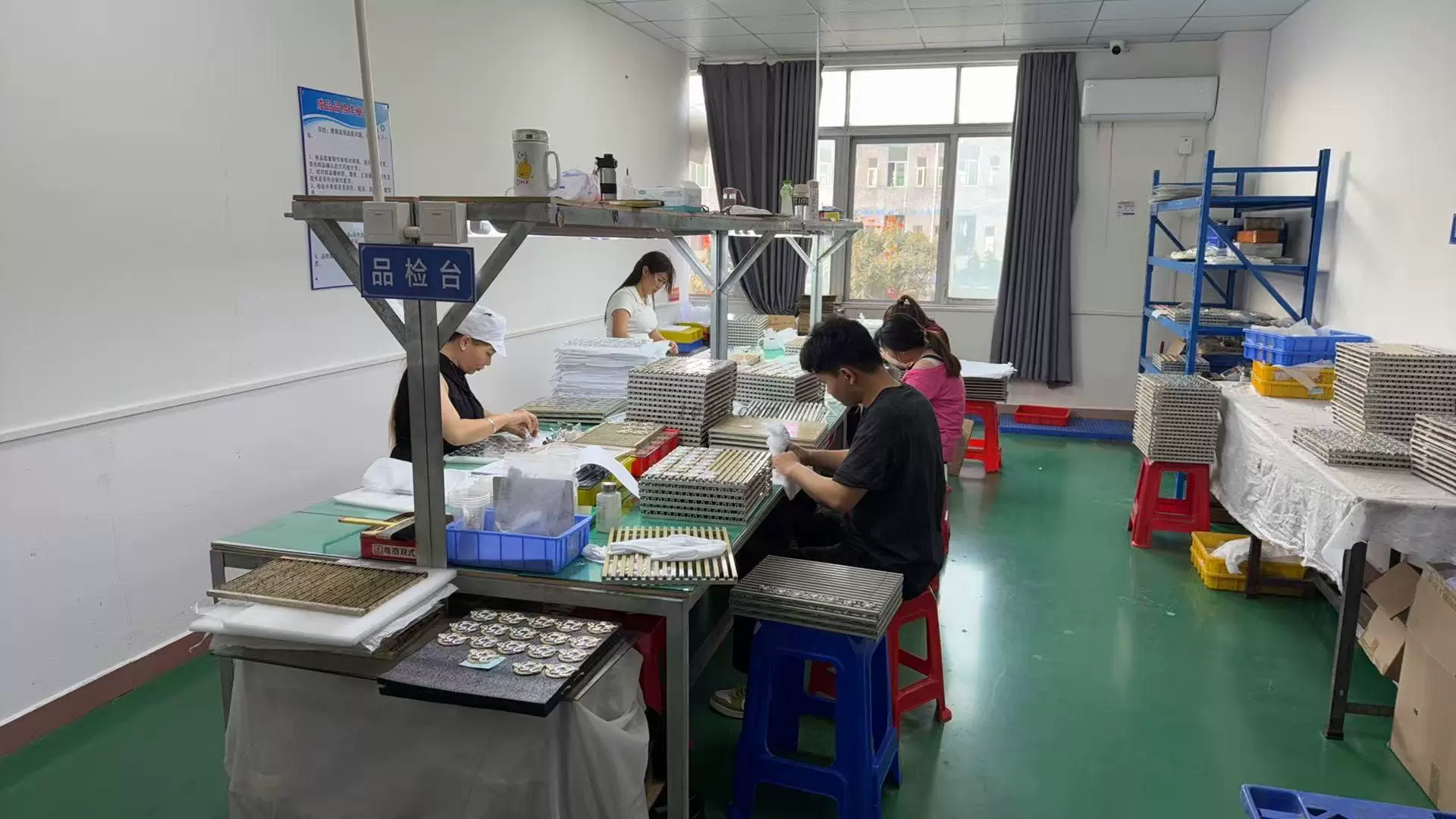
Inspection
Review the approved cut layout, edges and assembled scope under the agreed method
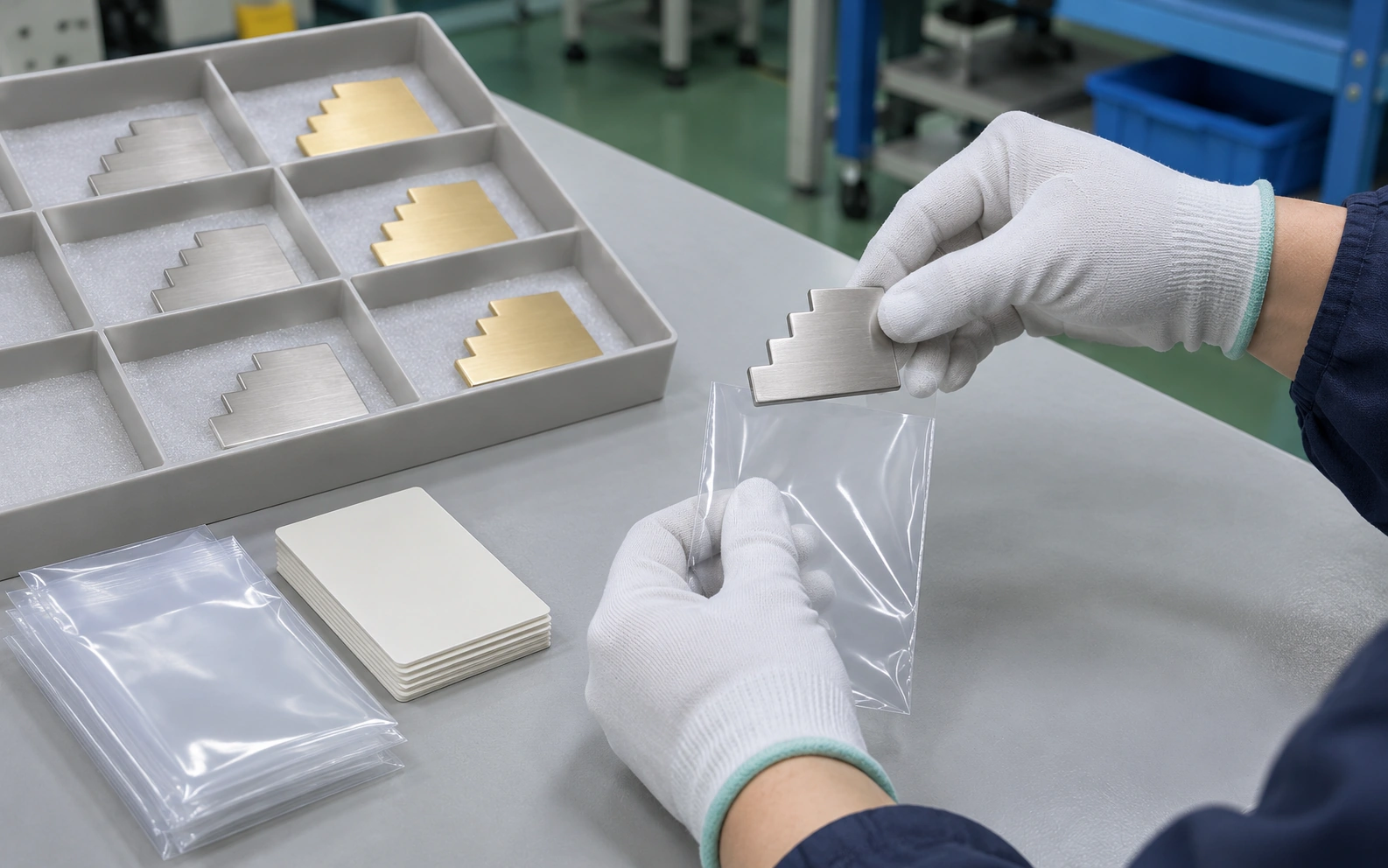
Packing
Protect and identify complete assemblies by structural revision
Company archive photographs show general factory work areas; restored versions are labelled. Polishing, plating and packing remain illustrations. These visuals are not documentary photographs of a production batch.
07 / PRODUCTION
Carry the open construction into the finished assembly
The project defines the actual manufacturing route and sequence. These stages describe the construction records and product states that need to stay consistent.
The selected material, construction and finish determine the manufacturing route, with enamel included where specified. These operations explain our scope; they are not one universal production sequence.
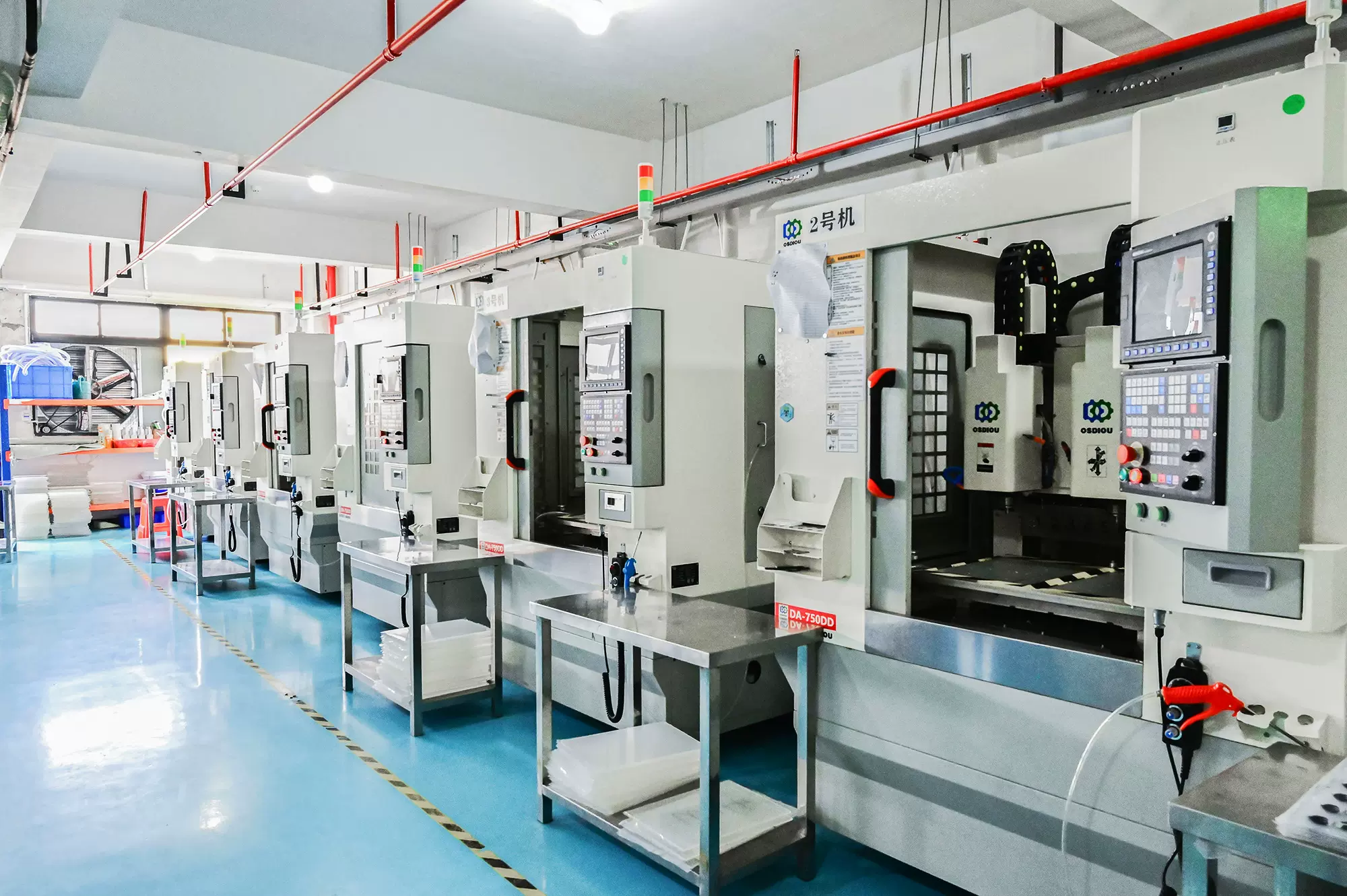
01 / Connected-layout reference
Approve the metal and void areas, bridges, outline and hanging point in one revision. Establish the proposed sheet specification and the manufacturing and review arrangements still requiring agreement.
02 / Sheet-body preparation
Produce the specified through-cut body using the project-agreed route. Retain the connected areas shown in the approved layout; a shallow surface mark is not a substitute for an opening.
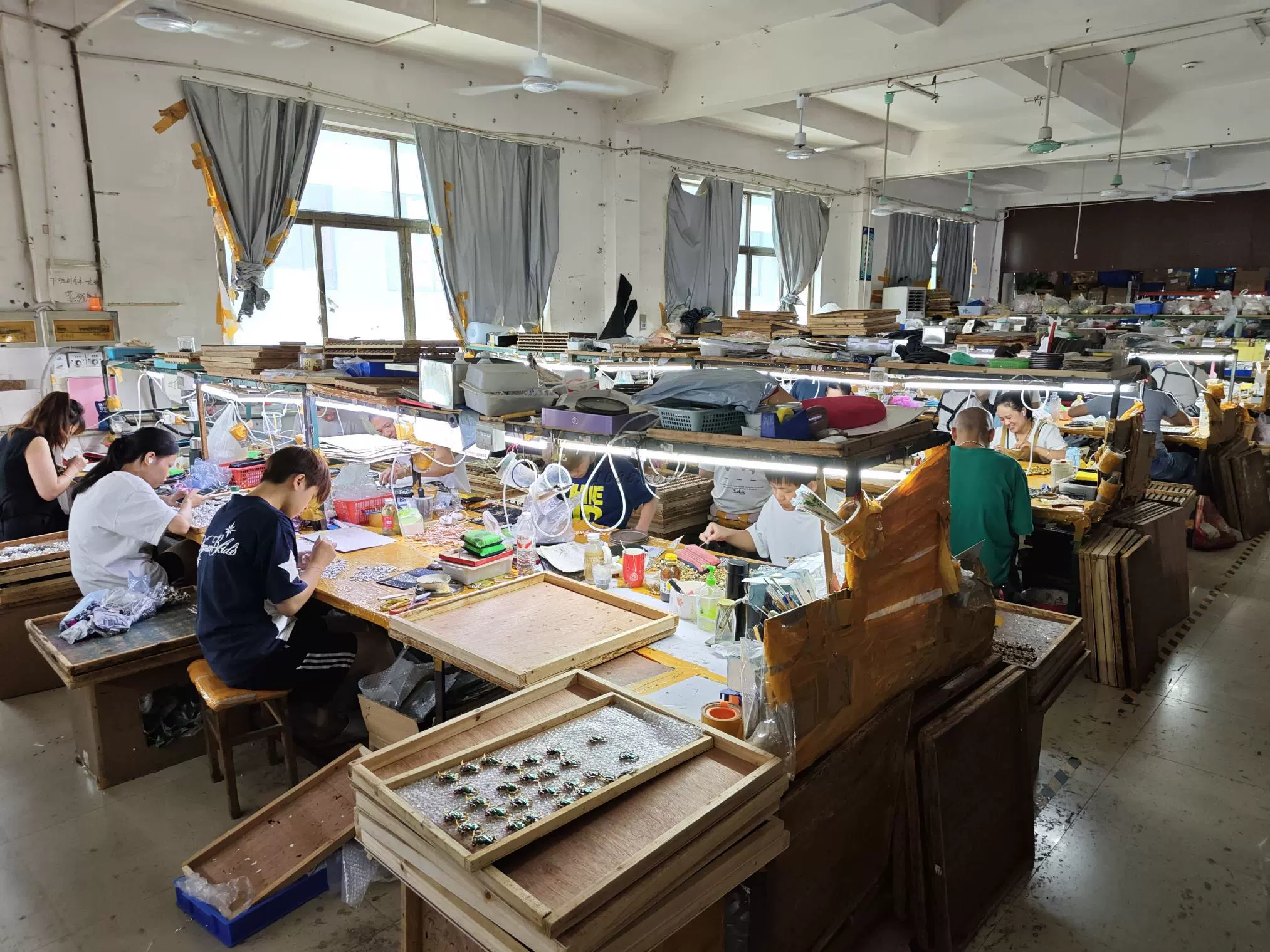
03 / Edge and surface work
Apply the agreed inner-edge, outer-edge and surface treatment in the appropriate sequence. Include optional colour or markings only where they are part of the approved specification.
04 / Polishing
Refine the relevant surfaces according to the selected construction and agreed finish. Where enamel is specified, the soft or hard enamel route is reviewed for the design.
05 / Plating
Review the specified metal treatment with the agreed appearance reference. Where enamel is specified, assess it with the selected colours. The construction and finish determine the detailed route.
06 / Keychain assembly
Fit the selected connector and ring to the agreed hanging point. Review the complete arrangement with the cutout body rather than substituting a solid plate for an assembly photograph.
07 / Reference-based inspection
Review the cut layout, retained bridges, edge treatment, surface and complete unit against the agreed record. Carry out only the specifically agreed assessment and reporting scope without implying an unprovided rating.
08 / Protection and packing
Pack the bodies as complete assemblies in the reviewed arrangement. Keep structural versions and quantities identified so receiving can match the order to the correct drawing revision.
Process order and review points are confirmed for the chosen specification. Company archive photographs show general work areas; polishing, plating and packing use illustrations. These references do not document this particular product being manufactured.
08 / COOPERATION
Resolve structural changes before approving appearance

01 · Share the intended business item
Provide the authorised identity, quantity, destination and requested timing. Explain why the project requires open negative spaces rather than a solid marked logo body.

02 · Define the connected layout
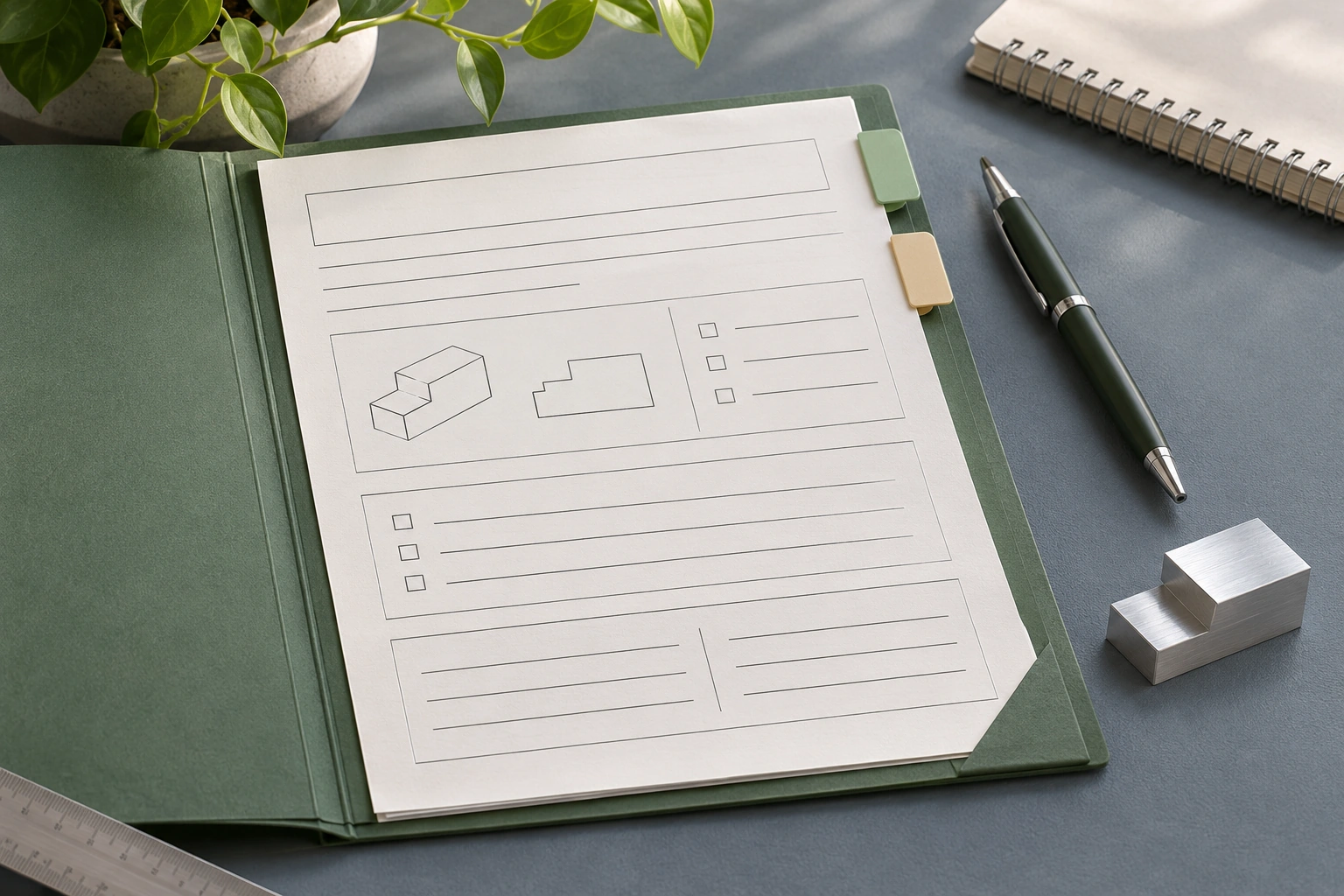
Review what remains metal, what becomes an opening and how internal areas connect. Identify the proposed body size, hanging point and components along with unresolved construction questions.

03 · Review the route and proposal
Compare the actual layout with the proposed manufacturing and finishing arrangements. Any bridge or opening change should be visible in the revision and returned to the authorised identity approver.
04 · Agree sample and assessment scope
Record which features the physical reference must represent and any specific handling or structural review needed. Confirm charges, changes and the person authorised to approve before production is released.

05 · Confirm order and packed form
Agree quantities by structural version, commercial conditions and schedule for the actual project. Approve the protection, identification and receiving reference with the construction record.
06 · Coordinate receiving and later changes
Confirm delivery arrangements and retain the approved layout and sample references. Treat a later resized body or altered bridge as a revised construction requiring review, not an automatic repeat.
09 / FAQ
Questions about through-cut stainless steel bodies
What makes this a cut-out keychain rather than a marked steel tag?
The negative spaces pass through the sheet and are open from front to reverse. The retained metal stays connected through bridges and the surrounding body. A dark printed shape, shallow engraving or recessed decoration on an otherwise solid plate does not meet this construction brief. The artwork and approval reference must distinguish metal, open space and optional surface content.
Why might our artwork need additional bridges?
Some graphic shapes contain isolated areas that would separate from the body if all surrounding material were removed. A bridge provides a retained metal connection, or the layout may need another revision. Identify these changes explicitly and approve their effect on the authorised identity. The required dimensions and suitability of those links are project questions; this page gives no universal minimum bridge width.
Can the body simply be made smaller after approval?
A scale change also changes the openings, bridges, edge relationships and space around the hanging point. It should be reviewed as a construction revision rather than a print-size adjustment. State the intended body size and any overall-size constraint early. The appropriate drawing, sample and assessment arrangements need to match the actual dimensions your team intends to order.
Which stainless steel grade and sheet thickness should we specify?
Provide an existing specification if your procurement process requires one, or identify the choice as open for project review. The design, proposed route and approval requirements must be considered together. Record the grade and thickness in the approved specification when they are required. Agree any supporting material documentation explicitly for the actual order, together with the reference used for approval.
How is the manufacturing route agreed?
Review the proposed layout, sheet specification, scale, internal openings and edge requirements together. The project proposal should identify the route and arrangements suited to that construction, with a physical sample or other assessment where needed. Agree the relevant preparation and review responsibilities before authorisation, so artwork approval and manufacturing approval refer to the same connected body rather than different assumptions.
What needs review around the inner edges?
Include the internal boundaries, corners, bridge junctions and hanging-point area alongside the outer perimeter. Agree the intended edge treatment and which handling or structural questions require a sample or assessment. Use the approved physical reference and agreed criteria to review those features. Record the assessment scope and any outstanding changes so the edge questions are addressed before production is authorised.
Can the stainless steel body carry colour or additional marks?
Discuss optional content separately from the through-cut layout. The proposed surface route, location and appearance need review against the construction, while the open spaces must remain genuinely open. A coloured or shallow-marked logo on solid steel would be a different product brief. Identify front and reverse instructions clearly and confirm any sample used to approve the combination.
Is a connector or keyring change just a small accessory change?
The selected components and hanging point form the complete item, so a change can affect the arrangement being approved. Identify the new connector or ring reference and review it with the body, especially near open spaces and bridges. Any specific movement, fit or handling requirement must be agreed for the project. Agree the intended fit or handling reference and any assessment needed for that combination.
Can one order contain several cutout layouts?
List each structural layout with its own drawing revision and complete-item quantity. Keep shared material, surface and component choices separate from changes to openings, bridges or outline. Agree the sample and approval scope for the combination, along with packing identification. Pricing, production arrangements and any preparation implications are project-specific rather than assumed identical across the versions.
What should we send for an initial quotation discussion?
Provide authorised artwork, a metal-versus-void sketch, intended body size, quantity by layout, proposed hanging point and any required material specification. Add surface preferences, component reference, packing, destination and requested timing. Mark open choices and special assessment requirements. MOQ, price, sample arrangements, production schedule and delivery are discussed for the actual construction for the requested project.
10 / ARTICLES
Cut-out metal keychain procurement notes
Relevant published guidance can help your team review connected layouts, structural revisions and complete-unit approval records. Matching articles appear here when a real published guide addresses this construction task.
11 / RELATED PRODUCTS
Compare open construction with other product forms
The material name alone does not define the buying task. Compare the structure and supplied item before choosing the next discussion.
Logo enamel keychains
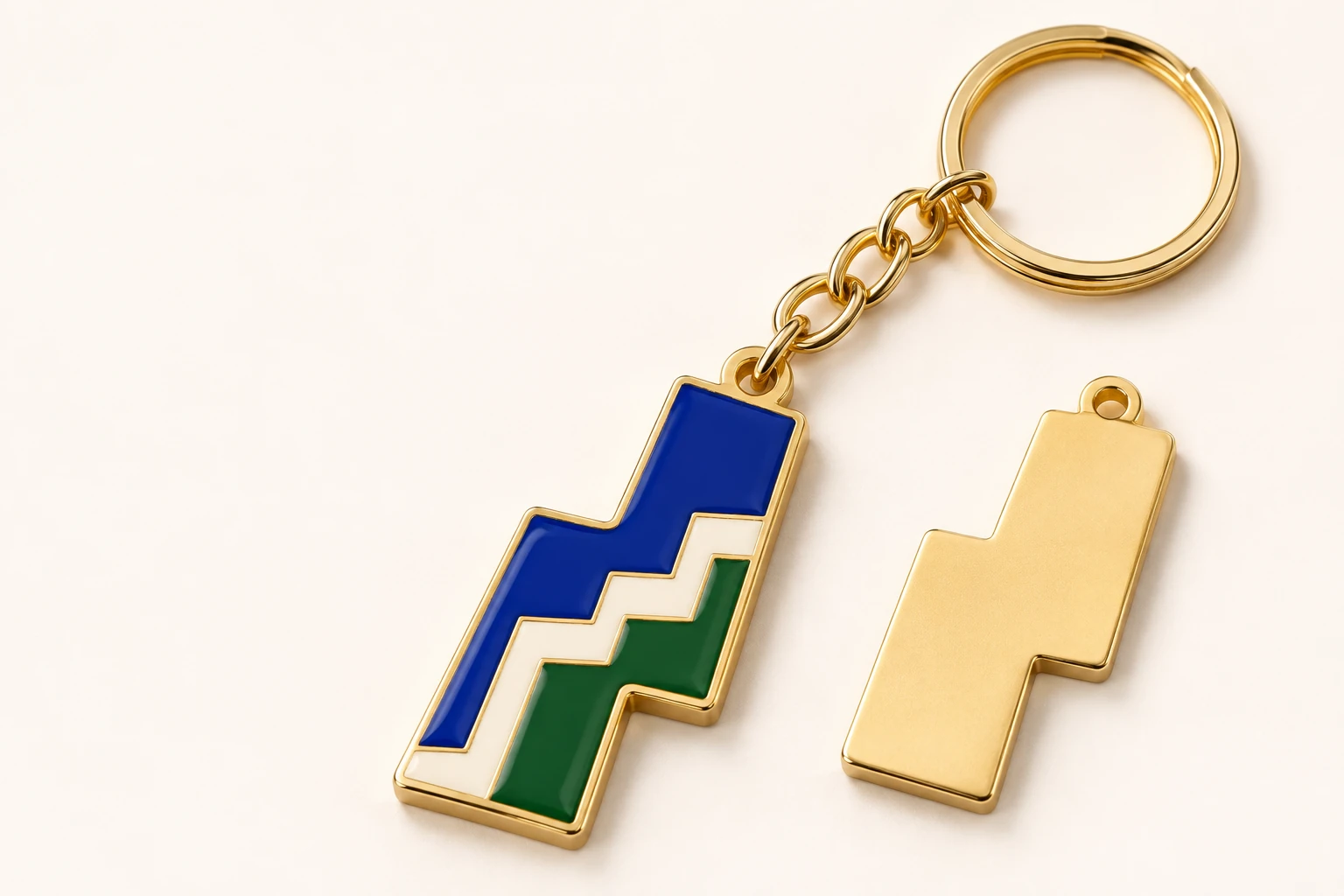
Discuss a solid decorative body when enamel colour areas carry the identity and open negative spaces are unnecessary.

Decorative zipper-pull components
Consider a component enquiry when your team needs a metal pull for downstream assembly rather than a complete keyring product.

Company logo pins
Choose a wearable identity piece when clothing attachment is the required function and the product does not need a keyring.
12 / ENQUIRY
Send the connected layout with your business requirements
Show which areas of the proposed body should remain metal and which must be open through the sheet. Include the authorised artwork and explain which identity details cannot change. Tell us the intended quantity and scale, with unresolved choices marked for discussion.
The appropriate route, sheet specification, edge treatment, components and approval scope require review for the actual layout. Share the destination and requested timing so quotation, sampling and delivery discussions relate to the same project. Identify any required bridge, edge or material criterion so it can be addressed in the construction review.
- Quantity by structural layout and drawing revision.
- Authorised identity and metal-versus-void reference.
- Intended body dimensions and overall-size constraints.
- Proposed bridges, internal openings and hanging point.
- Any required material grade, thickness or documentation.
- Inner/outer edge, surface and optional marking requirements.
- Connector, ring, packing and version identification.
- Sample or assessment needs, destination, timing and approval contact.
Email the connected cutout drawing and artwork to [email protected]. Identify the latest revision and any details still open for review. Review the enquiry privacy notice before sending your business contact and project information.
PROJECT BRIEF
Cut-Out Stainless Steel Keychains for Business Orders