

CUSTOM ENAMEL MANUFACTURING
Ranking Medals for Competition Organisers
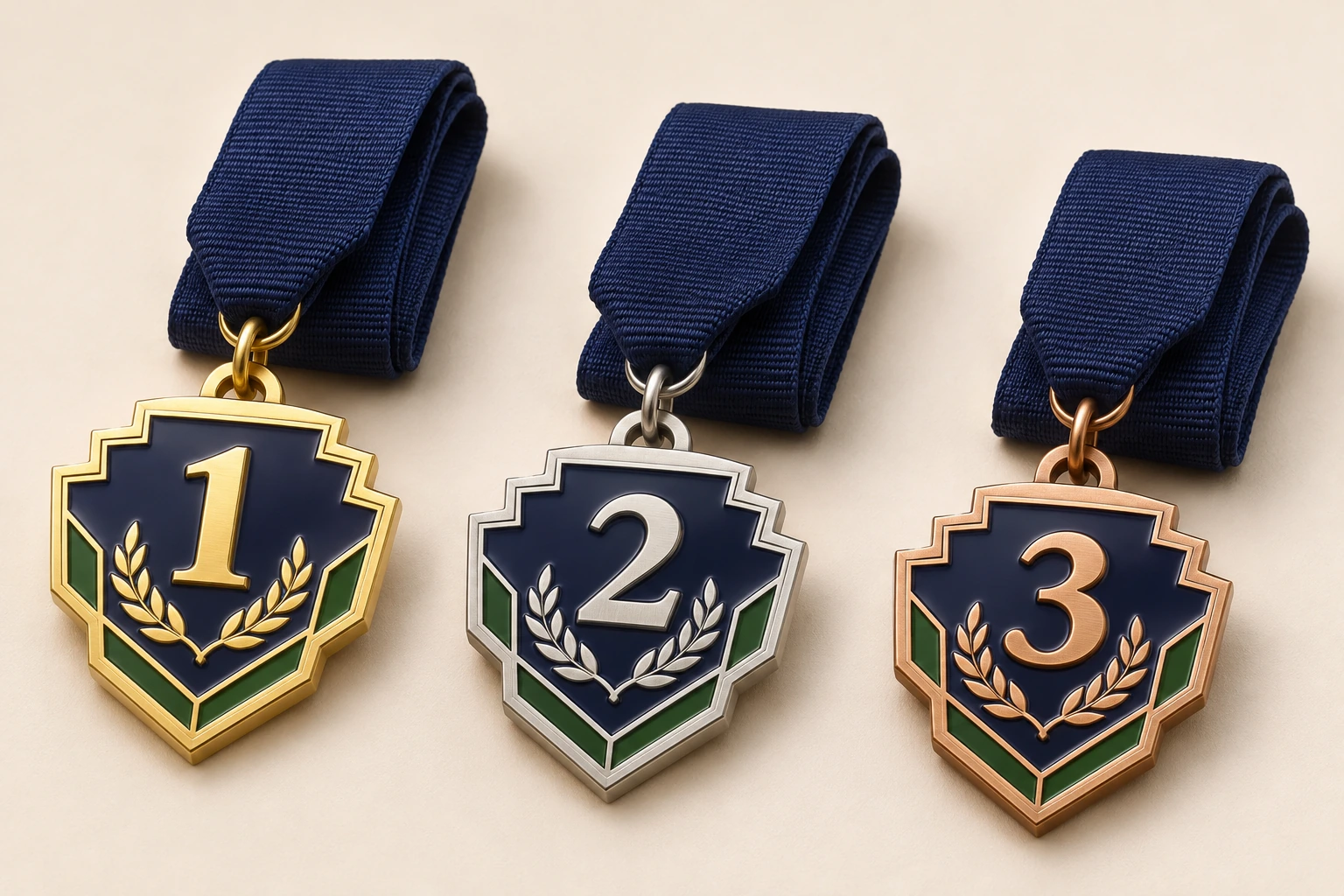
Plan competition medals as an award family. Define shared artwork, ranking titles and group details, with piece counts by version, agreed ribbons and receiving groups.
Illustrative custom concept, not a stock item or a customer case. Final specifications are agreed for your project.
02 / STRUCTURE
Start with a rank and group matrix
Review point · Record for the award family
Use one matrix to connect the competition structure to the physical medals. Each row should identify the award version and the medal pieces required. A gold appearance alone does not establish first place: the agreed text or another explicit reference should distinguish the rank.
The illustrative family shares an angular outline and graphic framework, while rank wording and metal appearance vary. Discuss whether any division needs different wording, ribbon or reverse information. More variants are not automatically covered by the approval of the first specimen.
If the same medal serves several divisions without physical changes, keep the product version and the packing group distinct. A receiving label can organise allocation without creating another manufactured version.
Front
Exact place wording and the graphic areas that change
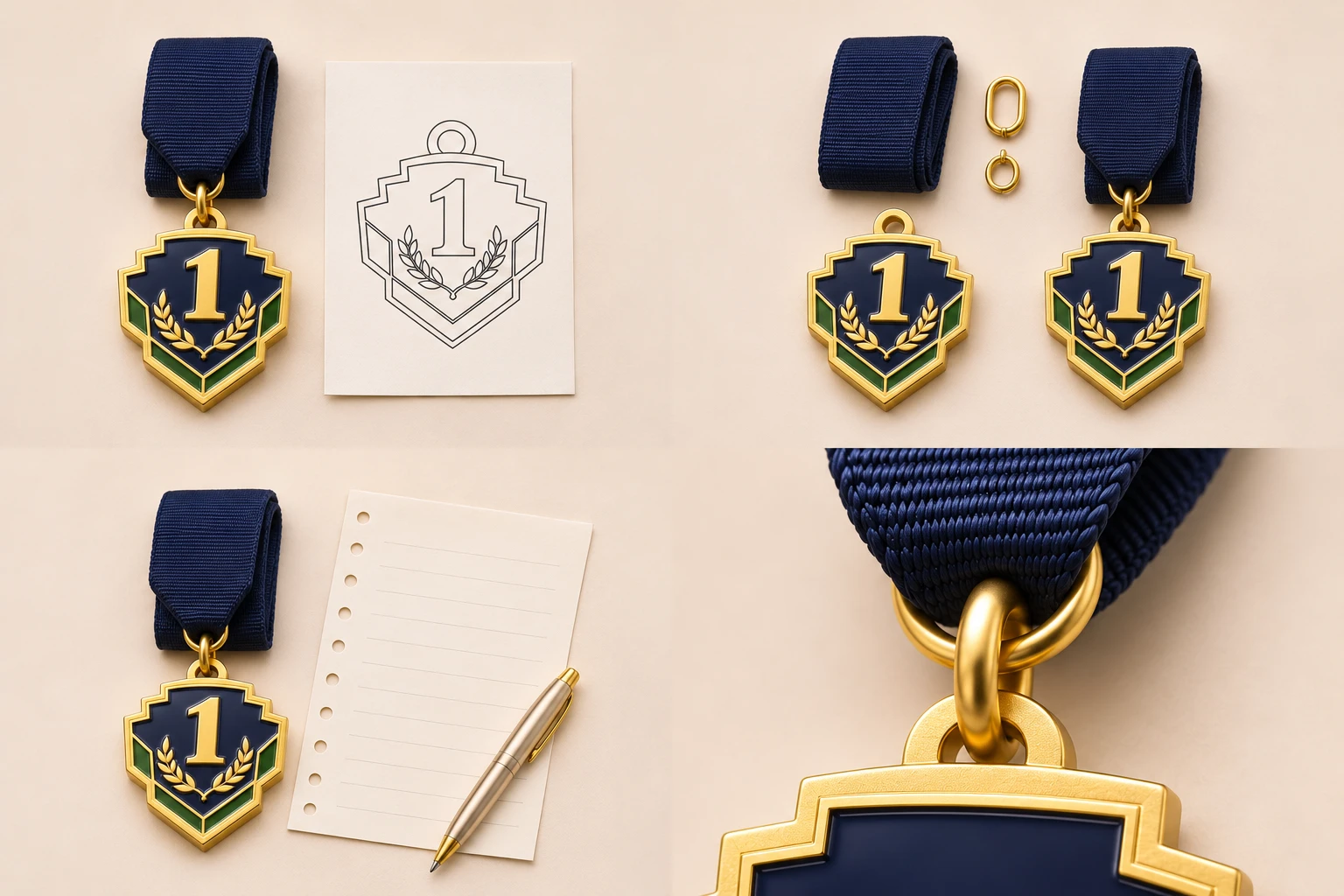
Structure
Common outline, dimensions to discuss and hanging point
Reverse
Shared or different references and front-facing orientation
Custom concept illustrations. Final specifications are agreed for your project.
Organiser procurement · Ranked versions · Metal and enamel
Plan wholesale competition medals as one coordinated award family, with clear distinctions between places and competition groups. Your organiser's brief defines the ranking titles, shared design, changing details and medal pieces needed for each award position. The complete supply arrangement includes the metal body, agreed hanging connection, ribbon and packing.
A series is a design relationship, not an assumed three-piece selling unit. An organiser may need different quantities of first, second and third place medals across divisions. Establish that allocation before reviewing finishes, so the manufacturing and receiving records describe the same award programme.
Supply brief — coordinated metal medal family; authorised ranking and group references; individual medal counts by version; agreed ribbon assembly and receiving groups.
03 / ARTWORK
Separate the common design from award variables
Provide an authorised master design and identify the fields permitted to change. Place titles, competition category, event identity and reverse information need exact wording. Keep each artwork file tied to its row in the quantity matrix rather than relying on file names such as “gold final.”
Artwork handover
Artwork handover: authorised event or organisation identity; common front and reverse design; exact rank titles; changing fields; colour and metal references; ribbon artwork; version codes; quantities; approving contact.
Your artwork, or a direction to develop
Review the complete family side by side. Shared metal boundaries should still support readable wording in the longest rank or category reference. If a change affects the body, relief or tooling rather than just the agreed surface treatment, record it as a structural difference for review.
04 / ENAMEL AND METAL
Coordinate the family without hiding the rank
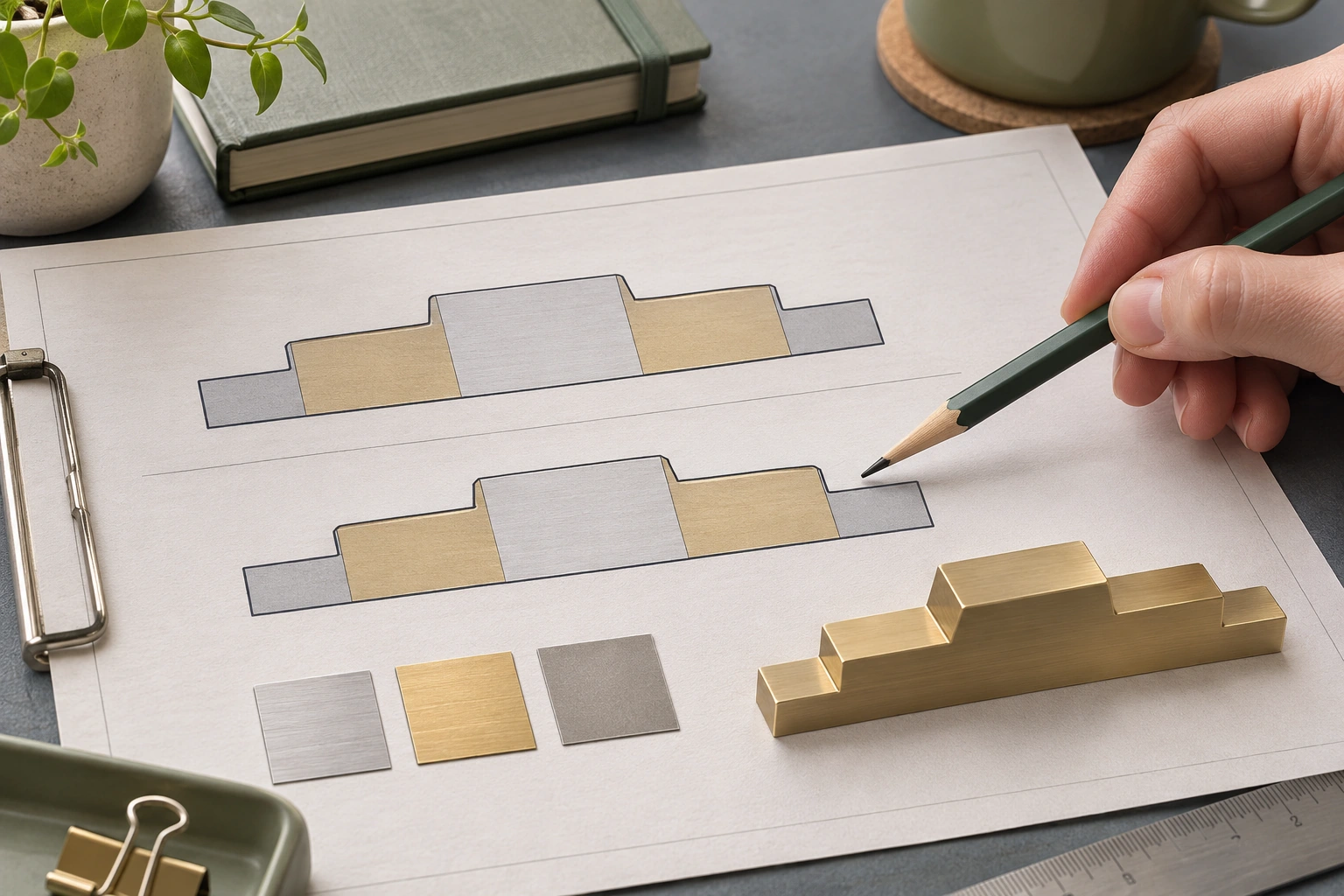
The design can use a shared metal outline with rank-specific wording and selected metal appearances. Review contrast across the whole family: a title that reads clearly in one finish may need a different treatment in another. Finishes are design decisions, not evidence of medal composition or a performance rating.

Soft enamel
Recessed colour areas and raised metal lines. This product’s process illustration explains the surface; the product specification is reviewed for the individual artwork.
Hard enamel
A polished face brings colour and metal into a flatter appearance. This product’s process illustration is a comparison, not a fixed specification for this product.
Soft enamel has recessed colour areas between raised metal boundaries. Hard enamel is polished for a flush face appearance. Discuss the route against the shared artwork and the distinctions each ranked version must retain. Review lettering, boundaries, reverse, edges and hanging connection together; narrow details may require artwork changes.
METAL FINISH OPTIONS
Gold-tone appearance
A warm metal reference. Confirm the actual finish with the artwork and project specification.
Silver-tone appearance
A lighter metal reference for assessing contrast alongside the selected enamel colours.
Dark metal appearance
A darker metal reference. Its suitability and detailed process are reviewed for the project.
Product-specific illustrated surface and metal-appearance references. Availability, construction, process and final appearance are confirmed for the individual project.
05 / PRESENTATION
Count medals before grouping awards
Define the order in individual medal pieces, then identify the receiving groups that make sense for your award desk. A competition group may contain one medal of each rank, repeated awards, or another allocation. State it explicitly rather than assuming every group is a retail three-medal set.
SAMPLE AND RECEIVING REVIEW
Review representative versions and the agreed coverage of the family. Check shared geometry alongside changed rank wording, finish, ribbon and reverse information. A sample of first place does not by itself confirm the appearance of every other version or the allocation of the complete order.
06 / FACTORY
Keep every ranked version tied to its reference
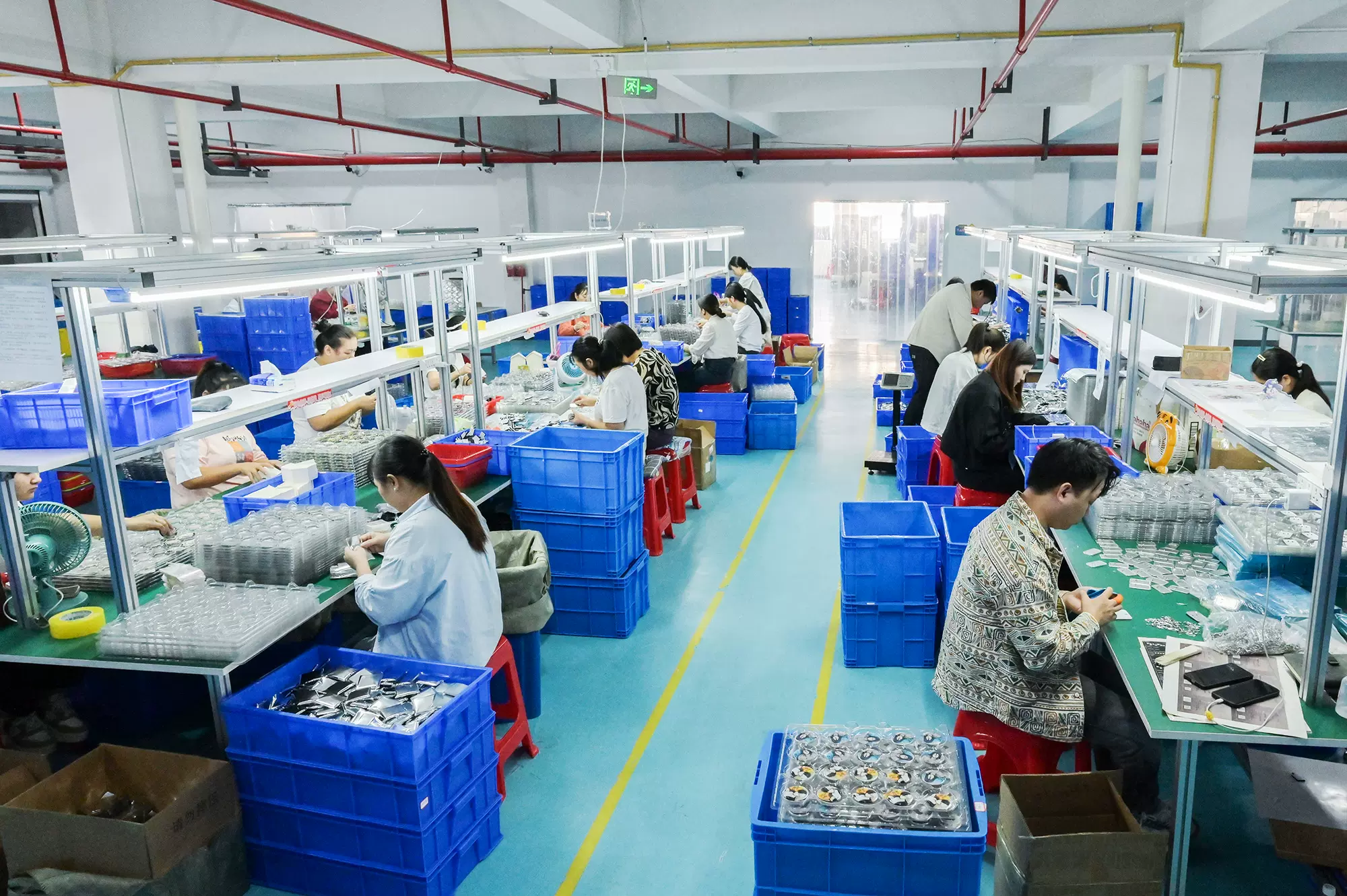
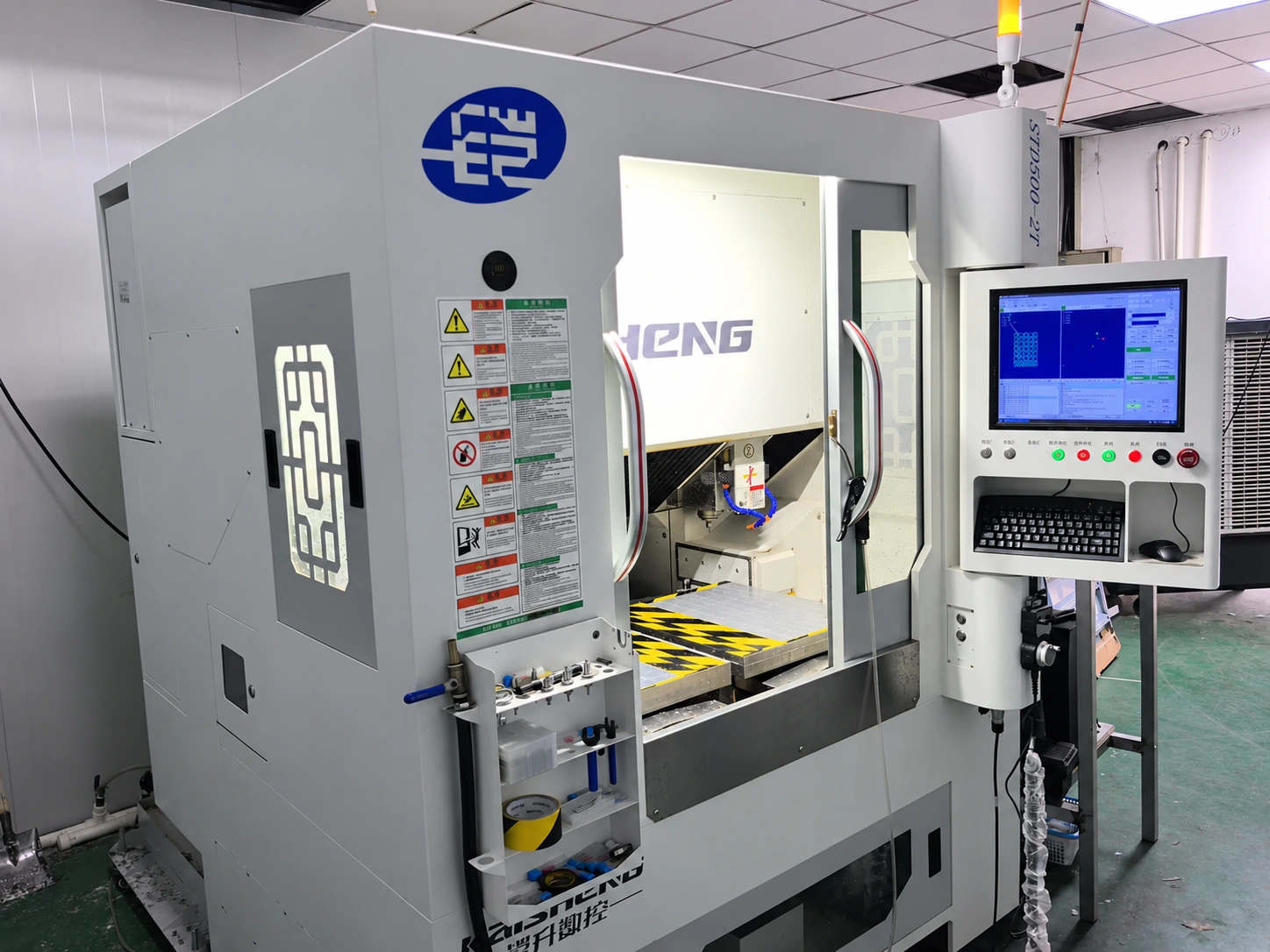
Green Frog Supply is operated by HANGZHOU FORTHRIGHT TRADE CO., LTD in Hangzhou, China. Tooling, metal forming, enamel colouring, polishing, electroplating, assembly, inspection and packing are confirmed work areas in our own factory.
The factory discussion can follow the rank matrix through those work areas. Ribbon weaving and the manufacture of every purchased component are not established by this scope. We can discuss a factory visit, a video walkthrough and project-relevant factory or inspection information.
Work area · Relevance to this award series
Tooling
Review the common body and any rank-specific metal detail.
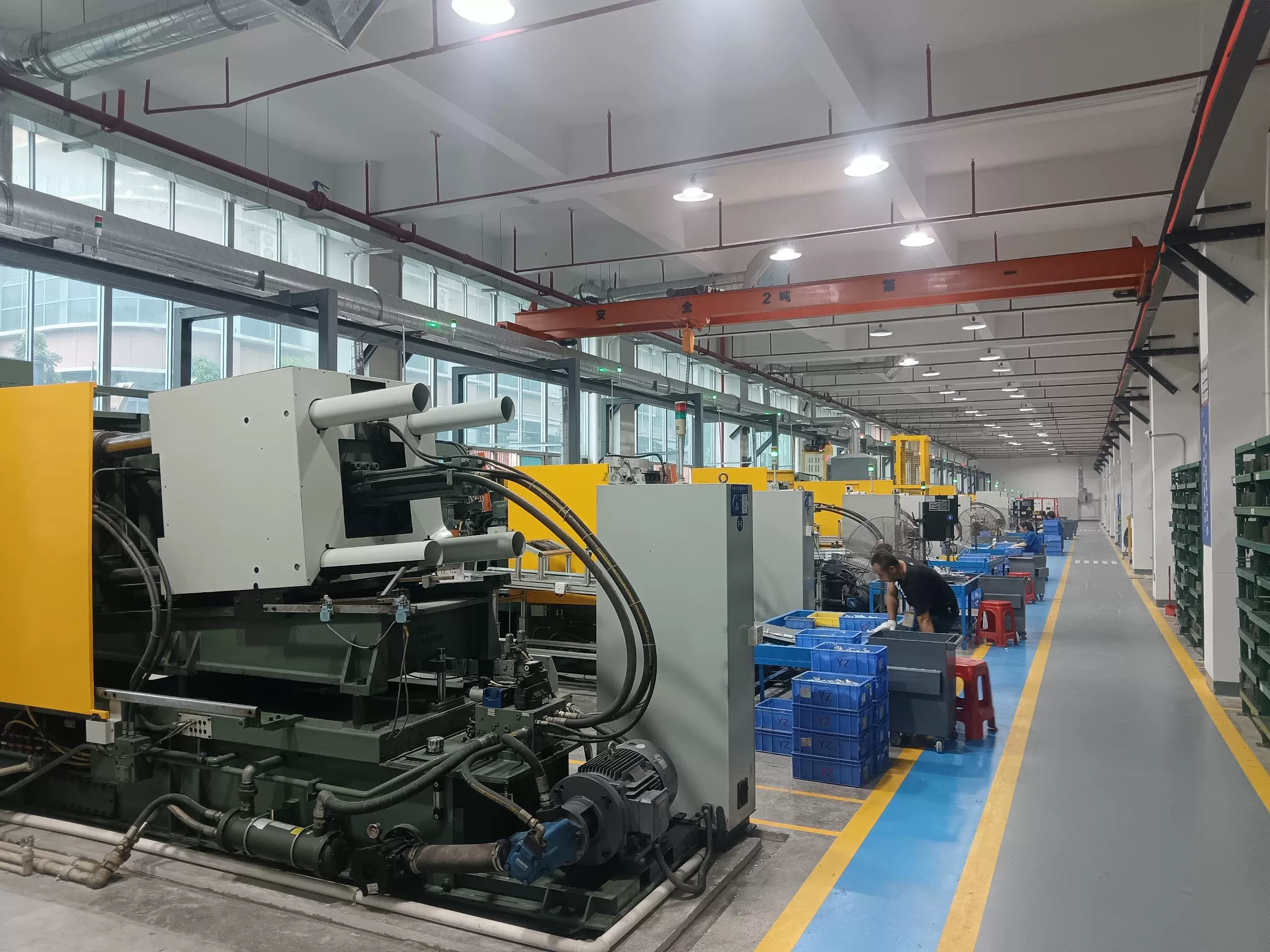
Metal forming
Carry the shared outline and approved changing features into each body.
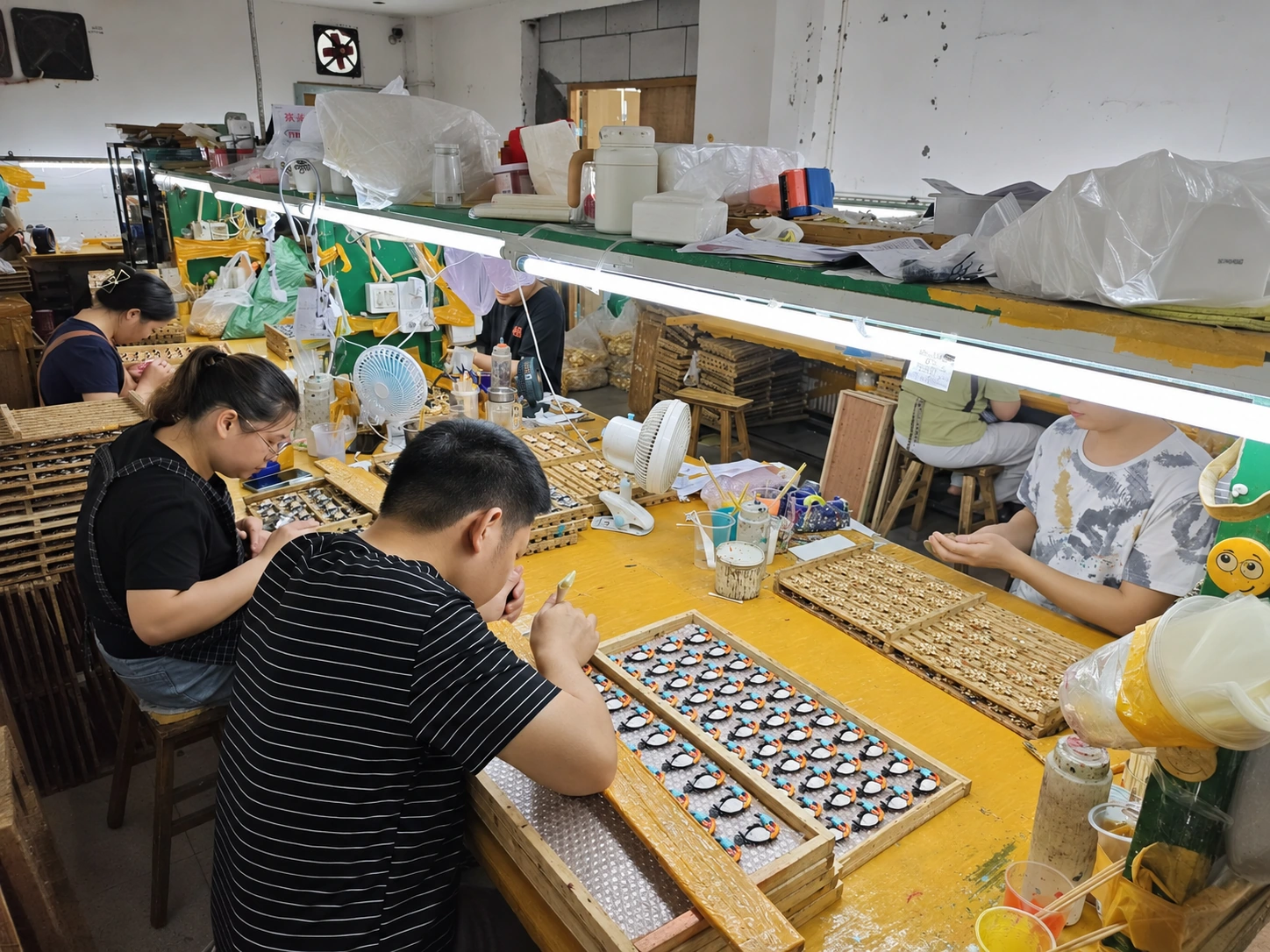
Colouring
Keep common colour areas and version differences identified.

Polishing
Prepare relevant edges and surfaces for the selected appearance.

Plating
Keep finish references associated with the correct ranked version.
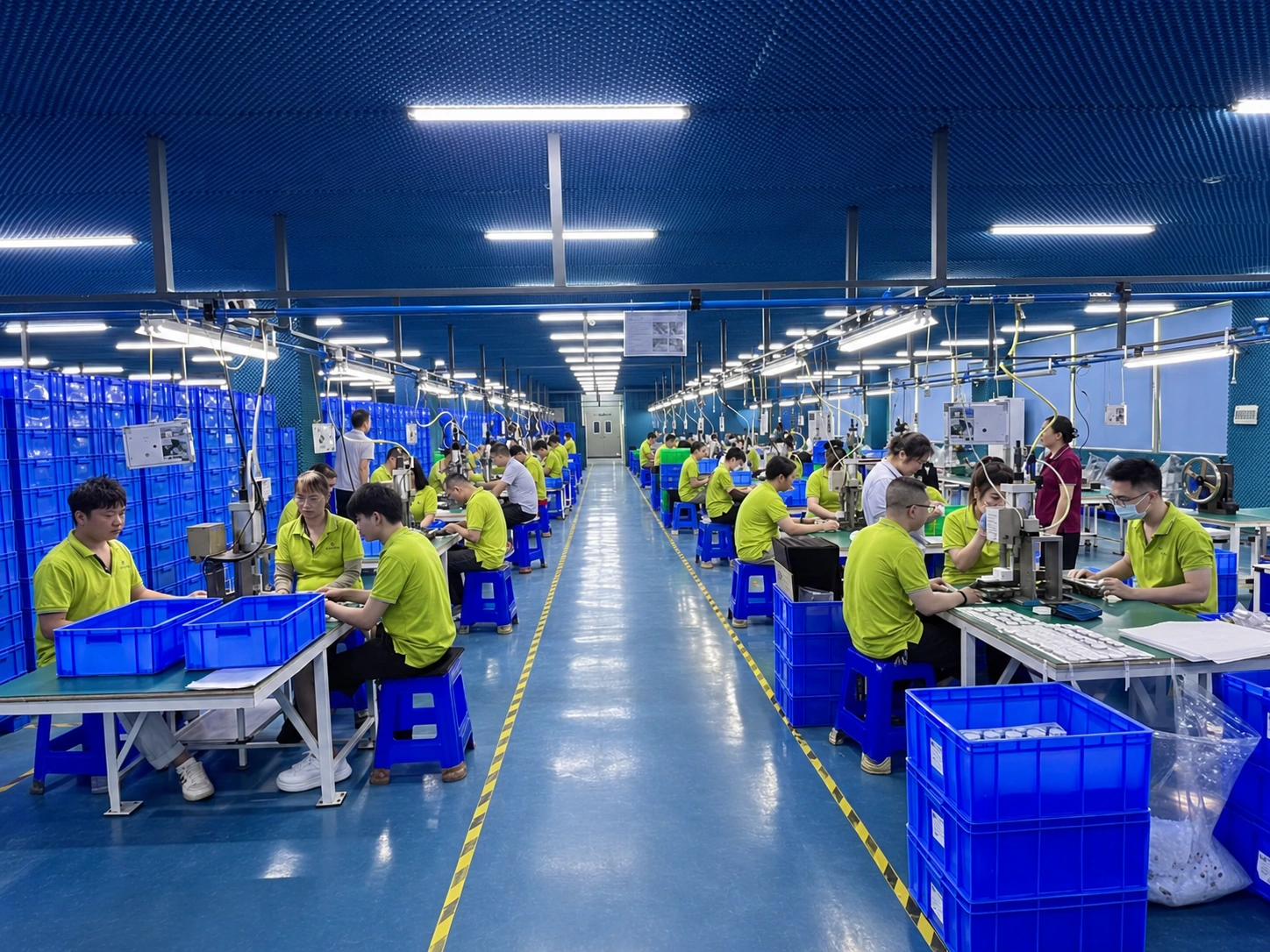
Assembly
Match each body to its recorded connection and ribbon.
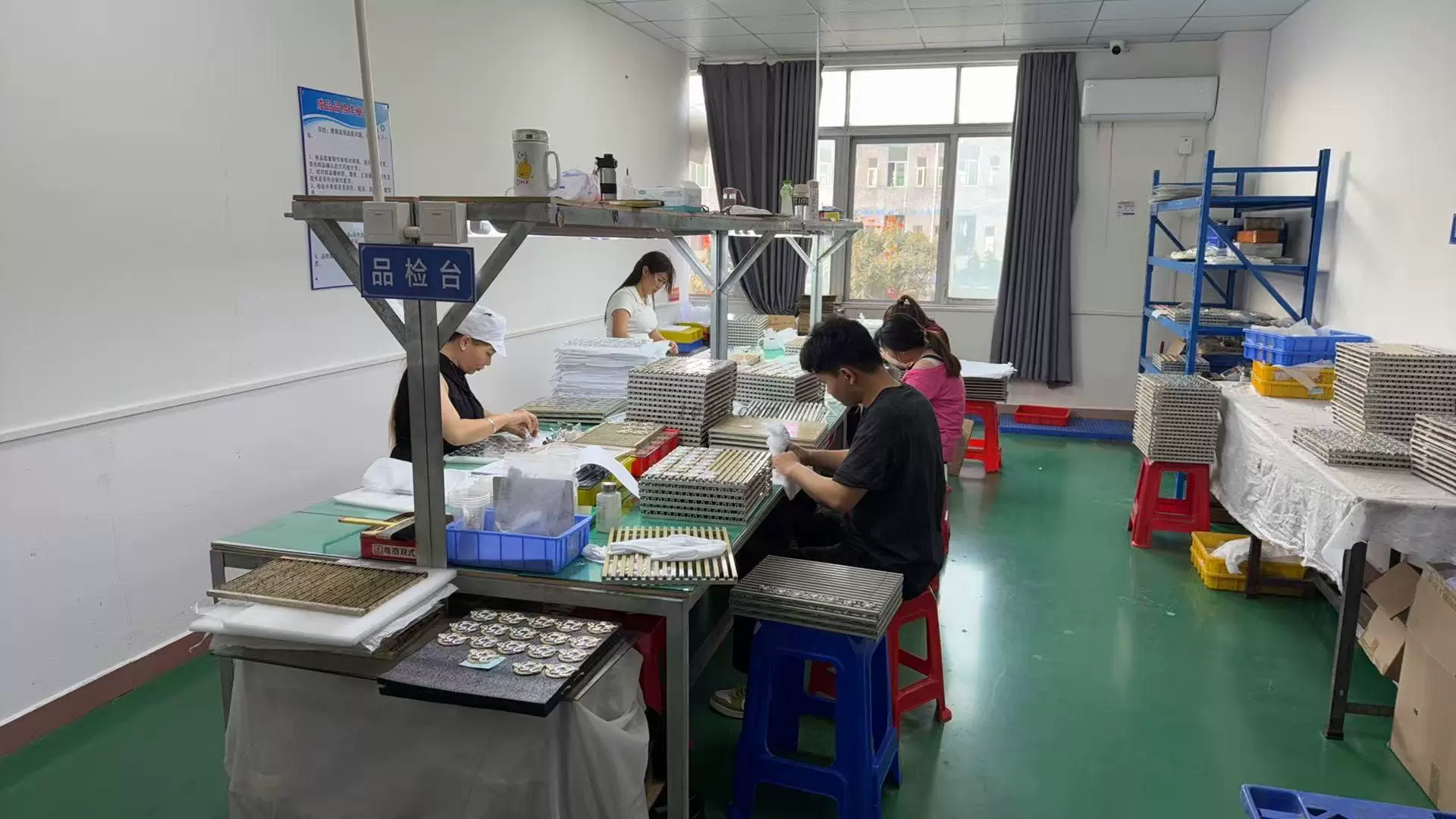
Inspection
Compare rank text, finish and assembly with the version record.
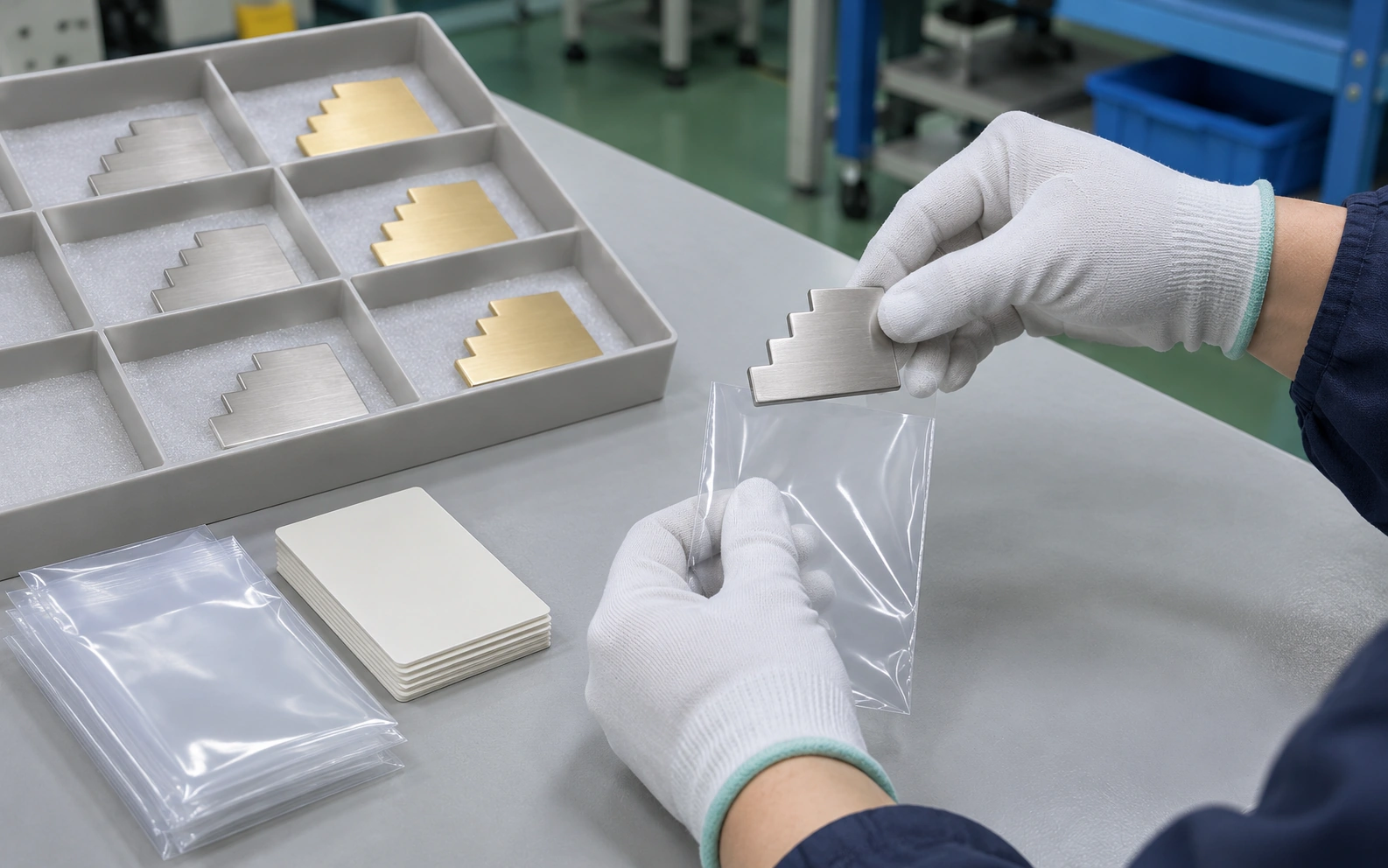
Packing
Count pieces and form the agreed competition-group allocations.
Company archive photographs show general factory work areas; restored versions are labelled. Polishing, plating and packing remain illustrations. These visuals are not photographs or inspection evidence of this award order.
07 / PRODUCTION
Build and separate the ranking family
The states below describe the award family. The detailed order of surface operations depends on the chosen construction and enamel route.
The selected material, construction and finish determine the manufacturing route, with enamel included where specified. These operations explain our scope; they are not one universal production sequence.
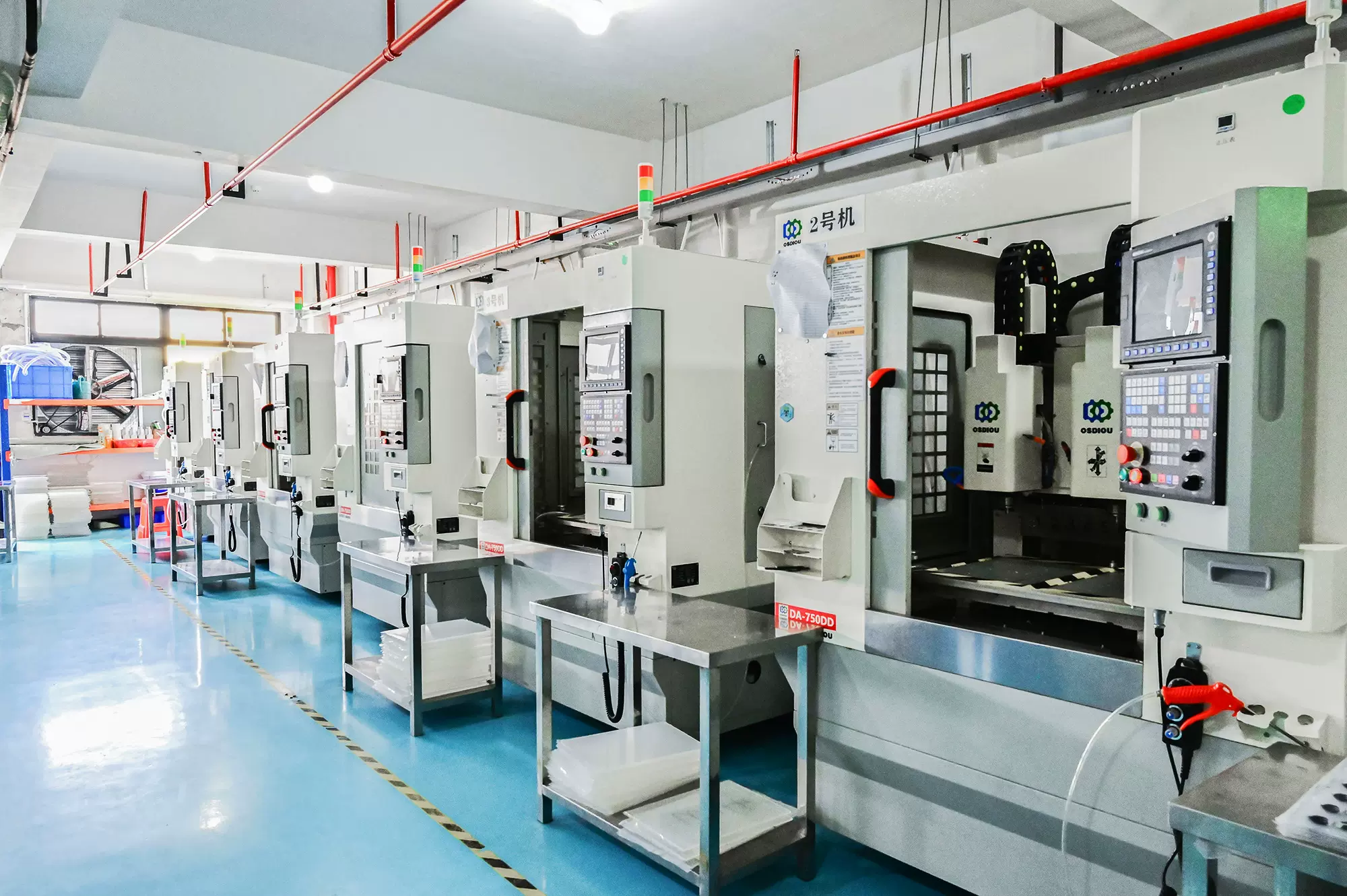
01 / Family and tooling reference
Establish the shared outline and map each rank to its approved artwork. Mark which differences affect metal structure and which concern surface appearance.
02 / Metal bodies
Form the bodies using the agreed references. Keep any physically different rank versions identifiable before later surface work.
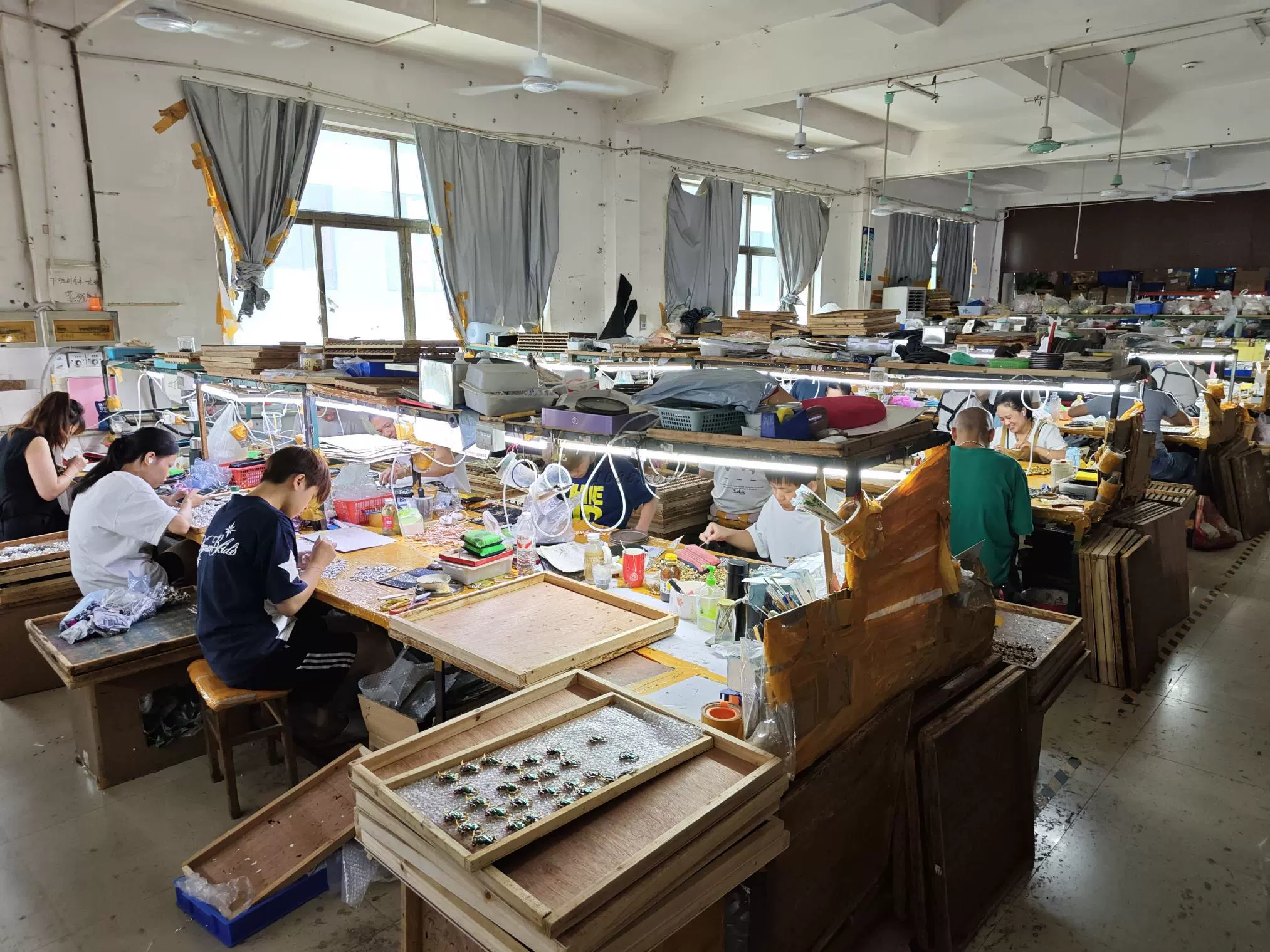
03 / Enamel and metal appearance
Apply the selected route to each version. Compare common design features and changed finishes against the correct references.
04 / Polishing
Refine the relevant surfaces according to the selected construction and agreed finish. Where enamel is specified, the soft or hard enamel route is reviewed for the design.
05 / Plating
Review the specified metal treatment with the agreed appearance reference. Where enamel is specified, assess it with the selected colours. The construction and finish determine the detailed route.
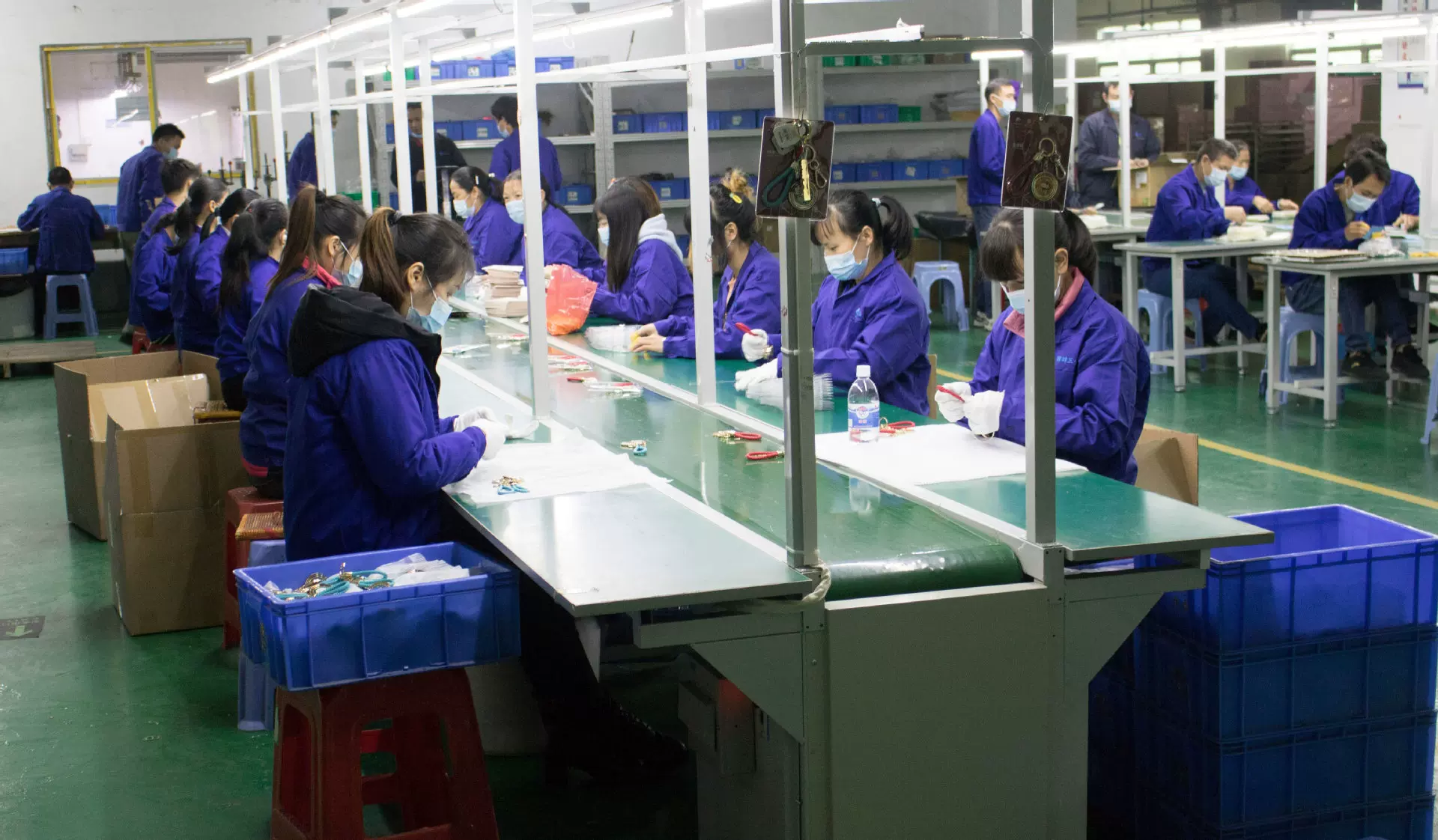
06 / Ribbon assembly
Combine each body with its designated connection and ribbon. Maintain front-facing orientation without mixing rank or division assignments.
07 / Version review
Check the award title, reverse, surface and complete assembly against the family record. Any special inspection or testing requirement needs a separate project agreement.
08 / Allocation and packing
Count individual medals before making the agreed award groups. Retain the link between group labels and the approved quantity matrix.
Soft enamel route
Raised metal and recessed colour are part of the intended surface.
Hard enamel route
The filled face is polished for a flatter colour-and-metal surface.
Process order and review points are confirmed for the chosen specification. Company archive photographs show general work areas; polishing, plating and packing use illustrations. These references do not document this particular product being manufactured.
08 / COOPERATION
Approve the whole programme, not just one medal

01 · Describe the competition
Share the organiser's identity, award purpose, destination and timing. Include the proposed ranks and competition groups before asking for a combined quantity.

02 · Build the order matrix
List medal pieces against each rank and group combination. Identify common features, changing artwork, ribbon arrangements and packing allocations.
03 · Review artwork and quotation scope
Check every version reference alongside dimensions, surfaces and supplied assembly. Discuss quotation coverage using that same record rather than an undifferentiated series total.
04 · Agree the approval references
Identify which samples or other references cover the common body and each changed feature. Name the approving contact and record how revisions will be resolved.

05 · Authorise the programme
Confirm the final matrix, quotation, packing and schedule arrangements. Resolve late category additions before they become unrecorded manufacturing or receiving changes.
06 · Coordinate receiving
Provide destination and receiving details and retain the final allocation record. A future competition or additional award category requires a fresh review of scope and timing.
09 / FAQ
Ordering a ranked medal family
Does a ranking series have to be purchased as three-medal sets?
No. Define the individual medal pieces needed for each rank, then describe any groups required for presentation or receiving. The design may coordinate first, second and third places without making them an indivisible selling unit. If a particular award desk needs repeated three-place allocations, record the contents and number of those groups separately from the individual medal totals.
What should our rank and group matrix contain?
Identify the competition group, exact rank title, physical version reference and piece quantity. Include ribbon or reverse differences when they change the supplied item. A separate receiving-group column can show where the medals will be distributed without suggesting every group needs different artwork. The matrix should reconcile to the order total and remain consistent with the approved drawings and packing instructions.
Can colour alone identify first, second and third place?
Use an explicit rank reference in the agreed design or allocation record as well as any visual finish distinction. Colour names can be interpreted differently, and packing teams need an unambiguous version reference. Review the place wording and its contrast across all proposed appearances. A gold-coloured surface does not establish material composition, rank eligibility or the contents of a presentation group.
Can different divisions use the same medal body?
Discuss which features stay common and what changes for each division. A division shown only on a receiving label is different from a division formed in metal or included on the medal reverse. Record the intended arrangement before reviewing tooling, artwork and quantities. Shared geometry does not automatically mean all versions can use one approval reference or that later changes have no effect on the project.
Should we approve one sample or every ranked version?
Agree a review scope that covers both the common construction and the changed features. A single sample may demonstrate a body outline but cannot by itself establish every rank title, finish or ribbon variation. Identify which references approve each difference and how the family is reviewed together. Sample provision, costs and revisions belong in the actual project arrangements rather than being inferred from the illustrated series.
How do we keep tied places or extra awards separate?
List the award pieces your organiser has authorised, including repeated ranks and any additional award title. Manufacturing does not determine competition rules or how ties should be resolved. If an extra award changes the wording or physical design, assign a clear version reference. If it uses an existing version, adjust the quantity and receiving allocation without inventing another product page or an assumed standard award allowance.
Can each rank use a different ribbon?
Provide the ribbon reference for every affected version and explain how it relates to the competition groups. Review the ribbon, connection and body as a complete hanging assembly, including front-facing orientation. Different ribbons also need clear packing references so they are not mixed during allocation. Their sourcing, artwork, dimensions and supplied state are discussed for the actual programme; textile manufacture is not implied by medal assembly.
How should we pack awards for several presentation sessions?
Describe what each receiving group needs to contain and how it should be identified. Keep individual medal protection and the group's total contents clear, including repeated places or different divisions. A session label should not replace the underlying version and quantity record. Review the proposed arrangement before approval so the event team can relate the packed groups to its own presentation schedule.
Can this family cover school participation and academic recognition too?
Those purposes need separate briefs. This family is organised around competition rank and group allocation. Whole-school sports-day participation concerns class or house distribution, while academic recognition follows institution-authorised achievement criteria. Shared colours or a similar metal outline do not remove those differences. Identify additional requirements separately so the eligibility wording, counting records and receiving arrangements are not folded into a ranking matrix by assumption.
What happens if we add a category after approval?
Identify the additional medal pieces and specify whether they reuse an existing version or require changed artwork, ribbon or structure. Reconcile the revised matrix and review the effect on samples, quotation, packing and schedule before treating the addition as authorised. Prior approval covers the recorded programme; it does not guarantee extra quantities, unchanged pricing or arrival for a later request.
10 / ARTICLES
Preparing a coherent award programme
A useful procurement guide should help your team reconcile ranking titles, physical versions and allocation records. Relevant articles can support those decisions when they address the same organiser purchasing task.
11 / RELATED PRODUCTS
Compare the recognition purpose

Medal project directions
Compare other medal purposes when the brief includes participation, ceremony or recognition alongside ranked awards.

Employee recognition pins
Review a clothing-mounted recognition format for an organisational achievement programme rather than competition place allocation.

Corporate event pins
Consider an event identity item with a pin fastening when a hanging rank award is not the required product.
12 / ENQUIRY
Bring your award matrix
Share the ranks and competition groups your organiser has authorised, with a medal-piece quantity for every version. Include available front, reverse and ribbon references and identify the features you want to keep common across the family.
Describe the receiving groups, presentation needs, destination and requested arrival date. We can use that information to discuss a coherent product scope and the next artwork, sampling and quotation decisions.
- organiser and event reference
- rank titles
- competition groups
- pieces per version
- common and changing artwork
- ribbon and connection
- assembly state
- sample coverage
- receiving allocation
- destination and timing.
Email artwork and the rank/group quantity matrix to [email protected]. Identify the latest revision and any details still open for review.
Read the Privacy Policy before sending your business contact and project details. Submitted information is used to discuss this enquiry.
PROJECT BRIEF
Ranking Medals for Competition Organisers