
How To Approve A Temporary Keychain Clasp Substitution
The factory is short of the clasp you approved for this order. You need to decide which units can use its proposed substitute.
Compare the proposed clasp on the finished assembly. Record the exact lot and quantity before giving the supplier permission.

Define The Order At Risk
Find the order, drawing revision and original clasp part number before you answer the supplier. Confirm which versions of the keychain use that clasp.
Ask how many original clasps are available and which assemblies already contain them. Separate component stock from units your factory has already finished.
Have the factory list the orders that would remain short. Set a date for your decision based on the actual assembly schedule.
Ask whether the supplier can receive the original clasp before the planned shipment. Compare that date with the time needed to check the proposed replacement.
Keep the original requirements visible while your team reviews the request. Separate original parts and assemblies so the factory can identify what it can continue.
Use a written supplier deviation request to document the temporary exception. The JELD-WEN supplier process illustrates pre-shipment approval for deviations that preserve form, fit and function.
If the proposed part changes fit, function or any rated use, arrange a new technical review. A temporary quantity limit alone cannot establish suitability.
Ask the supplier to identify work it has already started while the request is open. Separate that quantity from work it proposes to do next.
Give your supplier a named contact for the decision. Include your retail or brand approver when the proposed clasp changes what customers will see.
Identify The Proposed Clasp
Ask for the replacement part number, supplier, finish and available lot. Have the factory send the corresponding drawing or a dimensioned photo beside the approved part.
List which surfaces and joints the replacement affects. A different attachment eye can change the connecting ring even when the outside shape looks close.

Decide whether the connector, tag and packing stay as approved. Ask for separate evidence if the supplier also needs to change another part.
Confirm whether the proposed clasp comes from stock or a future delivery. Tie your review sample to the specific source the supplier plans to use.
When the clip forms the body of a metal carabiner keychain, review the affected body as a complete part. Identify both the gate and the attachment geometry.
Record whether the replacement leaves the approved logo visible. If the clasp covers artwork while the product hangs, show that position in your sample review.
If the buyer has an approved clasp from another order, ask how it differs from the proposed lot. Compare the actual source and revision before using that evidence.
Compare The Finished Connection
Request one original reference and a replacement assembly made through the intended process. Use the approved body and connector wherever your request leaves those parts unchanged.
Bring the real object the user needs to clip onto. Compare the gate opening, finger access and removal on that object.
Open the proposed clasp using the intended grip. Check that it returns to a closed position and seats fully after you release it.
Move the ring and clasp through the expected range. Look for contact with the tag, a joint that binds or a connection that can escape.
If the clasp sits differently, compare the unit in its approved pack. Check that the new position meets the space and surface protection already agreed.
Record the sample ID, date, part revisions and resulting observations. Include the view that shows any interference so your supplier can reproduce the finding.
Ask your quality team which existing checks must be repeated on the changed assembly. Use the agreed criteria from the assembly durability approval where applicable.
Define rejection before your team uses the sample. For example, a gate that cannot close on the actual attachment blocks approval until the supplier resolves it.
Record a denied request against the proposed part and lot. Stop assembly with that part and confirm whether approved original assemblies can still move.
Decide The Scope Of Approval
If the sample meets your order requirements, state which job can use the proposed part. Enter the maximum units and the exact replacement lot.
Ask who signs the limited approval and who checks it at the assembly line. Use a format both the buyer and the supplier can retrieve.
| Field | What To Record |
|---|---|
| Order | Purchase order, affected SKU and original drawing revision. |
| Clasp | Original part, temporary part, finish and approved supplier lot. |
| Evidence | Sample ID, attachment used, fit results and any required checks. |
| Limit | Maximum units, approved batch and expiry condition. |
| Stock | Separate storage, carton identification and handling of leftovers. |
| Return | Original clasp confirmation before the next unapproved release. |
Tie the expiry to an event your factory can verify. Examples include completion of the named production batch or use of the authorized quantity.
Tell the factory what a hold means in practice. Agree where proposed components stay and who can resume work or release them.
Separate permission to assemble from permission to ship. The first may cover a named issue quantity while the second covers only inspected, conforming finished units.
Record the assembly issue quantity beside the finished shipment limit. Make a second written decision before the factory issues any reserve parts outside that quantity.
Record the price or delivery impact if it affects your decision. Send the purchase order change or attached approval through your normal order records.
If the customer must buy one uniform hardware appearance across all units, confirm that before mixing stock. Ask the buyer to approve any needed version split.
Reconcile The Temporary Batch
Imagine an order for 1,200 custom logo keychains with one clasp per unit. The factory has 800 approved clasps and needs 400 more.
The supplier proposes replacement lot B17 and receives 420 clasps. It sets twelve aside for checks and retains them outside the order count.
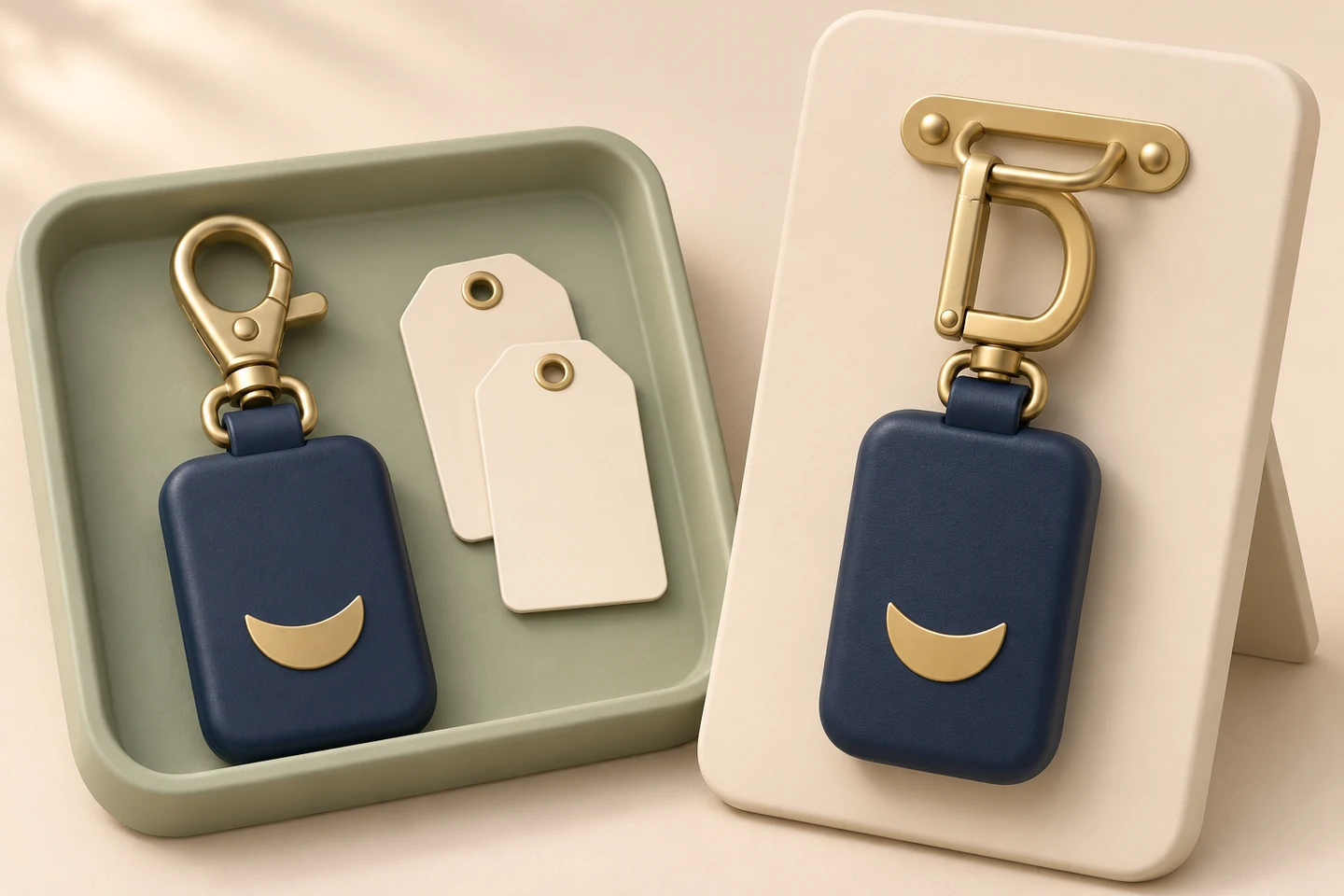
The buyer allows the factory to issue 400 B17 clasps for assembly. The other eight stay segregated until the buyer makes a separate decision.
The buyer signs a shipment limit of 400 conforming B17 assemblies after inspection. This release applies to that order line and lot alone.
Finished stock then contains 800 original assemblies and 400 approved substitute assemblies. The factory records both counts before handing the order to receiving.
If eight of the first 400 fail assembly, hold them. The factory now has 392 conforming replacements and needs a decision on the eight spares.
If the buyer permits use of the eight spares, inspect the resulting units before release. Record the additional issue against the same B17 batch.
| Stage | Example Record |
|---|---|
| Received | 420 B17 clasps received. Set 12 aside for checks. |
| First Issue | 400 issued. 392 conform, eight on hold and eight spares untouched. |
| Second Issue | Eight spares issued only after buyer approval. All eight conform in this example. |
| Final Count | 408 issued in total. Release 400 conforming units and keep eight failures held. |
The order still calls for 1,200 conforming assemblies. The second issue increases raw clasp consumption by eight while the buyer’s finished shipment limit stays at 400.
The numbers illustrate one controlled order. Use your actual unit count, sample requirements and supplier lot when you complete your own approval.
Close The Temporary Exception
Give the assembly supervisor the original and replacement identifiers before components are issued. Make sure the warehouse can distinguish both when recording finished stock.
Keep the approval with the purchase order and the list of affected cartons. Enter the actual quantity used and the disposition of leftover clasp stock.
Check substitution limits if the production schedule changes. Get a new decision when the factory proposes another clasp lot or another order.
When the original part returns, ask for the part and lot identifiers. Confirm the stock matches the approved build before the factory resumes normal assembly.
Tell the receiving team which change has ended. Ask it to keep the temporary approval available for returns involving the affected units.
Ask the stock owner to count remaining B17 pieces and remove them from the normal picking location. Record their return, disposal or continued hold.
Update the work order so current operators see the original part again. Compare one assembly from the restored build against the retained original before release.
If the replacement becomes a regular option, start a separate product revision review. Give it its own specification, sample approval and effective date.
Frequently Asked Questions
Can A Supplier Send Photos Before The Physical Sample?
Use photos to identify the proposed part and highlight changes. Keep the decision open until your team has the agreed physical fit evidence.
Can One Approval Cover Two Colors?
List both colors if you reviewed the clasp on both builds. Write separate conditions when finish, attachment geometry or retail presentation differs.
What If The Substitute Lot Arrives Before Approval?
Have the supplier identify and isolate it. Decide whether you can inspect same-lot specimens without releasing the rest to assembly.
Can The Supplier Use A Previous Sample For The Proposed Lot?
Ask how the sample represents the current lot. Require a fresh or traceable specimen when the earlier sample cannot establish that link.
What If The Customer Will Accept Only A Partial Shipment?
Reconcile the original and approved substitute quantities before confirming the shipment. Keep the unfilled balance and its required hardware visible on the order.
Final Thoughts
Bring the approved assembly, proposed clasp and affected quantity to your next product review. Explore custom keychain options or share the exact attachment you need to verify.