
Complete metal belt buckles
Source Belt Buckles Wholesale for Your Brand
Source belt buckles wholesale as complete metal units with working back fittings. Develop the brand face and approve the strap interface, closure and normal release on your intended belt.
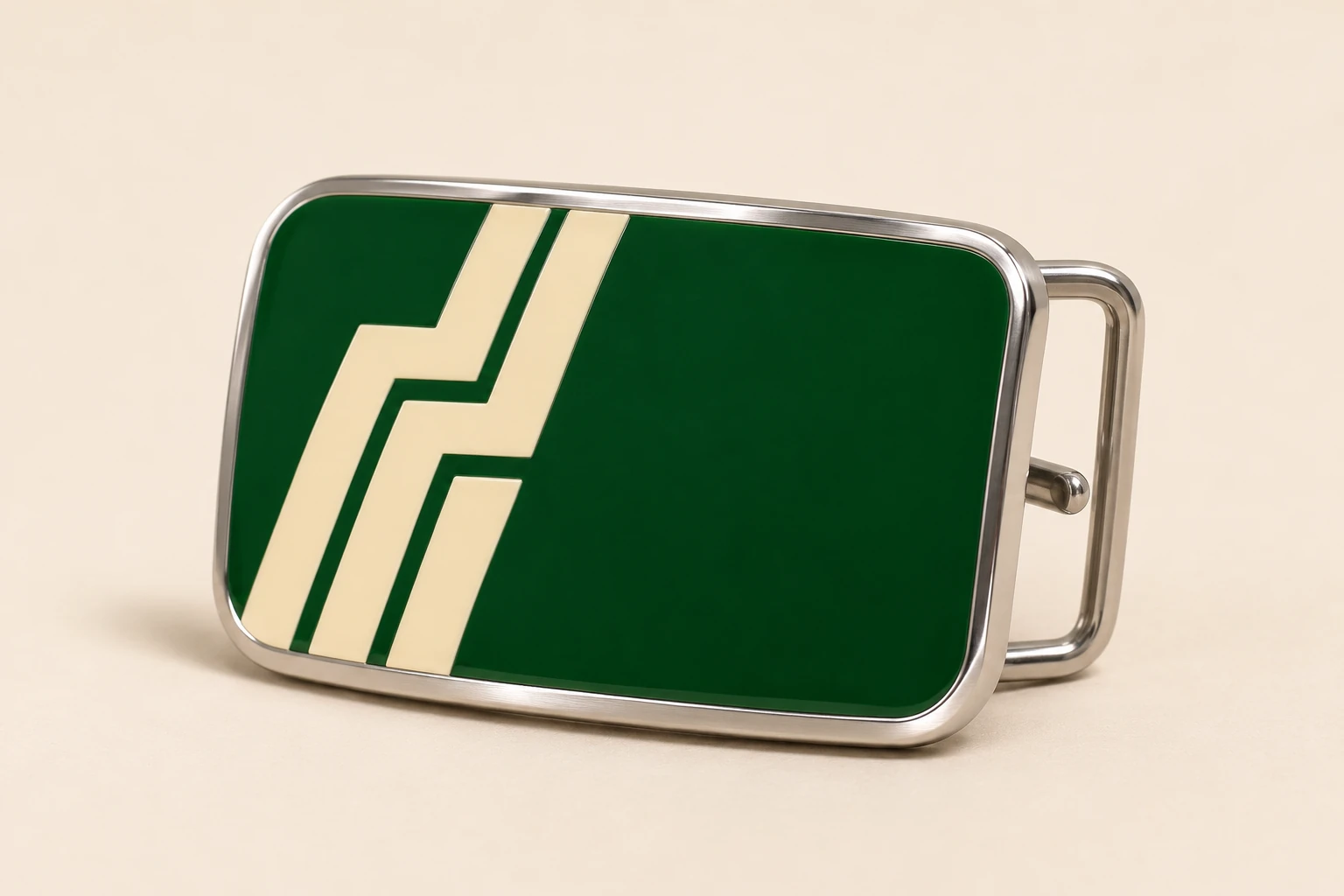
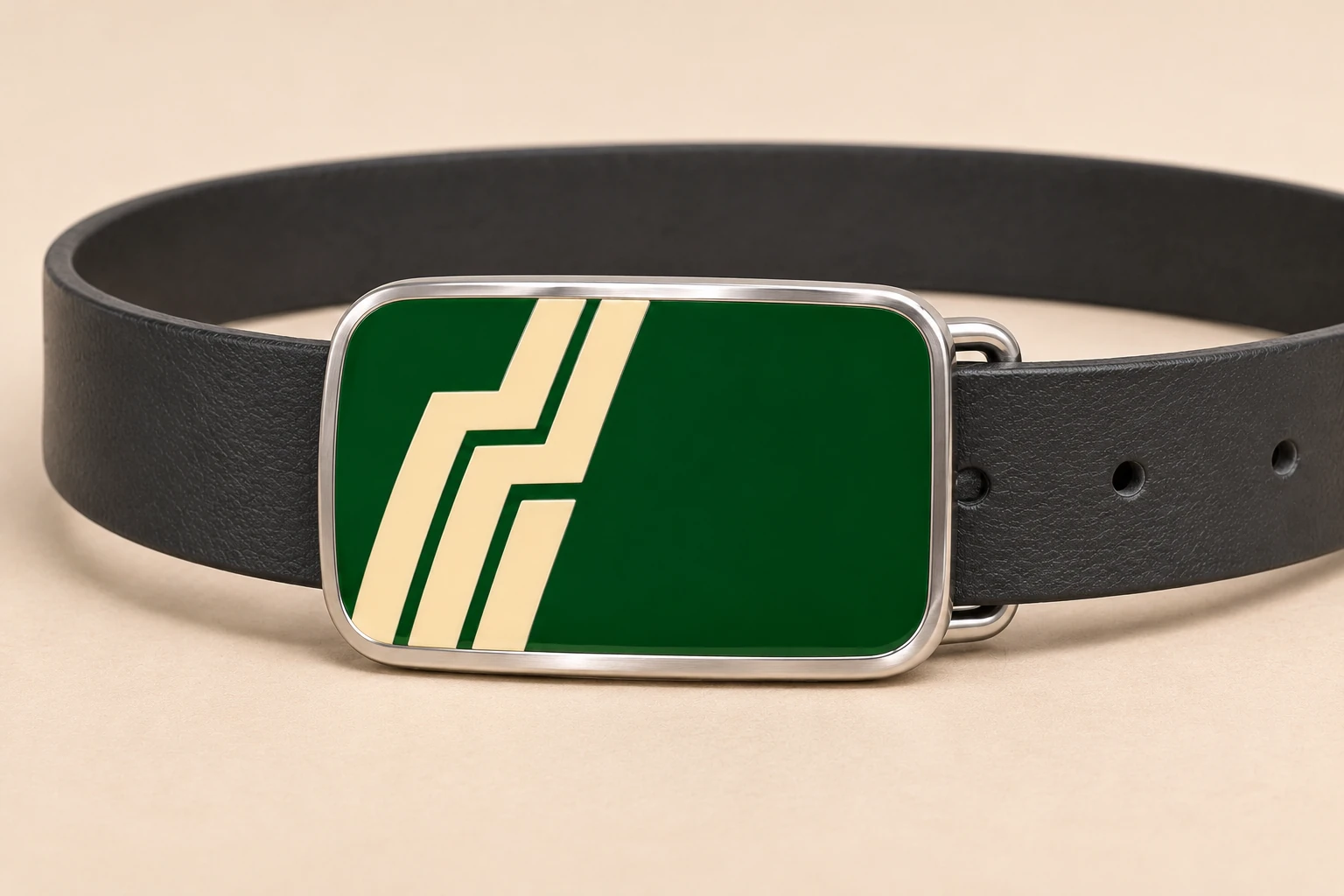
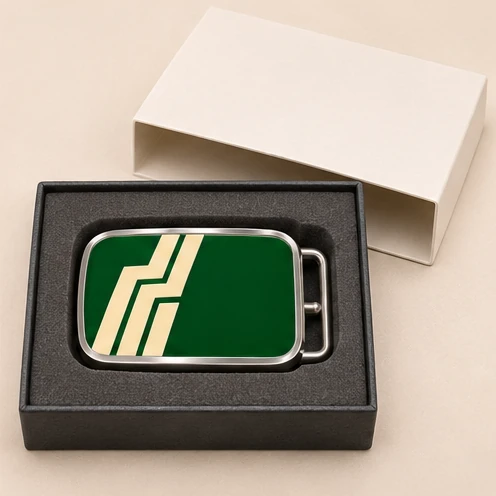
Illustrative plate-style first-sample direction. Metal, dimensions, back construction and finish require project approval; the belt is included only when specified.
02 / PRODUCT DETAILS
Define the buckle and its working back.
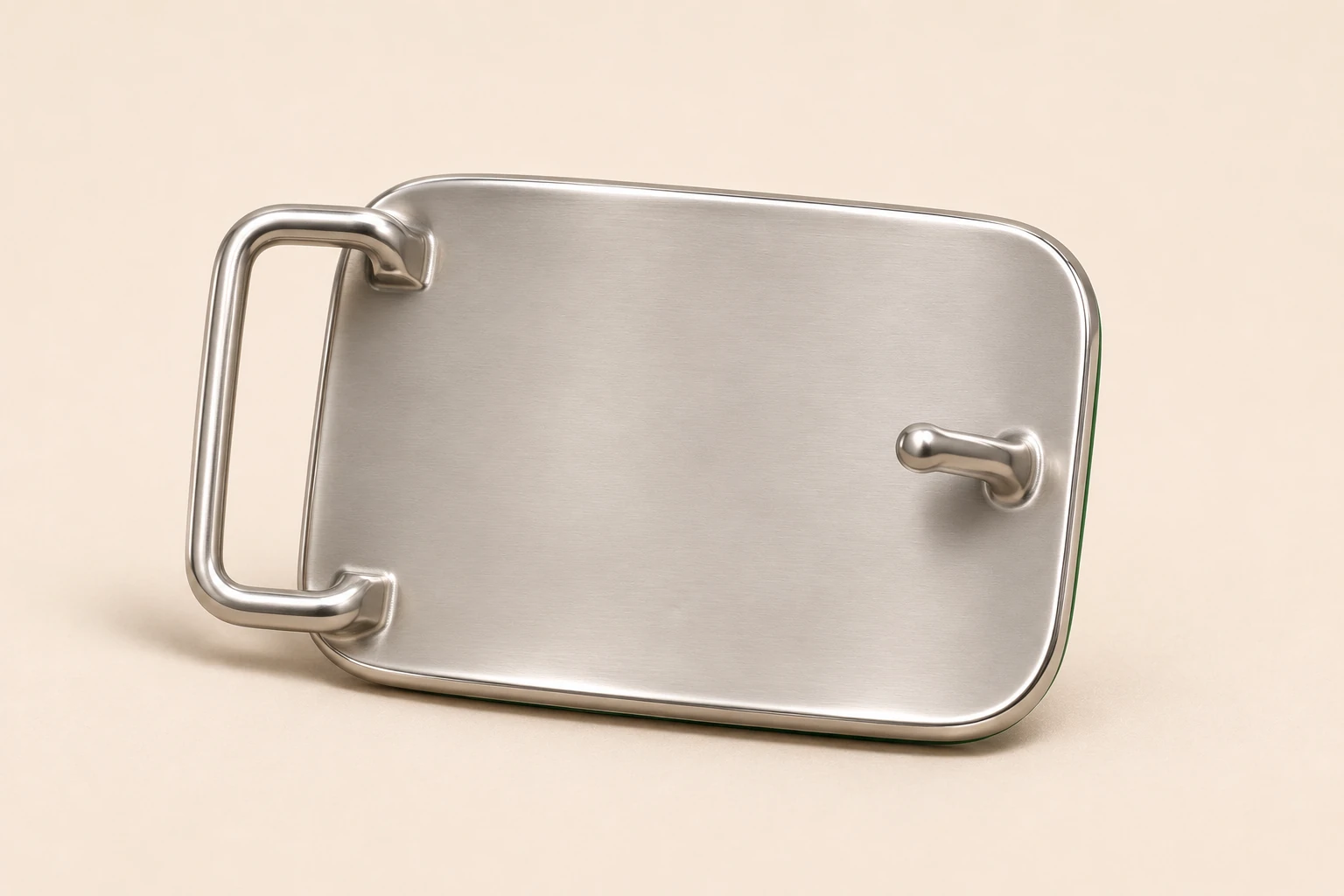
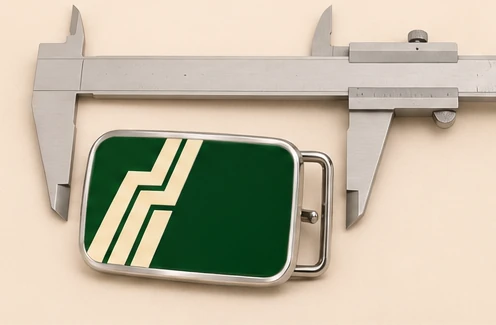
The illustrative plate-style buckle pairs a rounded rectangular face with a rear loop and short hook or stud. Confirm the working construction against your belt.
Identity face
Review the artwork, outline and visible metal boundaries.
Working interface
Review the strap bail, fastening hook and belt interface as a complete assembly.
Reverse and assembly
Inspect the supplied parts and all surfaces that contact the intended belt.
Illustrative plate-style first-sample direction. Metal, dimensions, back construction and finish require project approval; the belt is included only when specified.
03 / ARTWORK
Link the brand face to a controlled reverse drawing.
Send authorized face artwork and the intended belt reference. Keep the front proof and working reverse drawing under one revision.
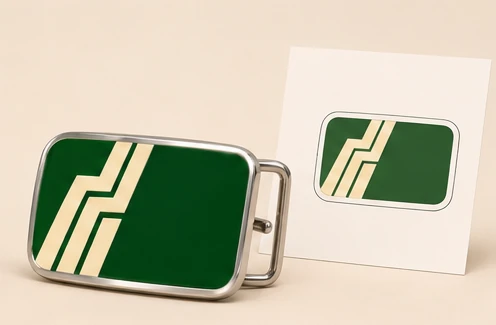
Belt assembly reference
Send the physical belt end, hole pattern and material stack. Identify the installer, fitting instructions and belt variants the approval must cover.
Version control
Separate artwork changes from reverse or belt-fit changes. Register each construction, finish, quantity and sample reference; a shared logo does not merge different interfaces.
04 / ENAMEL AND METAL
Approve appearance without losing the working contact details.
The silver-tone reference has a green stepped band and cream inset. Review the selected surface route on the complete buckle and fitted belt.
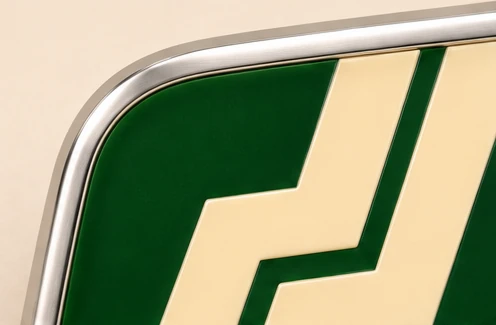
Recessed color review
Review recessed enamel, defined metal divisions and color at actual size. Keep decorative fill separate from rear fitting positions and belt-contact surfaces.
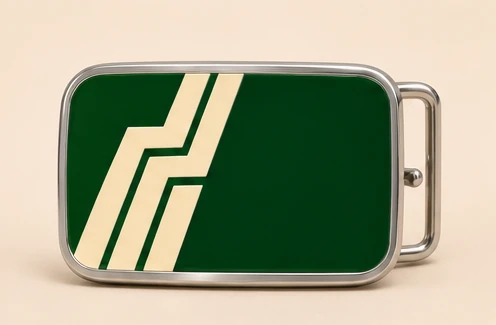
Smooth face review
Review a smoother enamel face against the actual body. Check brand-to-border transitions, profile and edge appearance on the completed sample, beyond the flat proof.
METAL FINISH REFERENCES
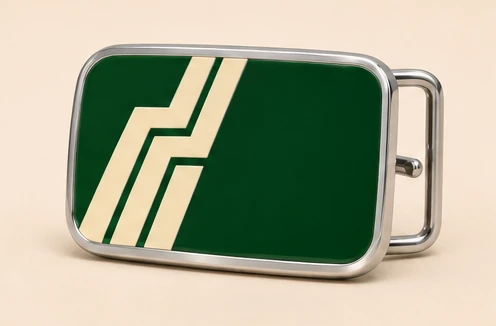
Silver-tone direction
Compare plate, rim and reverse with a physical silver-tone reference beside the belt and collection hardware. Appearance does not specify metal grade or performance.
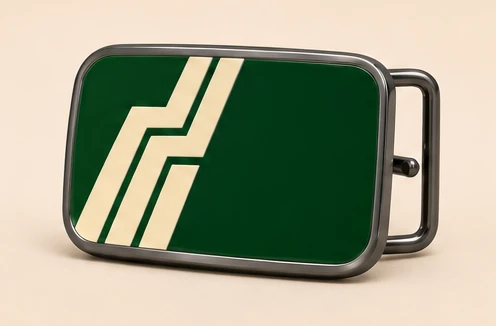
Dark metal direction
Check logo contrast, stepped detail and working contact areas in the darker finish. Retain the approved sample for consistent comparison.
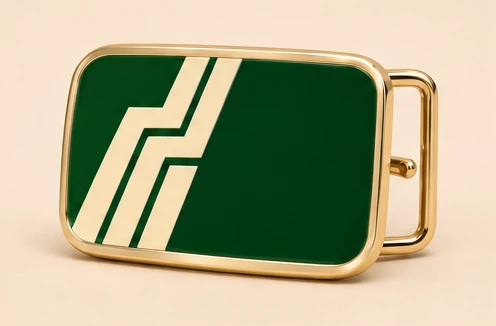
Gold-tone direction
Compare gold-tone brightness beside the belt, including visible back fittings. Record any acceptable appearance difference between component surfaces.
Any requested rubbing, corrosion, loading or repeated-operation assessment needs an agreed method and acceptance criteria. No performance result follows from the sample illustration.
05 / PRESENTATION
Protect finished faces and keep working units identifiable.
Protect decorative faces and projecting rear fittings. Review neighboring-unit contact and label compatible belt constructions clearly, including versions with similar front designs.
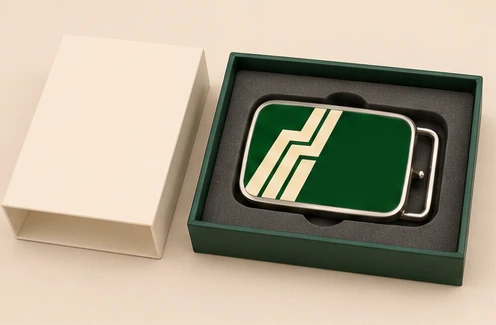
SAMPLE REVIEW
Packing materials, belt inclusion, replacement parts and receiving allocations are agreed for the order.
06 / FACTORY
From tooling to packing. In our own factory.
Green Frog Supply is operated by HANGZHOU FORTHRIGHT TRADE CO., LTD in Hangzhou, China. Our factory carries out tooling, metal forming, colouring, polishing, plating, assembly, inspection and packing in-house.
Company archive photographs show established work areas. Review the proposed product route, responsibility for supplied parts, assembly and sample for this project.

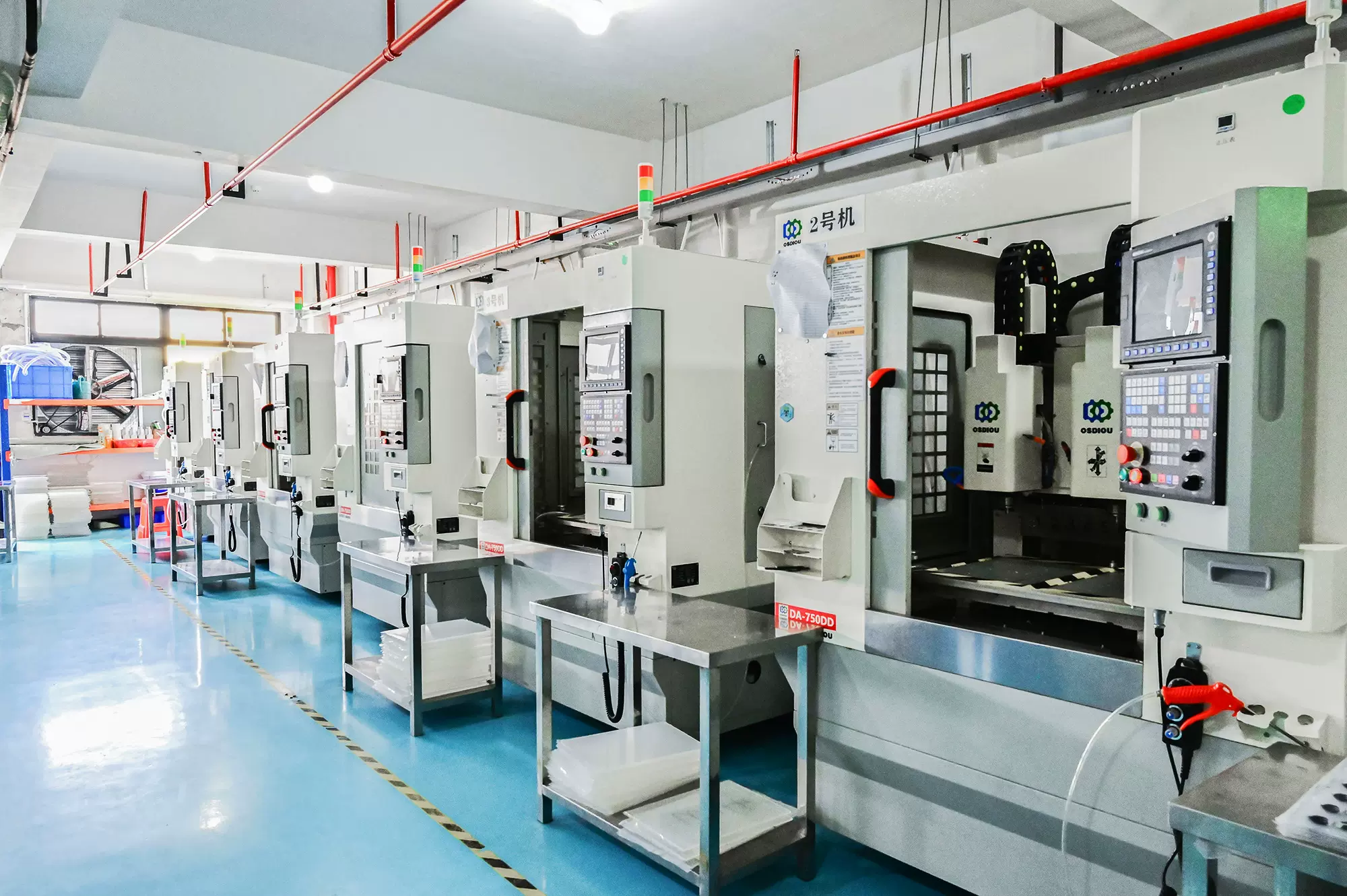
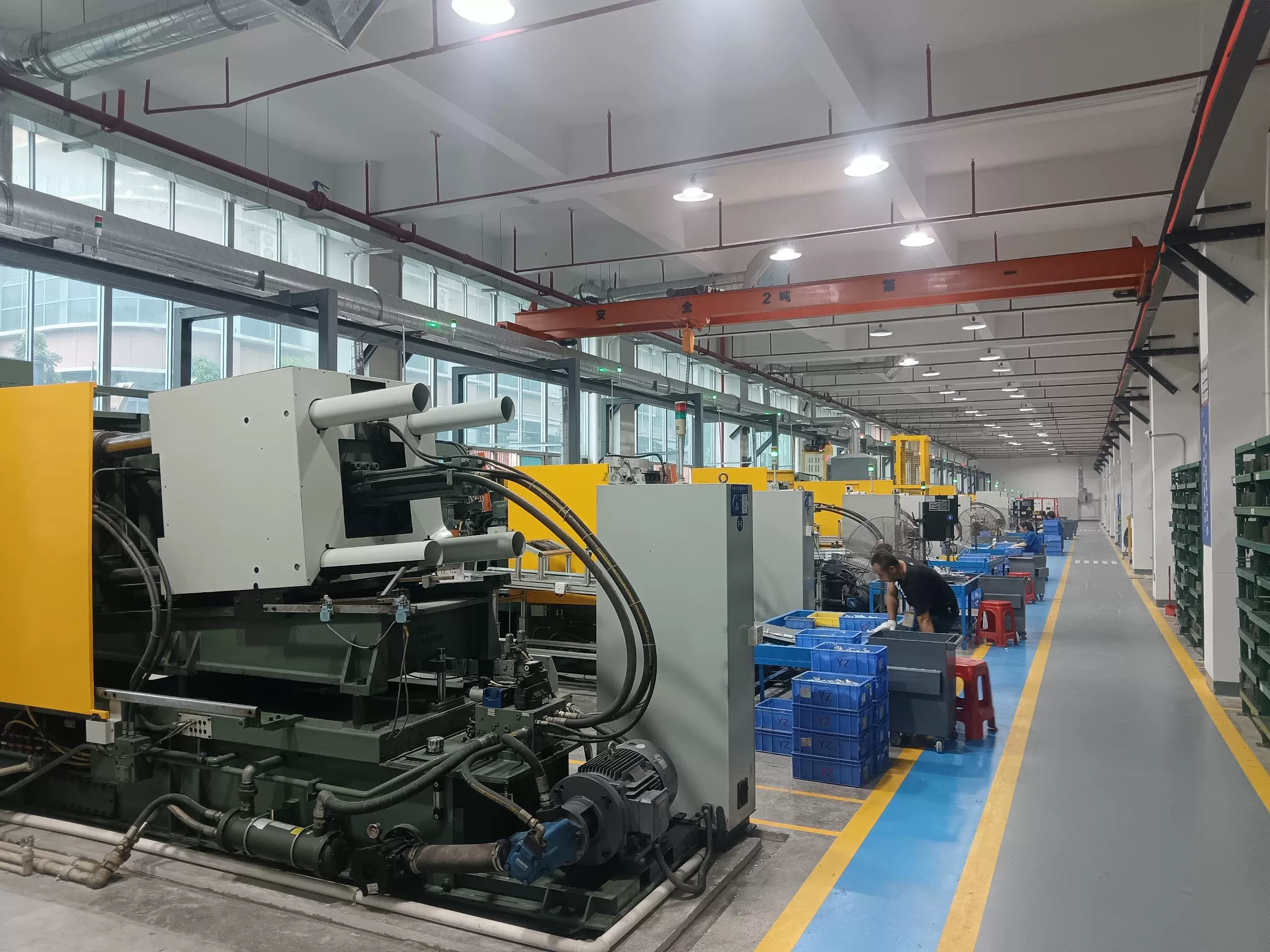
Tooling
Company archive tooling work area.
Metal forming
Company archive metal-forming work area.
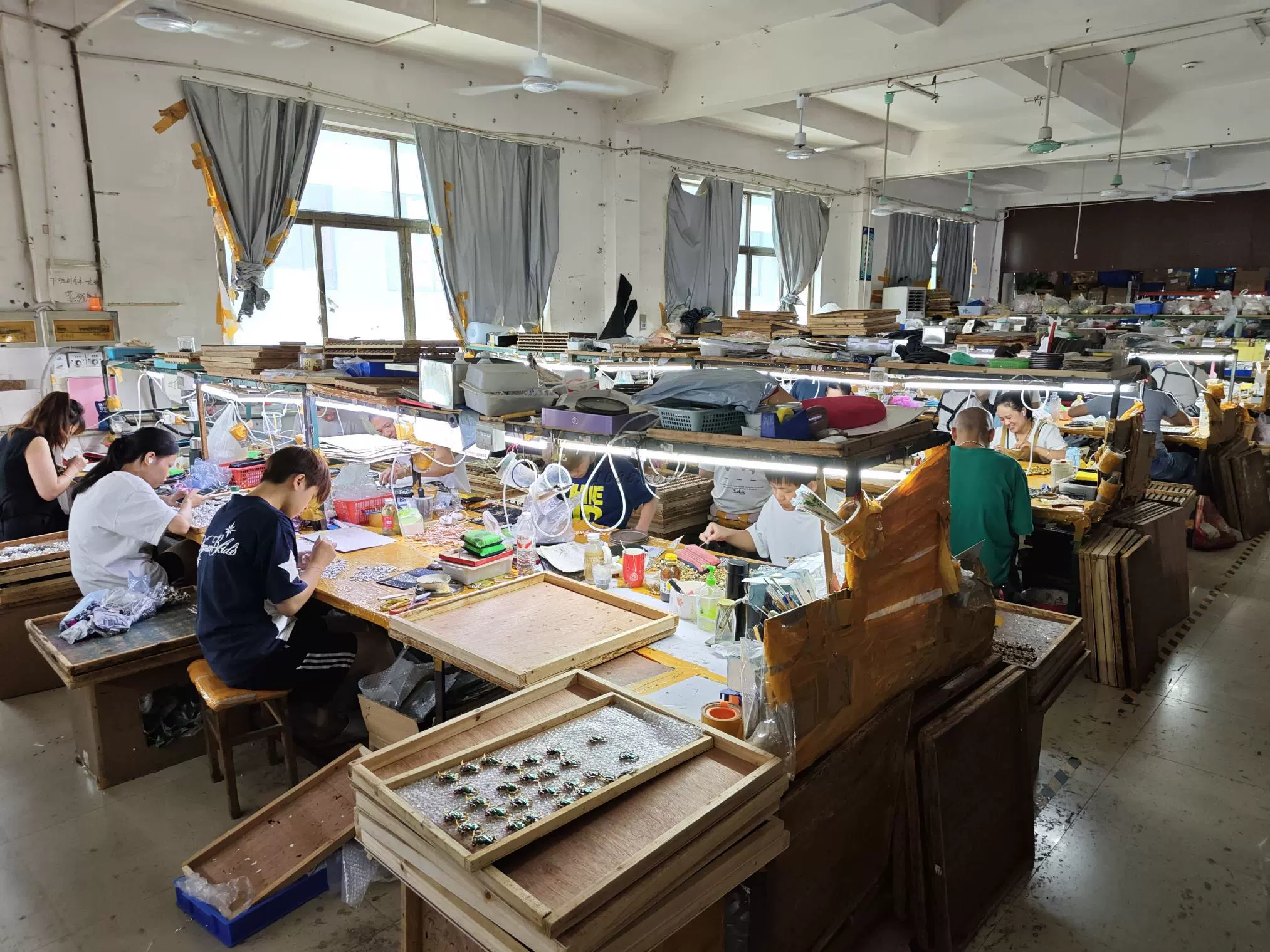
Manual work area
Company archive view of manual small-part work.
Product edge reference
Illustrative buckle-contact reference, not a factory photograph.
Metal appearance reference
Illustrative silver-tone product reference.
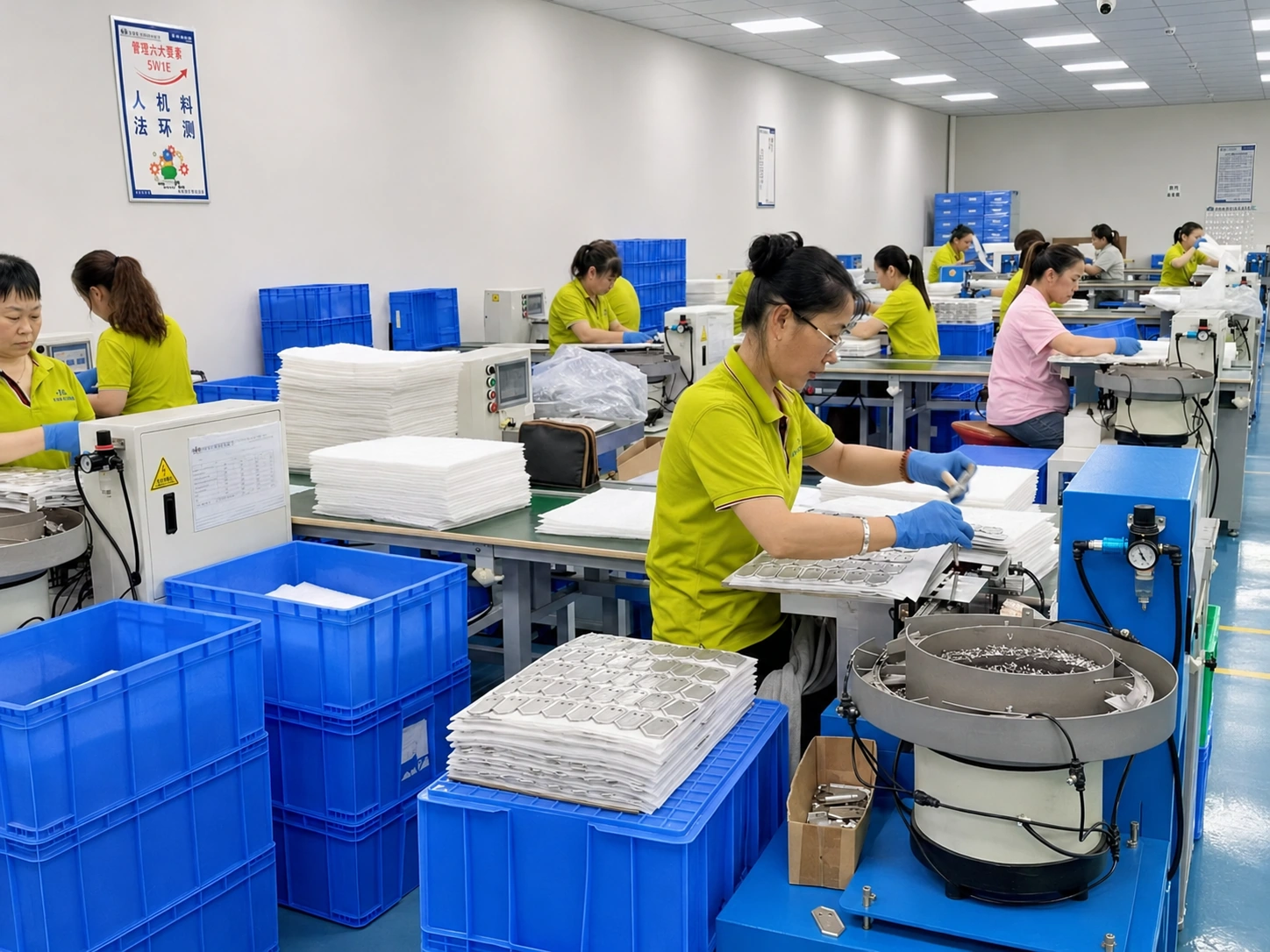
Assembly work area
Company archive small-component assembly work area.
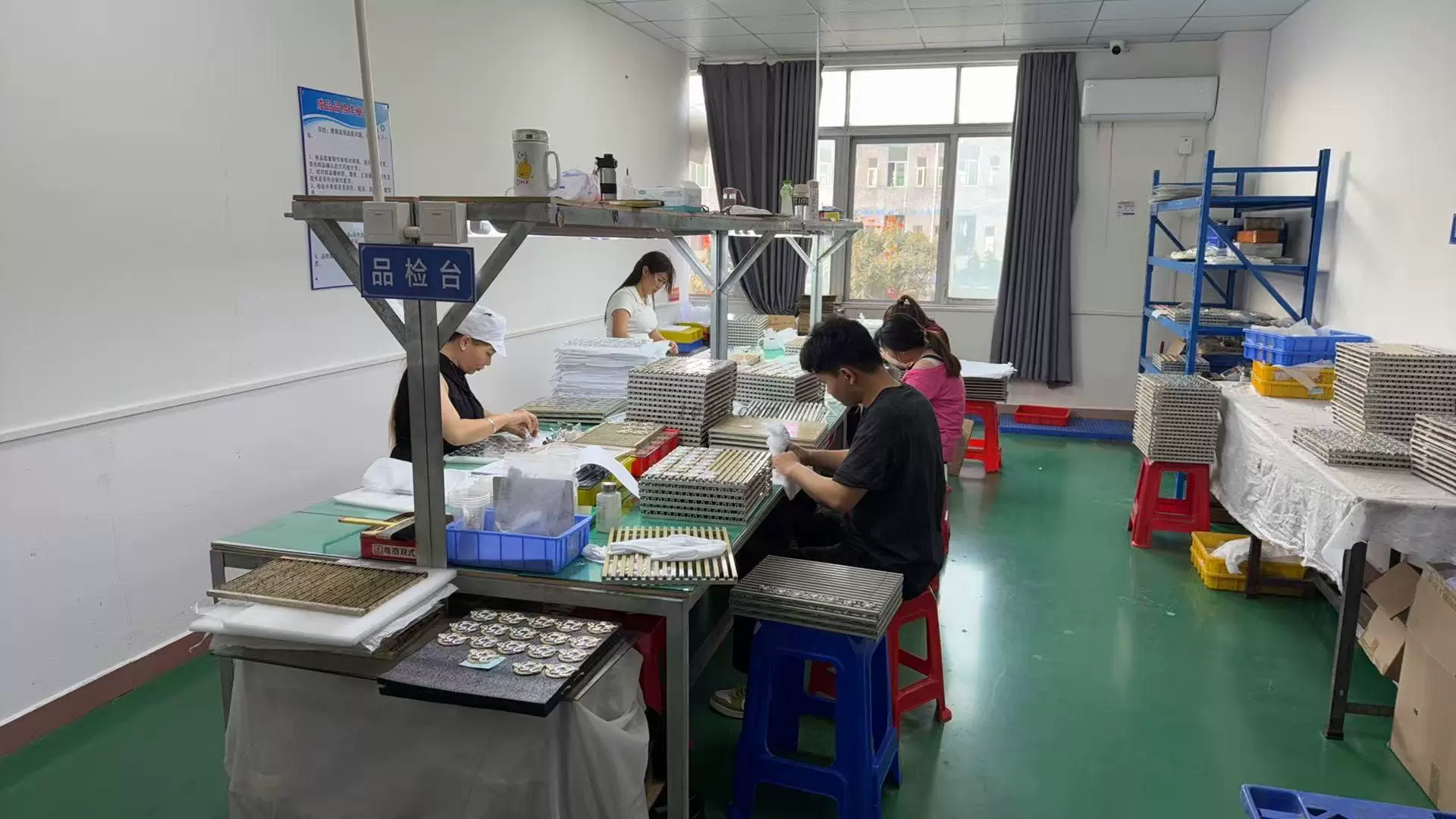
Inspection
Company archive inspection work area.
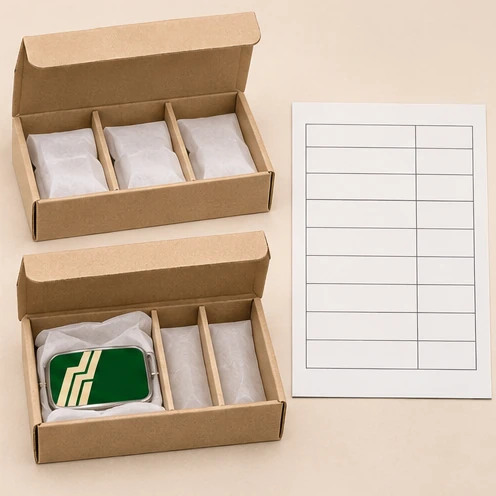
Packing concept
Illustrative protective packing reference.
Company archive photographs identify general work areas. Product process and packing images are illustrative references for discussion.
07 / PRODUCTION
From approved face to working buckle.
The agreed body, finish and working back define the route. Confirm fitting sources and assembly responsibilities before sample approval.
01 / Tooling reference
Release controlled face and reverse drawings; resolve belt-clearance features before the tooling reference is approved.
02 / Metal body
Review proposed metal and forming route against the buckle outline, profile and rear attachment drawing.
03 / Brand detail
Check actual-size artwork and color against the proof, including upright identity on the fitted belt.
04 / Contact edges
Inspect perimeter, loop and fastening contacts; record accepted edges during threading, release and closed-belt contact.
05 / Surface completion
Compare the approved finish; recheck fitting openings and contact geometry after surface work.
06 / Working back assembly
Verify complete back assembly against drawing and component list; record sourcing and joining responsibilities before approval.
07 / Actual-belt sample
Fit the representative belt; record the complete buckle's threading, engagement, clearance, closed position and normal release.
08 / Release inspection
Check identity, fittings and appearance against drawing, sample and inspection criteria before packing; identify separate tests.
Recessed color review route
Review the recessed color boundaries and exposed metal against the approved complete sample.
Smooth face review route
Review the smoother face, border transitions and finished profile against the approved complete sample.
Keep a complete loose buckle and its fitted-belt approval as separate references. Both belong to the same controlled construction and artwork revision. Images illustrate product review points; they are not factory-operation photographs or proof of test results.
08 / COOPERATION
From belt brief to approved buckle.
Name the artwork and belt-fit reviewers. Record both approvals against each unit reference before releasing the face, finish and construction quantities.
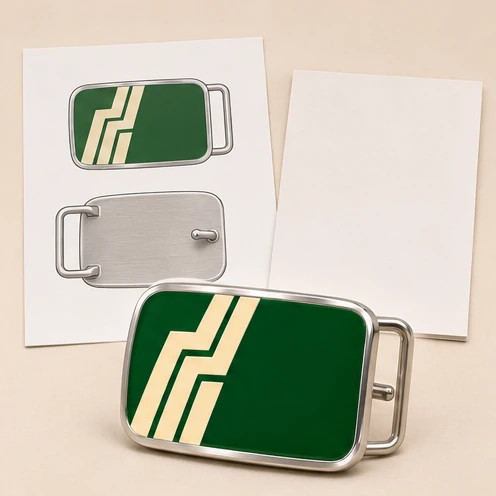
01 / Buying brief
You: Send the belt collection, artwork, version quantities, destination, requested date and any required belt inclusion.
We: Review the belt reference and buying program; record the complete supplied assembly and scope questions.
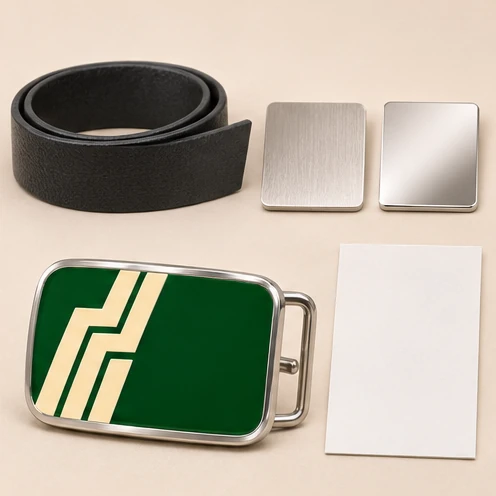
02 / Specification agreement
You: Approve the body, working reverse, material and finish; identify belt-fitting and required evaluation responsibilities.
We: Record sourcing, assembly and inspection roles, complete-unit inclusions, and quoted sample, tooling or assessment scope.
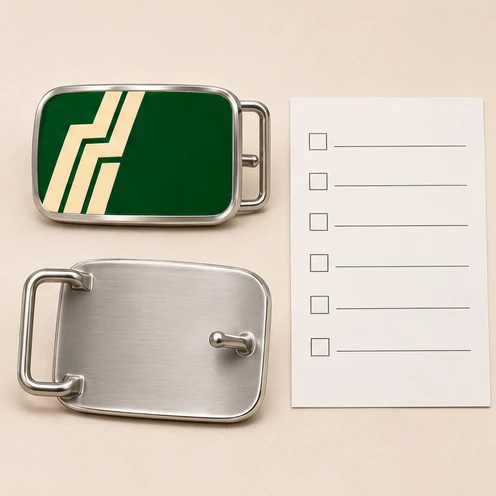
03 / Sample approval
You: Review the complete loose unit and fitted belt; approve appearance, edges, closure and normal release.
We: Record decisions against the sample revision and identify changed references requiring renewed approval before release.
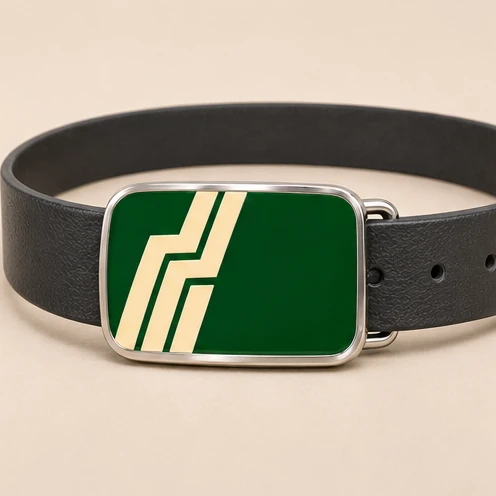
04 / Production release
You: Approve the final face, finish and back revisions with their complete-unit quantities, packing and receiving labels.
We: Confirm the inspection record and packing reference; agree the schedule with the reviewed production order.
05 / Repeat-order reference
You: Send retained references and flag changes to branding, belt material, thickness, holes or attachment before reordering.
We: Review affected approvals using the drawing, finish sample, component list and fitted-belt record before repeat release.
Illustrative project materials. Quantities, sampling and timing are specified for the order.
09 / FAQ
Planning a wholesale belt buckle order?
Source belt buckles wholesale as complete metal units with working back fittings. Develop the brand face and approve the strap interface, closure and normal release on your intended belt.
Do you supply complete working belt buckles?
Yes. We supply complete metal buckles with the working back fittings agreed for the project. Define the body, rear fittings and complete-unit quantity in the order. The exact metal, back architecture, component sources and assembly details are reviewed against the drawing and sample.
Is a belt included with the buckle?
Belt inclusion must be stated explicitly. A belt shown in a fitting image explains the working application; it does not add the belt to the supply automatically. The quotation and component list should distinguish complete buckles, any supplied belts and loose replacement parts.
Does the plate-style reference suit any belt?
The reference shows one proposed rear loop and fastening direction. Suitability depends on belt width, thickness, end construction and holes. Send the actual belt for review and identify every construction the approval must cover before treating one sample as interchangeable across the range.
What belt details should we send first?
Provide width and thickness at the attachment and fastening positions, using the actual belt or representative stack. Include folds, lining, reinforcement, the secured-end fold or fastener and any removable connection. Show hole size, spacing, engagement direction and tail path. Send fitting instructions and identify which belt variants the representative sample must cover.
How should we review closure and release?
Fit the complete buckle to the intended belt. Record threading, hook or stud engagement, closed position, tail path and normal release. Check clearance and contact at the plate perimeter, rear loop and fastening point. If several holes provide adjustment, identify the positions reviewed. Agree any extra operating or loading assessment separately, with its method and acceptance criteria.
Why does the reverse need approval after the face looks right?
The reverse controls belt attachment, clearance and fastening. Show the loop, fastening point, secured-end connection and their positions on the reverse drawing; add side views where needed. Retain it with the approved complete sample and face proof so a visually similar, unspecified working back cannot replace the approved assembly.
Are the back fittings made in your factory?
Complete-unit supply is confirmed. The sourcing and joining arrangement for the specific back fittings is established during project review and recorded with the assembly responsibility. Our general factory processes do not, by themselves, identify the origin or method used for every proposed fitting.
Can different finishes use the same working approval?
Keep each finish identified and check whether its surface route affects the working contact or dimensions. Shared face artwork does not remove that review. Agree which completed samples cover the proposed finish versions and retain their appearance references with the same controlled construction.
What establishes a buckle's performance requirement?
Your intended use and agreed evaluation define it. Specify the sample, method, conditions and acceptance criteria for any requested corrosion, rubbing, loading or repeated-operation check. No universal rating, certified result or service-life claim is implied by the reference buckle or its appearance.
How do we avoid mixing similar buckle versions?
Assign a complete-unit reference to each approved face, finish and back combination. Carry it into the order, sample record and pack label. Separate loose spares and belts from the finished-buckle count, and identify fit-related changes even when the front design stays the same.
What should the buckle face and material brief show?
Dimension the face outline, corners and front-to-back profile. Show belt coverage and where the edges sit when worn, including artwork hidden by the closed belt or tail. State material requirements, weight direction and a physical appearance reference. Review these against the complete sample; the illustration does not establish an alloy or dimension.
Which records should we retain for approval and repeat orders?
Keep the controlled face and reverse drawings, finish reference, complete component list, loose buckle sample and fitted-belt approval. Record the belt versions examined and any separate test by sample and method. A front photograph does not approve the working assembly. Flag artwork, belt material, thickness, hole or attachment changes so the affected approval is reviewed before release.
10 / ARTICLES
Related purchasing guidance.
A Supplier Onboarding Checklist For The First Purchase Order
Activate your chosen supplier for a first custom order. Assign the master record, approval package, purchase order acknowledgement and receiving handoff.
How To Match Metal Charm Finishes Across Parts And Lots
Approve a physical finish master that includes the separate parts, then use it to compare assemblies and decide whether to release a production lot.

How To Reorder Custom Metal Merchandise
Reconcile the approved sample and tooling record, identify substitutions, and set the checks needed for a repeat metal merchandise order.
11 / RELATED PRODUCTS
A different brief? Start with the right product.

Custom Metal Clothing Labels
Coordinate a separate fixed brand label for the garment collection.
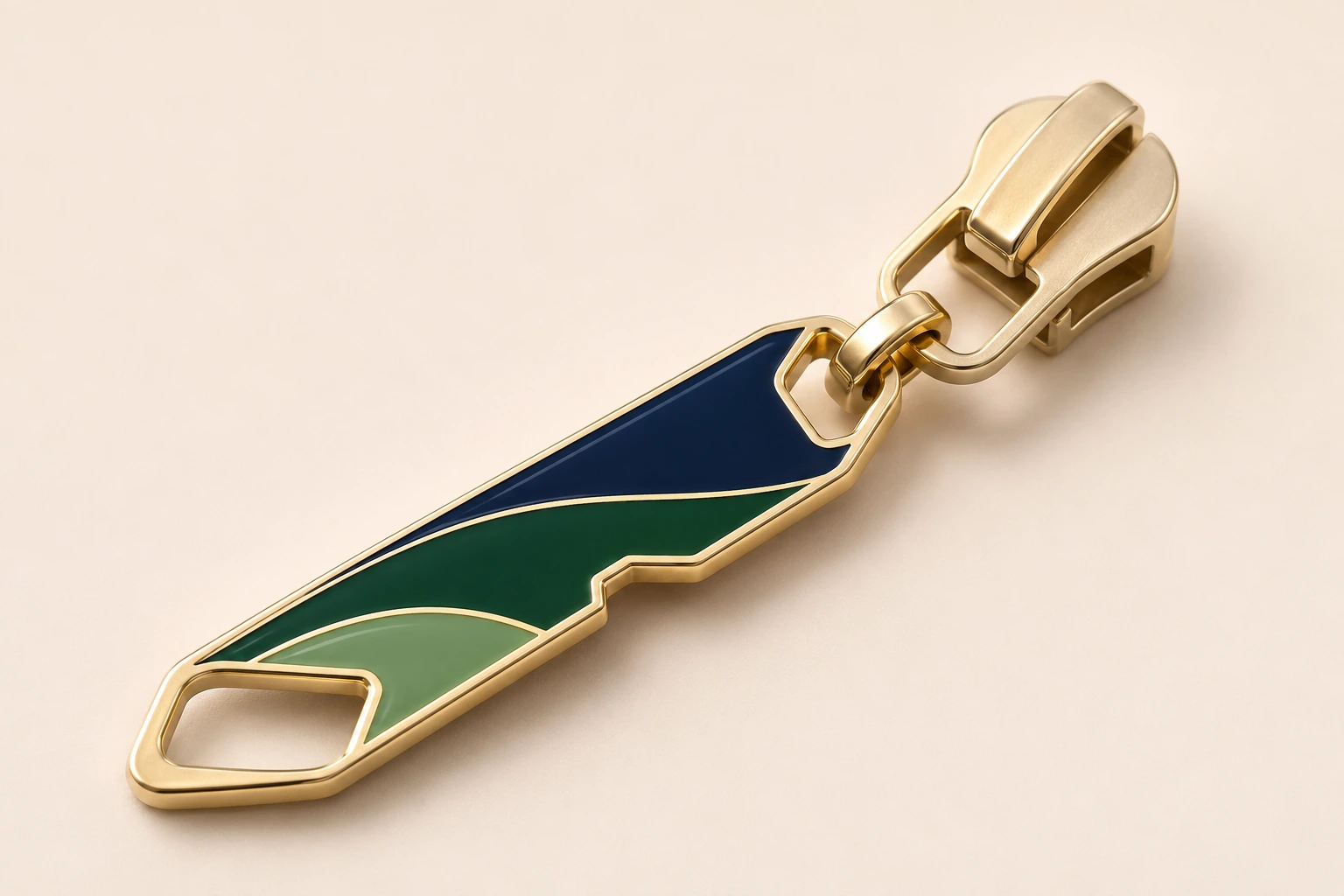
Metal Zipper Pulls
Specify related metal hardware around its actual slider and connector.
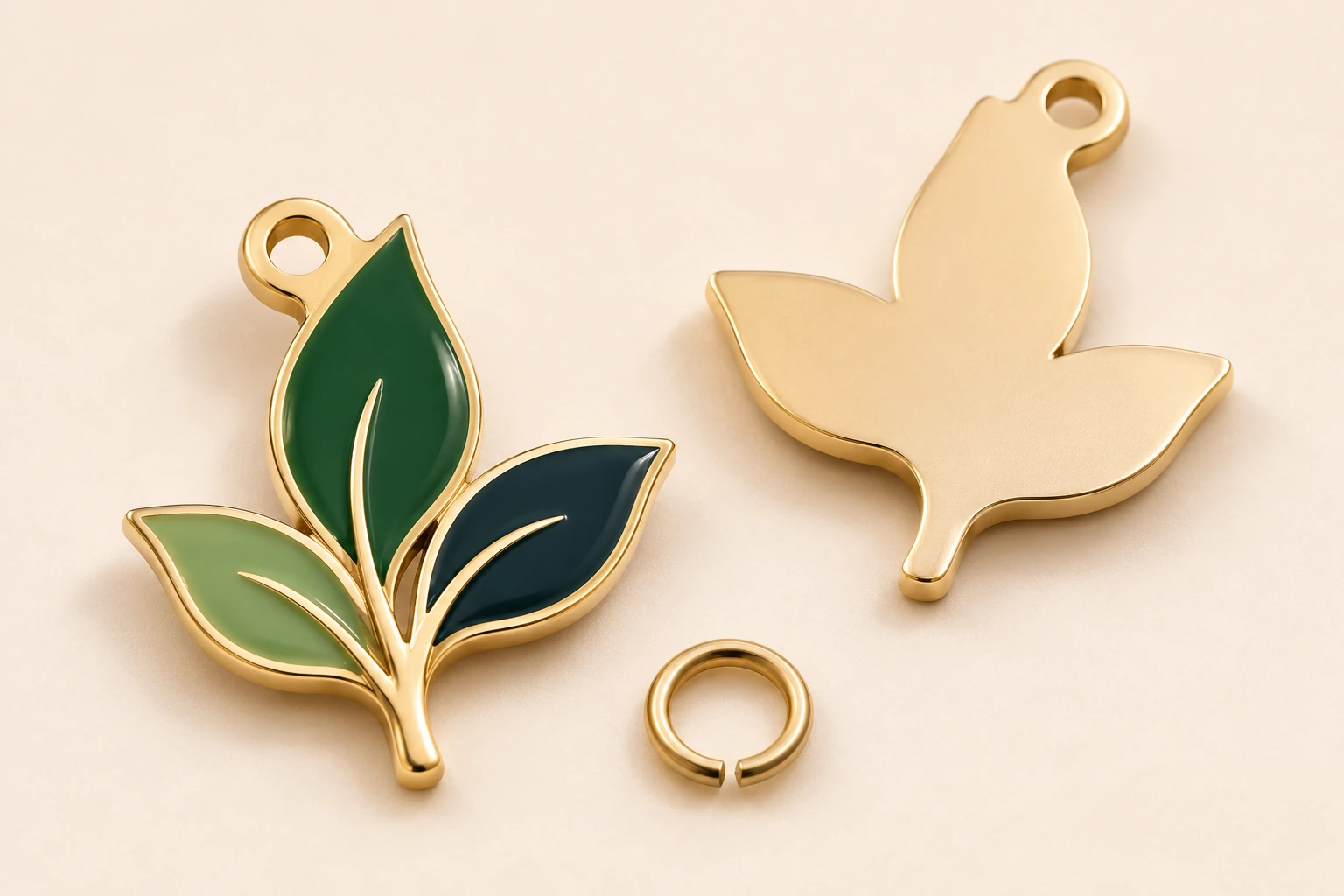
Custom Logo Charms
Develop separate decorative brand components with their own attachment brief.
Illustrative custom concepts, not stock products.
12 / ENQUIRY
Prepare your belt buckles wholesale enquiry.
Send the brand face, reverse reference and intended belt width, thickness, end construction and hole pattern. Include complete-buckle quantities by version, finish direction and destination. A physical belt sample helps define the working interface and sample review.
Email artwork and technical files to [email protected] with your project reference.
Identify the complete supplied assembly, optional belts or spares, packing and requested arrival date. The project quotation confirms the reviewed construction, minimum order, sample or tooling charges and schedule. State any required test method and acceptance criteria separately.
For artwork, drawings or other project files, please email [email protected] and include your project reference.
PROJECT BRIEF
Source Belt Buckles Wholesale for Your Brand