
Receiving Inspection For Bulk Enamel Pins
Your warehouse finds damaged pins in one carton of a bulk delivery. Receiving inspection helps you decide which stock can move.
Start with the approved sample and agreed plan. Record the lot result before the warehouse issues any stock.

Define What You Will Inspect As One Lot
Start incoming inspection when the delivery is recorded and before stock enters the pick locations. Match each group to purchase order and packing list.
A pallet can contain several versions for different teams or destinations. Open enough outer packaging to read inner labels before you assign inspection groups.
If the cartons share a finish but contain different orders, keep their references separate. A finish that matches one approved sample can differ from another.
Ask the supplier to identify any separate production runs that share the same carton labels. Record the answer on the receiving sheet before you pick samples.
Keep an unreadable or missing lot label with the affected package. Hold those units separately until you can connect them to an agreed inspection group.
For a multi-site delivery, name each carton group consistently on the receiving record. This lets your team isolate affected stock across locations without guessing.
| Receiving Record | Buyer Check |
|---|---|
| Order Line | Matches the artwork, variant and quantity due. |
| Lot And Carton IDs | Identify the production group and where you found each unit. |
| Matched Reference | Identifies the approved pin, finish, backing and pack version. |
| Stock Status | Separates uninspected, released and held stock by location. |
Set The Reference And Inspection Plan
Put the signed physical sample beside the drawing, purchase order and packing instructions. Mark which reference controls each check when those documents cover different features.
Use the approved front and reverse for appearance and assembly. Keep the drawing revision available for dimensions and any features the sample cannot confirm reliably.
Review finish and enamel under consistent lighting against the agreed reference. Write down the viewing method and record when light or angle makes a finding uncertain.
Agree sample selection, defect classes and the lot decision rule before the shipment arrives. Ask whose record controls if your team and the supplier inspect separately.
Record the sampling plan identifier, version, sample size and decision rule on the receiving sheet. Include how to count units with more than one finding.
When receiving samples across cartons, note the original package before removing each unit. Follow your plan for how to select positions and how many to inspect.
The production and quality overview provides context for pre-shipment checks. Ask for any available inspection record tied to the same shipment and lot.
The NIST handbook explains how acceptance sampling supports a lot decision. If your order uses AQL, record the agreed level and criteria for each applicable defect class.
Check that the plan still applies to the quantity actually received. If the lot size or plan inputs are unclear, hold release while you confirm them.
Classify Each Condition Against The Order
A defect class describes the effect on the agreed use of the pin. The same mark may affect a display surface differently from a hidden reverse.
Start with the agreed definition of a critical condition and isolate any suspected example. Escalate these findings to the named person who can assess the intended use.
Compare incorrect artwork, failed fittings and missing parts against your major defect definitions. Let the agreed criteria govern which findings prevent ordinary distribution or use.

Use your visual reference to judge smaller cosmetic conditions. For example, a rim mark may need different treatment depending on its position and approved appearance.
Record the actual condition before assigning the class. Note where you found it and how it differs from the reference under your viewing method.
When a unit has multiple conditions, record each finding distinctly. Use the plan’s counting rule when deciding how the unit contributes to the lot result.
Separate The Finding From Its Severity
For a possible clasp problem, note whether the post is bent or the clasp fails to seat. Then compare that finding with the agreed definition.
Inspect The Finished Pin And Its Pack
Start with the artwork revision, main colors and finish. Compare the complete piece before checking individual details such as fill, metal edges and surface marks.
Turn the pin over and confirm the back and post arrangement. Compare orientation, alignment and seating to the reference using your agreed assembly checks.
Use the backing approval guide when your order uses more than one garment or mounting material. Keep each application linked to the correct result.
Check the inner pack label against the actual units you opened. Confirm that the artwork, clasp and card in the finished pack belong to that variant.
If the pin presses against a sleeve, inspect neighboring contact points under the same lighting. Record any visible product marking separately from an enclosure issue.
Return inspected stock to its labeled carton or the designated hold tray. A pin put into the wrong group can break traceability for later checks.
- Record lot, carton, order line and drawing revision.
- Check artwork, finish, enamel, edges, rear hardware and the agreed finished pack.
- Capture the checked quantity and number of nonconforming units by the approved method.
- Separate doubtful units and record who will review the result.
Give each finding a unit reference within the sampled carton. Ask the second reviewer to check disputed findings against the same lighting and reference.
Decide Which Stock Can Move
Compare the recorded findings against the agreed release rule for each class. Review the completed inspection before the warehouse changes the stock status.
Treat early observations as findings until your plan allows a decision. A favorable partial count alone offers little support for releasing the remaining units.
Record separately any lot awaiting evidence, sorting or a documented exception. Set the approval owner and due time next to that stock status.
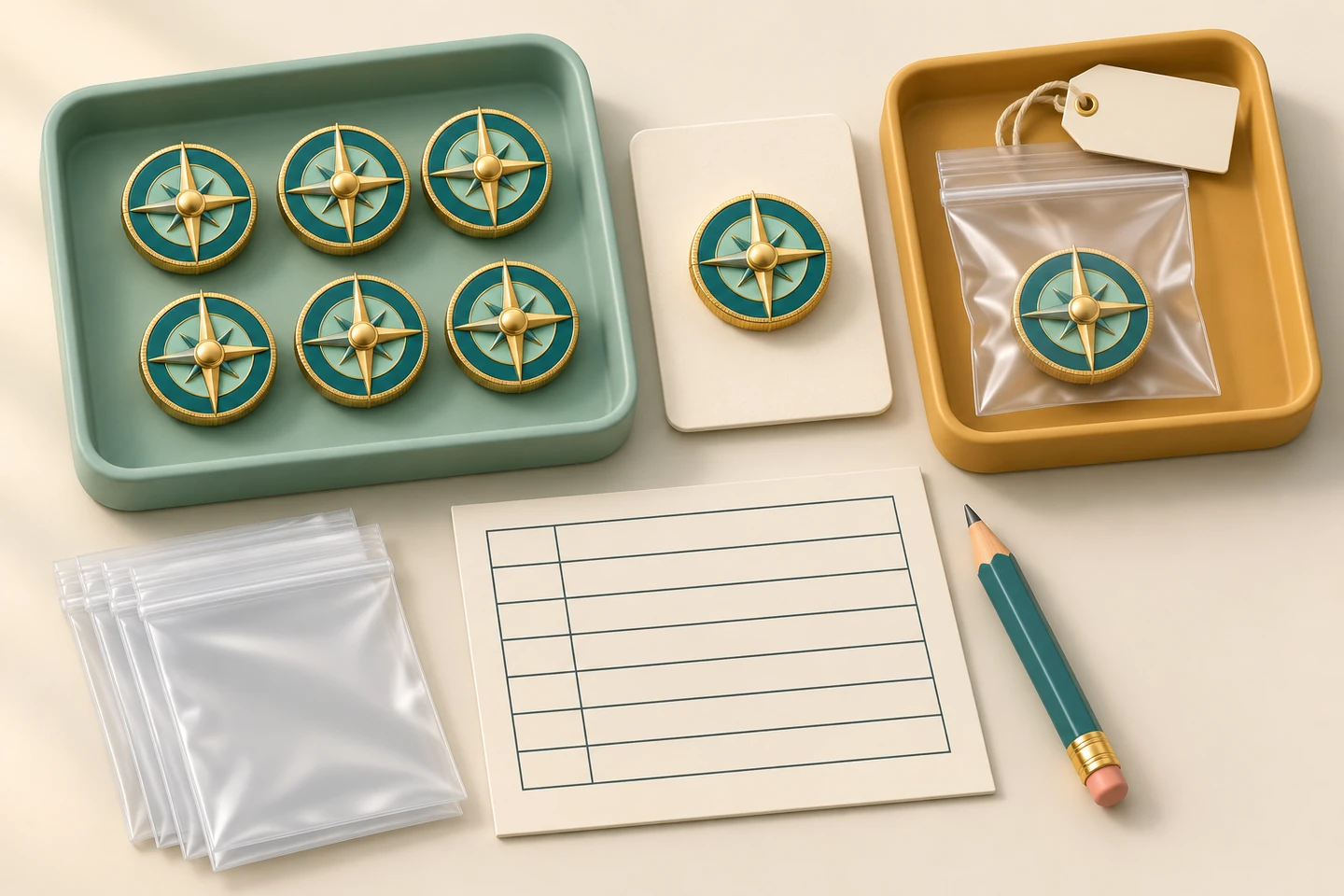
One documented example could list Lot A as released after inspection and Lot B as held for a wrong reverse marking. Release applies only to Lot A.
In this example both lots have complete samples under the agreed plan. Record each count beside its class limit and keep the two decisions separate.
If the lots were mixed before that finding, establish which pieces can still be traced. Hold the unresolved stock while your team checks labels and movements.
Do not quietly change the sample size after a failed check. Follow your written escalation or resubmission rules and retain the original outcome.
When your approved plan permits another sample, record which rule triggered it. Your receiving record should show both results and how they support disposition.
Write A Record The Supplier Can Act On
Put the purchase order, receiving date, supplier lot and carton IDs on each report. Include the physical reference identifier and the revision of the inspection plan.
Use one close image for the observed condition and a second image showing where it appears. Photograph the retained sample under comparable conditions if that helps.
State how many units you inspected and how you counted affected units. Include the written decision and distinguish it from any proposed corrective work.
The supplier may ask for an affected piece or more information about a carton. Agree how to retain it while your warehouse keeps the stock segregated.
If you agree a sort, record the method, accepted group and held group separately. Reconcile their counts to the received quantity before issuing a new release.
A purchasing exception needs a named approver, evidence and a defined stock boundary. Link the approval to the lot so a later shipment uses its own criteria.
| Decision Field | Record Before Release |
|---|---|
| Lot Trace | Purchase order, SKU, revision, lot and carton IDs. |
| Sample | Plan version, units checked and class counts. |
| Decision | Agreed threshold, result, time and named approver. |
| Held Stock | Location, quantity, reason and review owner. |
Close The Receiving Handoff
Give the warehouse the approved stock status and the lot references behind it. Keep the same references on the labels used for internal transfers.
If teams will receive several revisions, send each unit group with the correct record. Confirm the destination team knows which changes to report.
Record the balance still on hold after any partial release. Assign responsibility for deciding when that stock can move and updating the count.
Capture the final receiving outcome before closing the purchase order. Keep accepted amounts, held items and replacements visible until your inventory and order records agree.
Keep original records and any follow-up evidence together. A future buyer can use them to see whether tighter review, clearer labels or a revised sample is needed.
If a concern recurs, take one actual example and its agreed reference into your next review. Use the documented issue to update the inspection brief.
Frequently Asked Questions
Should I Count A Damaged Carton As A Product Defect?
Record carton damage at receipt and keep those pieces traceable. Inspect the products inside under the agreed plan. Whether the carton itself fails depends on the packaging requirements and its intended use.
What If The Supplier Used Different Lot Codes?
Ask for a written cross-reference to your purchase order, shipment and approved references. Check it against the inner and outer labels. Keep stock apart until your receiving record can trace each affected group.
Can We Inspect Every Piece Of A Small Lot?
You can agree a complete inspection for a small run or a specified concern. Record the checks, units and findings as you would for a sample. Keep any destructive or otherwise incompatible checks separate.
May We Treat A Replacement Shipment As The Same Lot?
Record the shipment as received and establish its traceability first. Ask the supplier whether it came from the original inspected lot or another production run. Apply the agreed release conditions to the replacement stock.
What If A Customer Needs One Design Immediately?
Check whether that design forms an independently traceable lot with its own completed inspection. If it qualifies, get the named approval for that lot. Keep any uncertain or affected stock on hold.
Can A Photo Replace A Retained Sample?
A photo is helpful for locating a finding or tracing a carton. For features affected by lighting, viewing angle or handling, agree what physical reference your team needs. Document any alternate review method before relying on it.
Final Thoughts
Bring your approved sample, lot plan, and acceptance criteria to the order review. For a new project, see our custom enamel pin manufacturing options or share your inspection requirements with us.