


FIXED GARMENT BRAND LABELS
Custom Metal Clothing Labels
Custom metal clothing labels for apparel brands, garment factories and trim buyers. Define the brand face and sewing interface together, then approve the label on the intended fabric before releasing the order.
Illustrative first-sample direction. Dimensions, metal, sewing holes and surface route require project review.
02 / PRODUCT DETAILS
Give the garment factory a complete label specification.
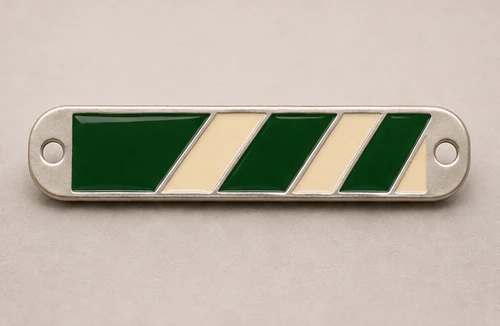
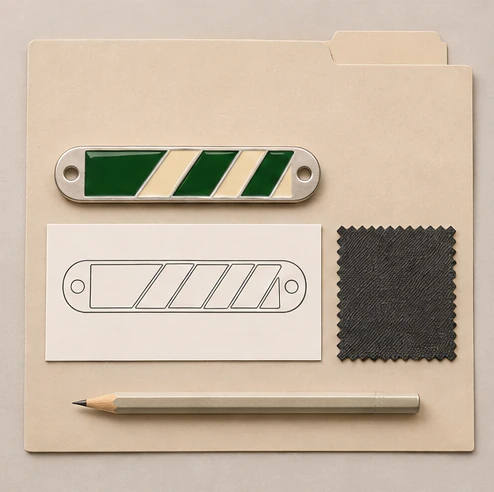
The reference is a compact, long metal label with rounded corners, a flat reverse and one open sewing hole near each end. A restrained green-and-cream geometric center illustrates the brand area. The holes and surrounding metal must be considered with the thread path and fabric beneath them.
Front face
Review the approved artwork, outline and visible metal boundaries.

Structure reference
Review the physical interface against the intended material and sample.
Reverse face
Review the reverse, contact areas and supplied construction.
Illustrative first-sample direction. Dimensions, metal, sewing holes and surface route require project review.
03 / ARTWORK
Keep the logo and sewing drawing on the same revision.
Send the approved brand artwork with a view of its intended position on the garment. A face proof and a fitting drawing answer different questions, so retain both in the sample approval record.
Email artwork and garment drawings to [email protected] with the project reference.

Hole and thread drawing
Show both holes in the front and reverse views. Record the thread path, stitch direction and spaces that must stay open after the selected finish is applied.
Color and style register
Separate artwork changes from finish changes. Assign a version reference to each combination and identify which garment styles receive it. Keep the approved color reference with that record.
04 / ENAMEL AND METAL
Approve the brand face on the proposed metal label.
The reference uses a small green-and-cream center surrounded by exposed metal. Surface development starts with the actual outline, hole layout and material. Review the suitability of each enamel route before selecting the production sample.

Soft enamel review
Recessed color can emphasize the raised metal boundaries. Check the fill beside narrow features and keep the sewing openings clear in the finished sample.

Smooth enamel review
Review a smoother enamel surface if that appearance suits the brand. Assess its feasibility on the chosen body and the definition left around fine details after finishing.
METAL FINISH REFERENCES
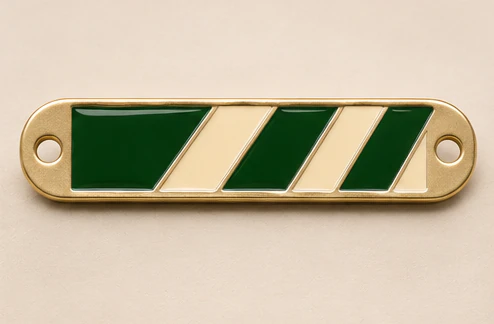
Gold-tone appearance
Use a physical metal reference beside the garment fabric and other trims. Check whether the warmth and brightness match the intended collection.
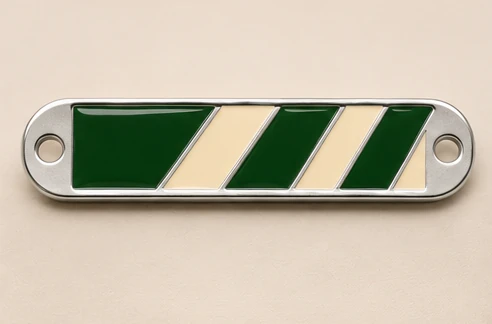
Silver-tone appearance
Compare the label with the garment's visible hardware. Review the outer edge and the contrast between the metal and the filled brand area.
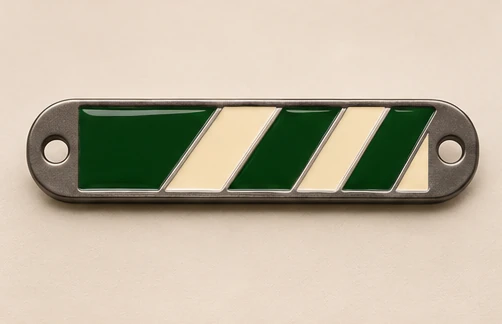
Dark metal appearance
Assess the logo boundaries under the lighting used for approval. Check that darker metal leaves the green-and-cream detail easy to distinguish.
The material, geometry and approved sample determine the available surface route. Any required wash or rub evaluation is specified for the project.
05 / PRESENTATION
Make each pack identifiable at the sewing line.
Packing should preserve the approved face and keep garment versions organized. Agree how many labels belong in each inner pack and how the receiving team will identify them.

SAMPLE REVIEW
Pack type, quantities and labels are agreed with the order and checked on the packing sample.
06 / FACTORY
From tooling to packing. In our own factory.
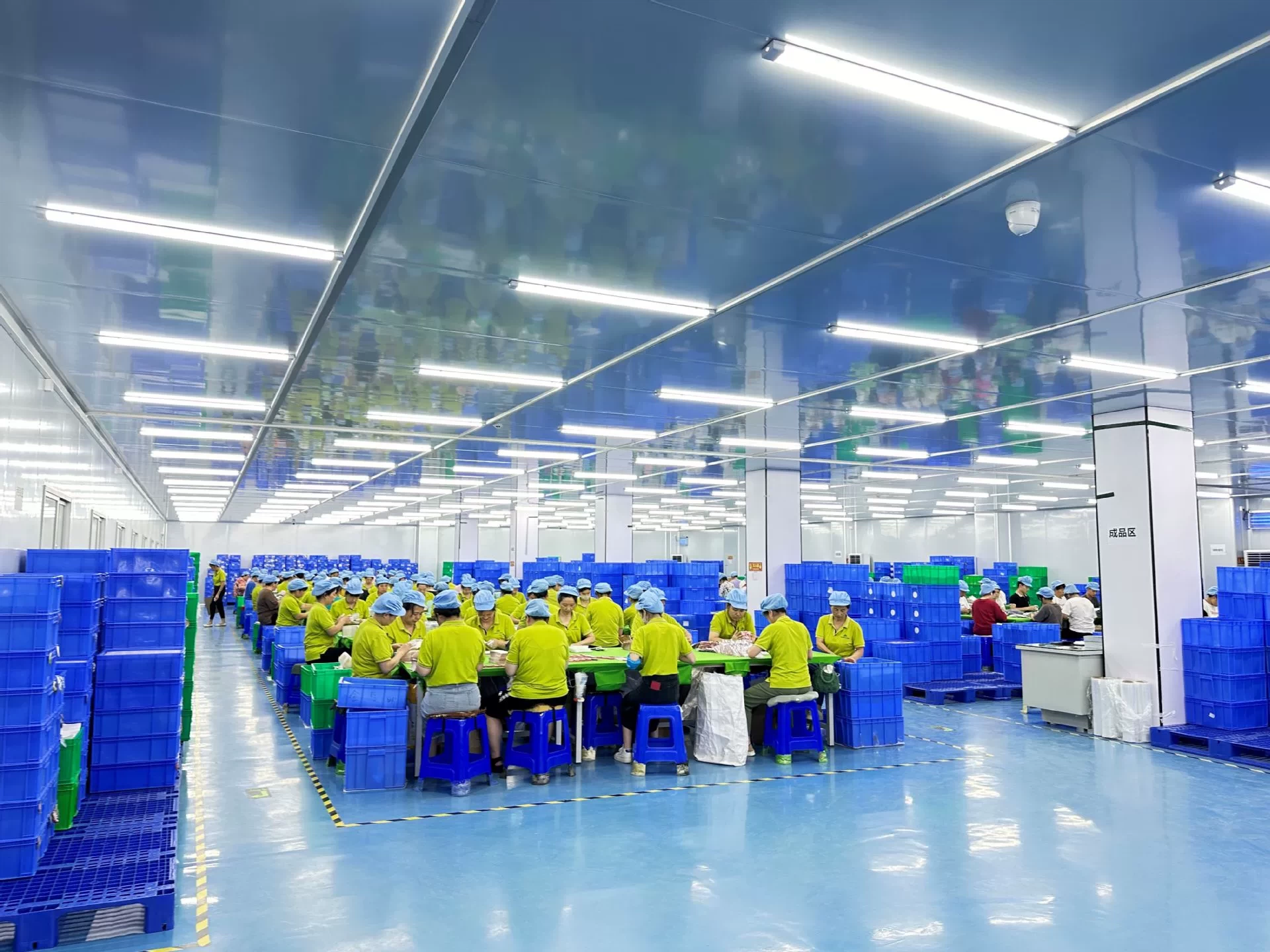
Green Frog Supply is operated by HANGZHOU FORTHRIGHT TRADE CO., LTD in Hangzhou, China. Our factory carries out tooling, metal forming, colouring, polishing, plating, assembly, inspection and packing in-house.
The company archive photographs show established work areas. Review the proposed product route, sample and supplied state for this project.
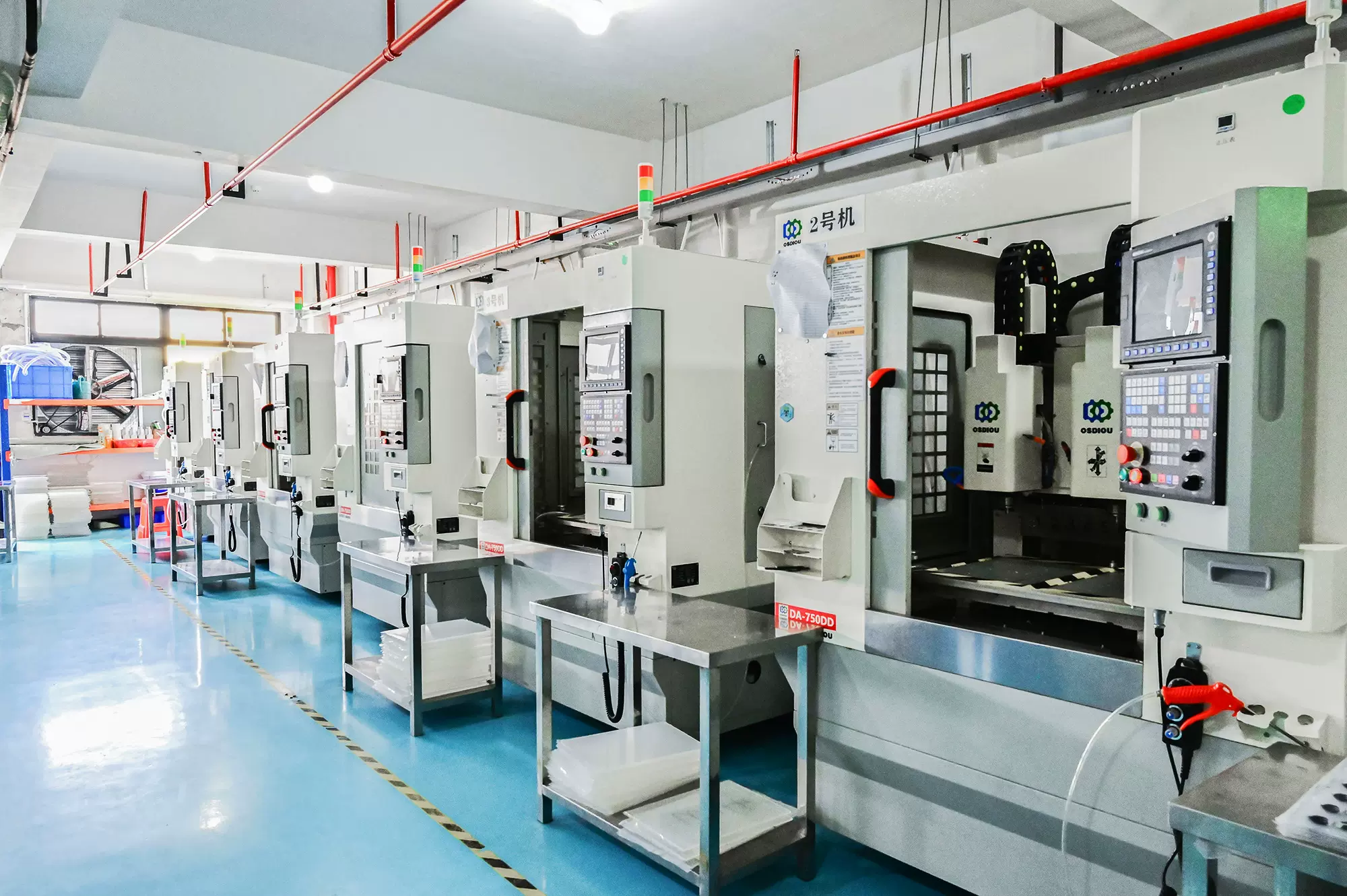
Tooling
Review the outline, brand relief and two-hole layout together. Resolve the metal surrounding each opening before releasing the tooling drawing.
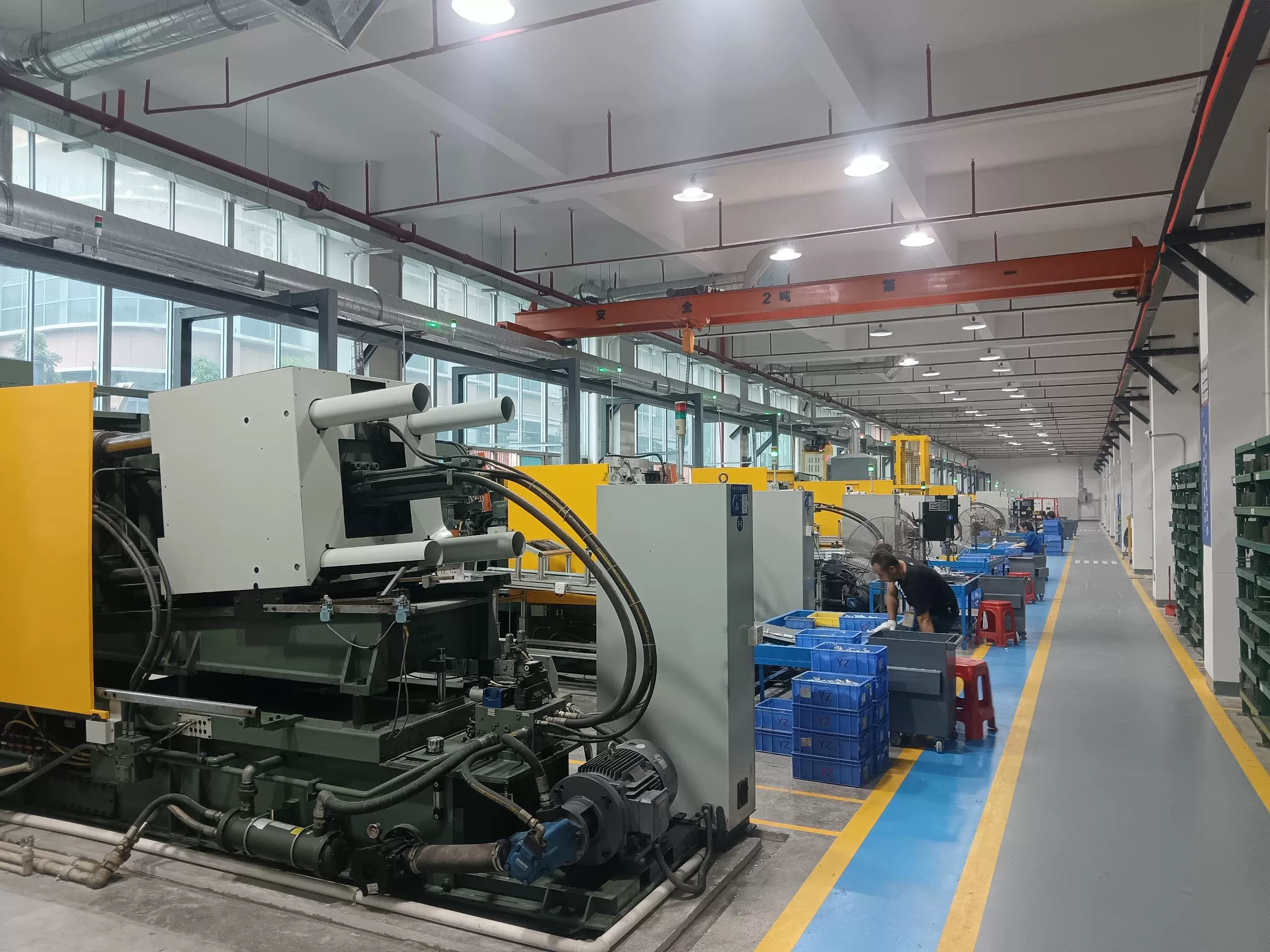
Metal forming
Check the proposed body against its dimensions and profile. Review the straight sides, rounded corners and reverse that will rest on the fabric.
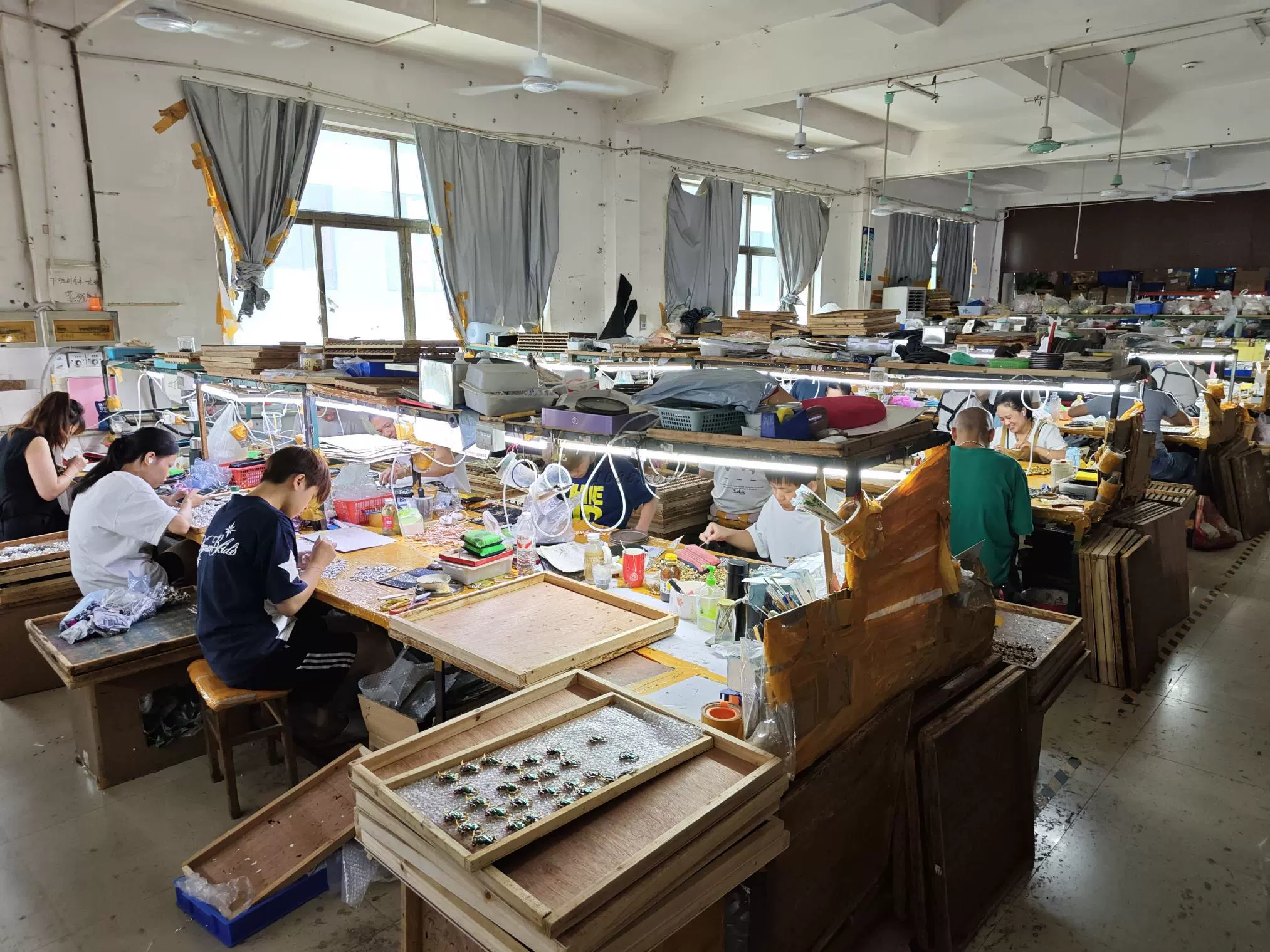
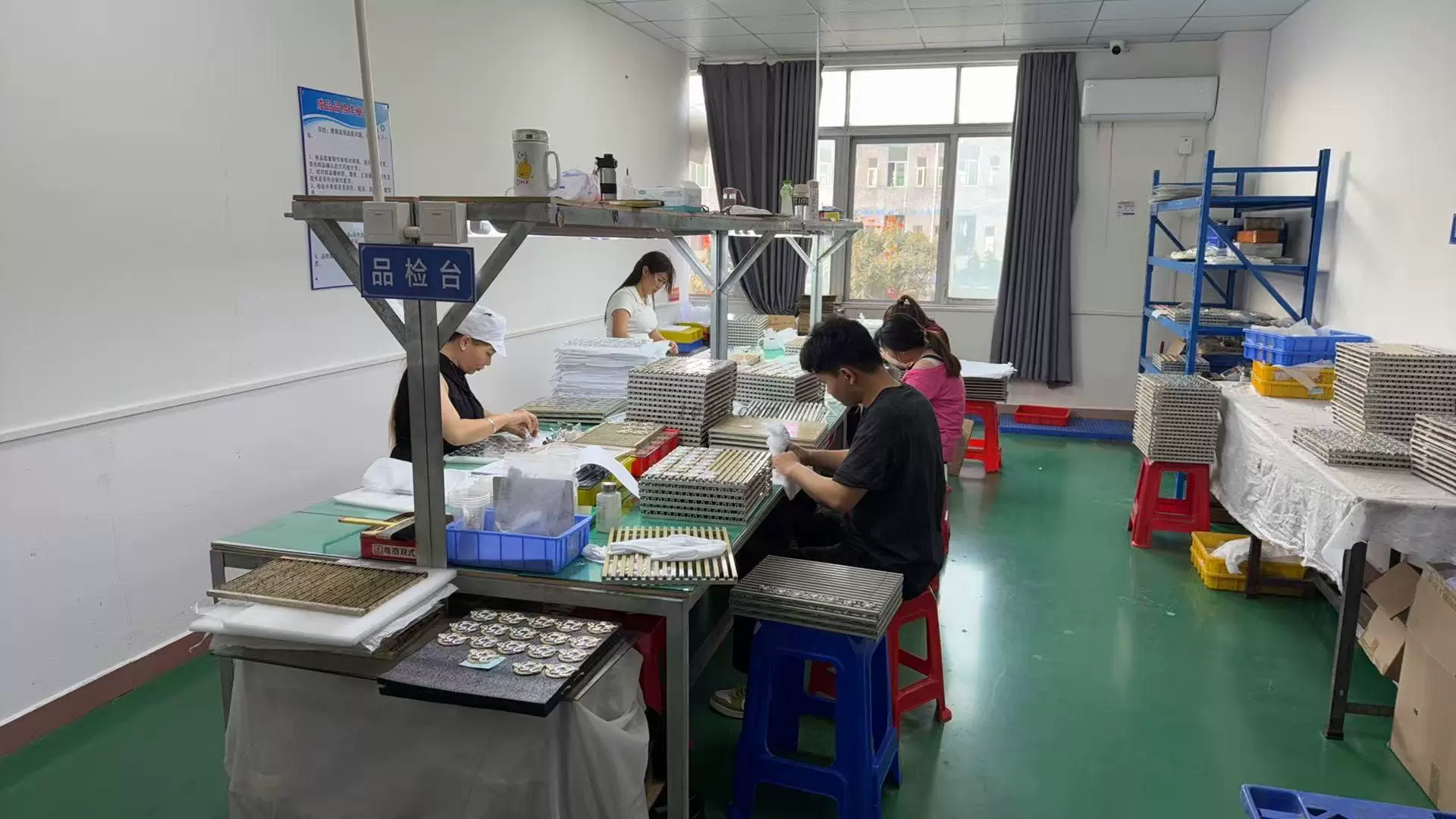
Manual work area
Company archive view of manual small-part work. Review the proposed enamel route separately against the approved sample.
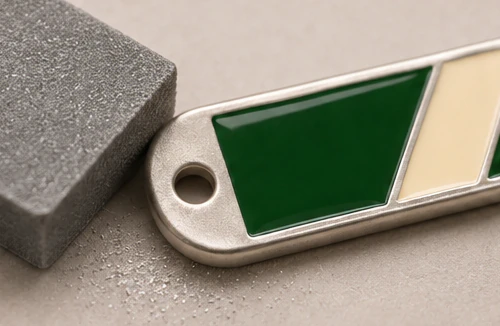
Polishing
Review the perimeter, both hole edges and the flat back. Record the accepted finish on the areas that touch fabric and sewing thread.
Plating
Compare the face, sides and hole edges with the approved appearance. Recheck the completed openings against the fitting drawing.
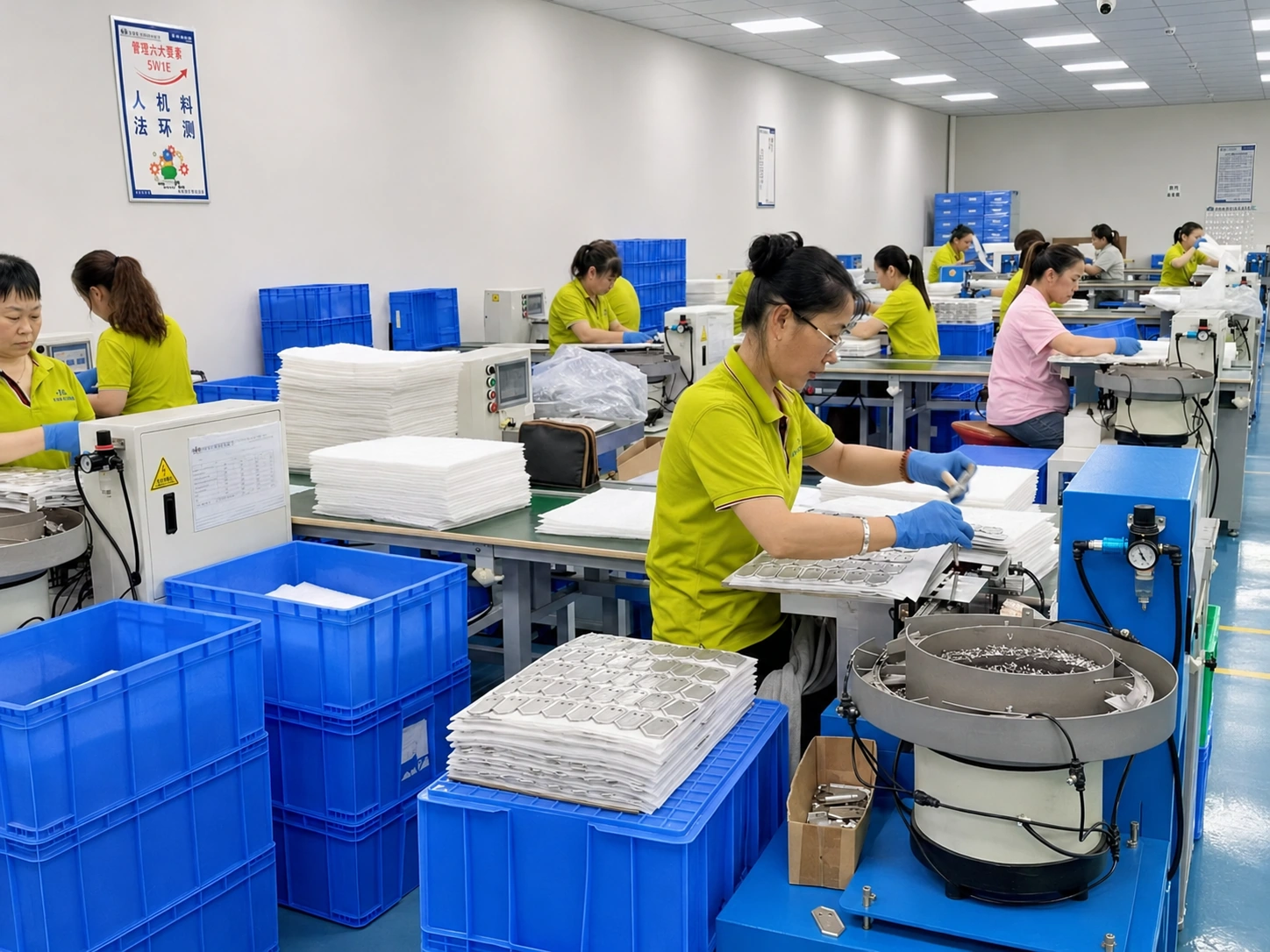
Assembly work area
Company archive view of small-part assembly. The metal label is a separate component; garment sewing responsibilities are agreed with the receiving factory.
Inspection
Build the inspection record around the signed sample. Include hole layout, flatness, brand detail, finish and the agreed checks on the sewn label.

Packing
Keep different artwork and finish versions identifiable. Protect the faces from adjacent metal parts and reconcile the quantities against the order.
Company archive photographs identify general work areas. Product process and packing images are illustrative references for discussion.
07 / PRODUCTION
Develop the label through the relevant factory stages.
Our own-factory scope includes tooling, metal forming, enamel coloring, polishing, electroplating, assembly, inspection and packing. The label drawing and sample establish how those operations apply to this garment component.

01 / Tooling
Review the outline, brand relief and two-hole layout together. Resolve the metal surrounding each opening before releasing the tooling drawing.
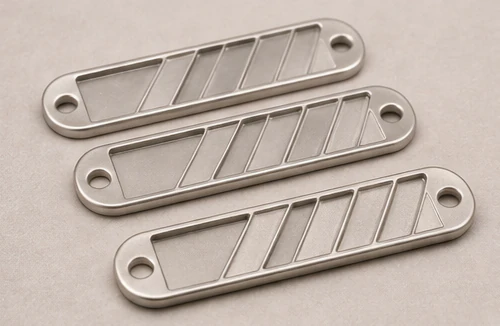
02 / Metal forming
Check the proposed body against its dimensions and profile. Review the straight sides, rounded corners and reverse that will rest on the fabric.

03 / Coloring
Compare the filled areas with the approved artwork and color reference. Check boundaries around the geometric center and any narrow exposed metal.
04 / Polishing
Review the perimeter, both hole edges and the flat back. Record the accepted finish on the areas that touch fabric and sewing thread.
05 / Plating
Compare the face, sides and hole edges with the approved appearance. Recheck the completed openings against the fitting drawing.
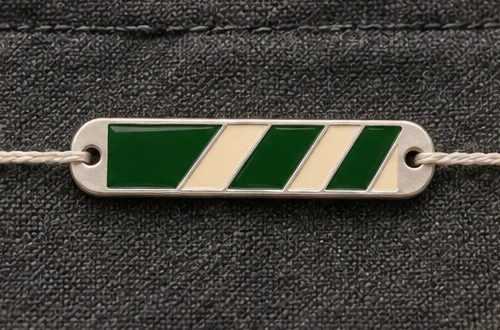
06 / Assembly review
Use a fitting sample with the intended fabric and stitch arrangement. Agree who prepares the sewn sample and who accepts the placement and thread clearance.
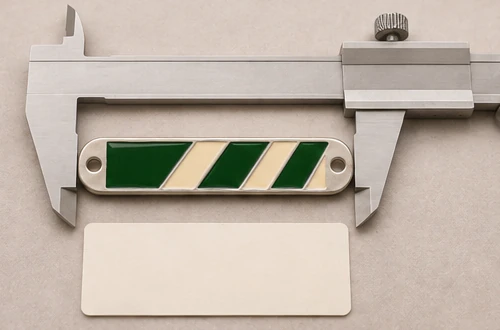
07 / Inspection
Build the inspection record around the signed sample. Include hole layout, flatness, brand detail, finish and the agreed checks on the sewn label.
08 / Packing
Keep different artwork and finish versions identifiable. Protect the faces from adjacent metal parts and reconcile the quantities against the order.
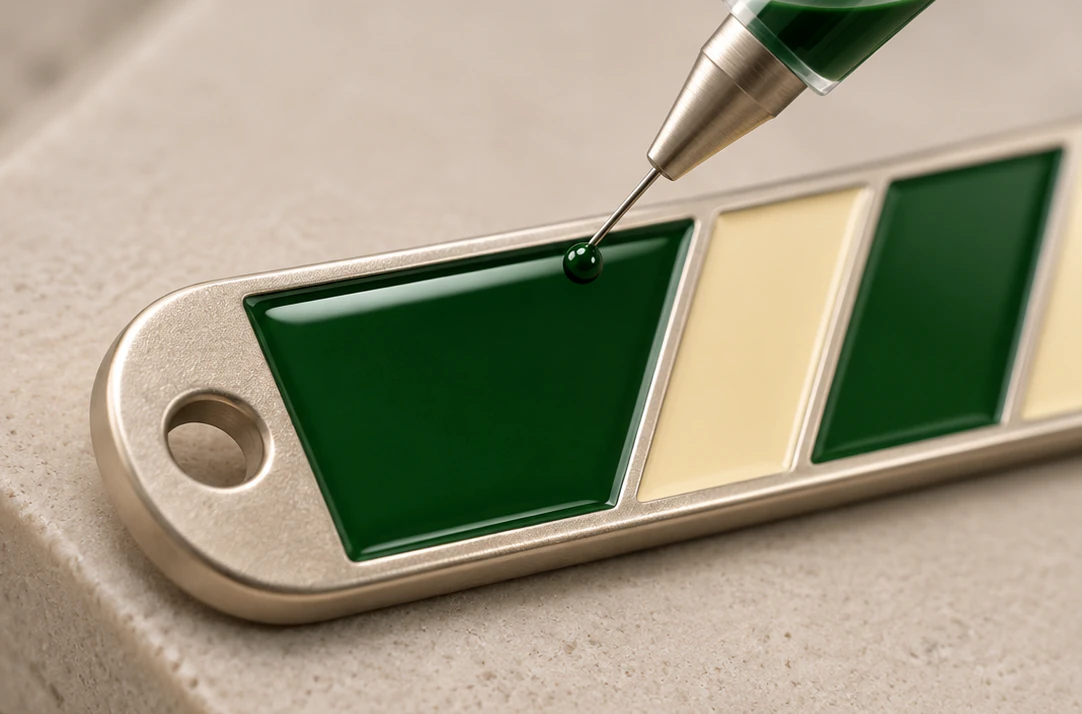
Soft enamel review route
Recessed color can emphasize the raised metal boundaries. Check the fill beside narrow features and keep the sewing openings clear in the finished sample.

Smooth enamel review route
Review a smoother enamel surface if that appearance suits the brand. Assess its feasibility on the chosen body and the definition left around fine details after finishing.
A loose label sample and a sewn garment sample provide separate approval references. Keep their drawing versions aligned.
08 / COOPERATION
Prepare the order with the brand and sewing team.
The buyer releases the brand identity and the garment factory confirms the installation. Record both decisions before quantities are assigned to production.

01 / Project brief
Identify the collection, garment styles and label position. Send the logo, initial dimensions, quantities, destination and the fabric samples available for review.

02 / Specification
Agree the body, two-hole drawing, finish and sewing approach. Identify whether any backing patch is required and which party supplies and installs it.
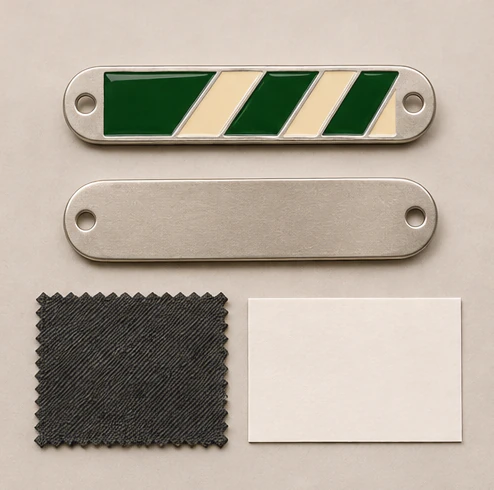
03 / Sample review
Review the finished label loose, then on the intended fabric stack. Check alignment, puckering, thread contact, the reverse and the perimeter at the agreed garment position.

04 / Production plan
Release the approved revision and quantities by style and color. Confirm the sample standard, inspection points, packing plan and schedule with the order.

05 / Packing & dispatch
Confirm pack references and counts with the receiving factory. Keep replacements or spare quantities on separate order lines so they can be reconciled at receipt.
Illustrative project materials. Quantities, sampling and timing are specified for the order.
09 / FAQ
Planning a metal clothing label order?
Custom metal clothing labels for apparel brands, garment factories and trim buyers. Define the brand face and sewing interface together, then approve the label on the intended fabric before releasing the order.

What is included in a clothing-label order?
Define the metal labels, versions and protective packing in the order. If your garment construction needs a backing patch or another supplied item, list it separately for review. The reference direction is a metal component with two sewing holes.
Does the garment factory sew the labels onto the clothing?
Identify the installer in the project brief. Agree who supplies the fabric and thread, prepares the sewn sample and approves the finished placement. The label specification and the garment factory's sewing instructions should refer to the same revision.
How should we specify the two sewing holes?
Show each opening's dimensions and center position on the drawing. Add the thread route and the required clearance from the outer edge and brand detail. Review the openings again on the finished sample with the intended stitching.
Why is an actual fabric sample needed?
The fabric stack affects how the label sits, how the stitches pull and what touches the reverse. A sewn sample lets the garment team assess puckering, alignment and contact at the proposed location. Include any lining or reinforcement used there.
Can the same label be used on every garment style?
Compare the mounting positions, fabric stacks and available sewing space for each style. Group styles only after the fitting review supports that decision. Record any style that needs its own label dimensions or sewing instructions.
How do we assess the back and hole edges?
Inspect the loose sample by sight and touch, then examine the sewn example with the actual thread and cloth. Record any catching, visible pressure marks or difficult thread movement. Use the accepted sample as the reference for the batch.
What washing performance should we specify?
Provide the garment's intended care instructions and any required evaluation method before sample approval. Agree who carries out the checks and how results will be accepted. The label's appearance after an agreed trial becomes part of that project's review.
How are the enamel and metal colors approved?
Send the brand color references and a physical trim reference where matching matters. Compare the finished label beside the garment fabric. Keep the approved metal appearance and filled-color sample identified with the artwork revision.
How do we order several logos or finish versions?
Make one order line for each approved artwork and finish combination. Include the garment style codes and required quantities. Use those same references on drawings, samples and pack labels so the receiving team can separate the versions.
Which changes need review before a repeat order?
Flag changes to the logo, outline, holes, finish, garment position or fabric stack. Provide the previous drawing and sample reference with the new order. Review the affected details and update the version record before releasing the revised quantity.
10 / ARTICLES
Related purchasing guidance.
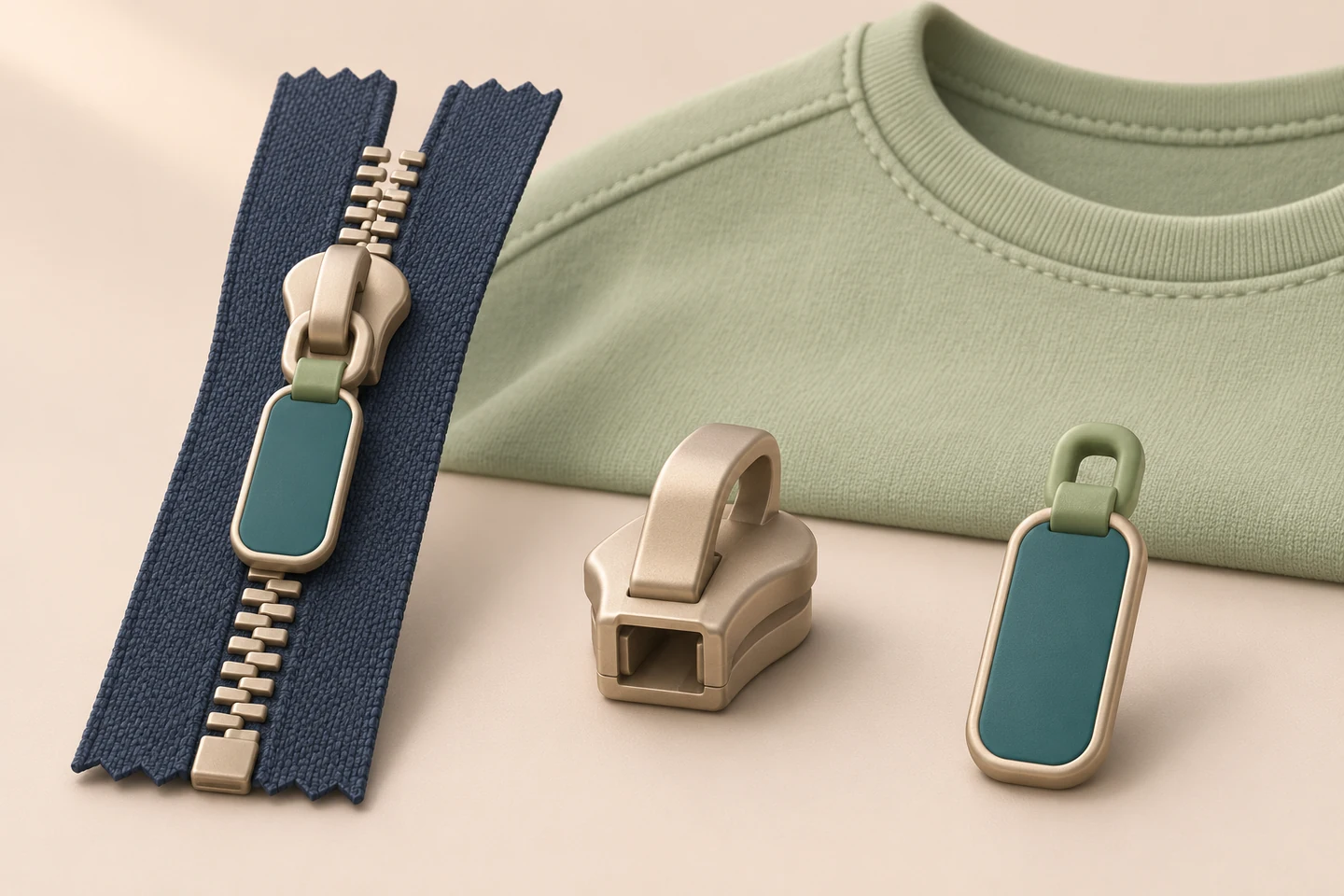
How To Compare Zipper Pull Suppliers For Apparel
Decide which zipper parts you need, give suppliers the actual slider, and compare what each quote includes before approving an installed sample.
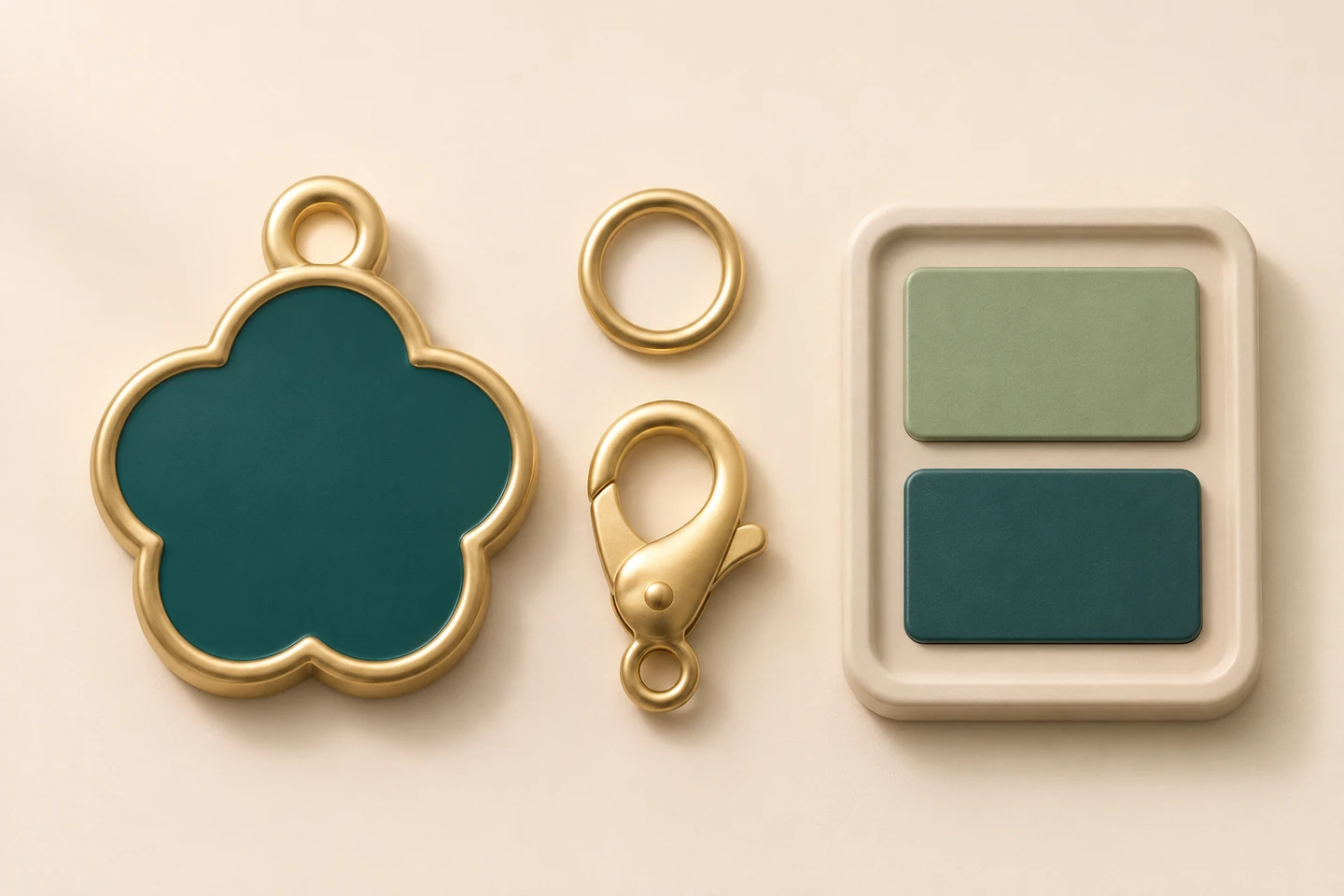
How To Match Metal Charm Finishes Across Parts And Lots
Approve a physical finish master that includes the separate parts, then use it to compare assemblies and decide whether to release a production lot.

How To Reorder Custom Metal Merchandise
Reconcile the approved sample and tooling record, identify substitutions, and set the checks needed for a repeat metal merchandise order.
11 / RELATED PRODUCTS
A different brief? Start with the right product.
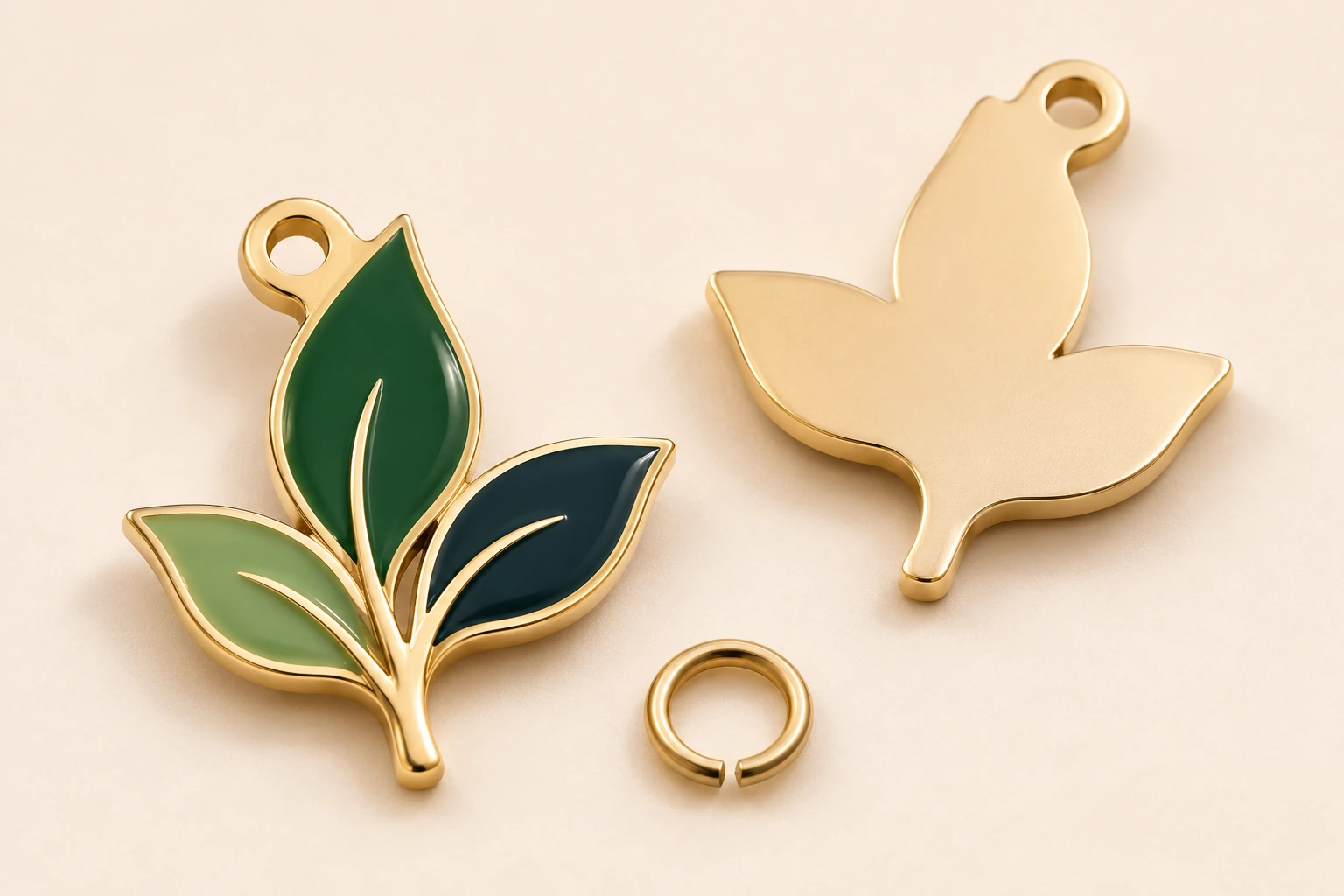
Custom Logo Charms
Develop hanging brand-logo components for other accessories in the same collection.
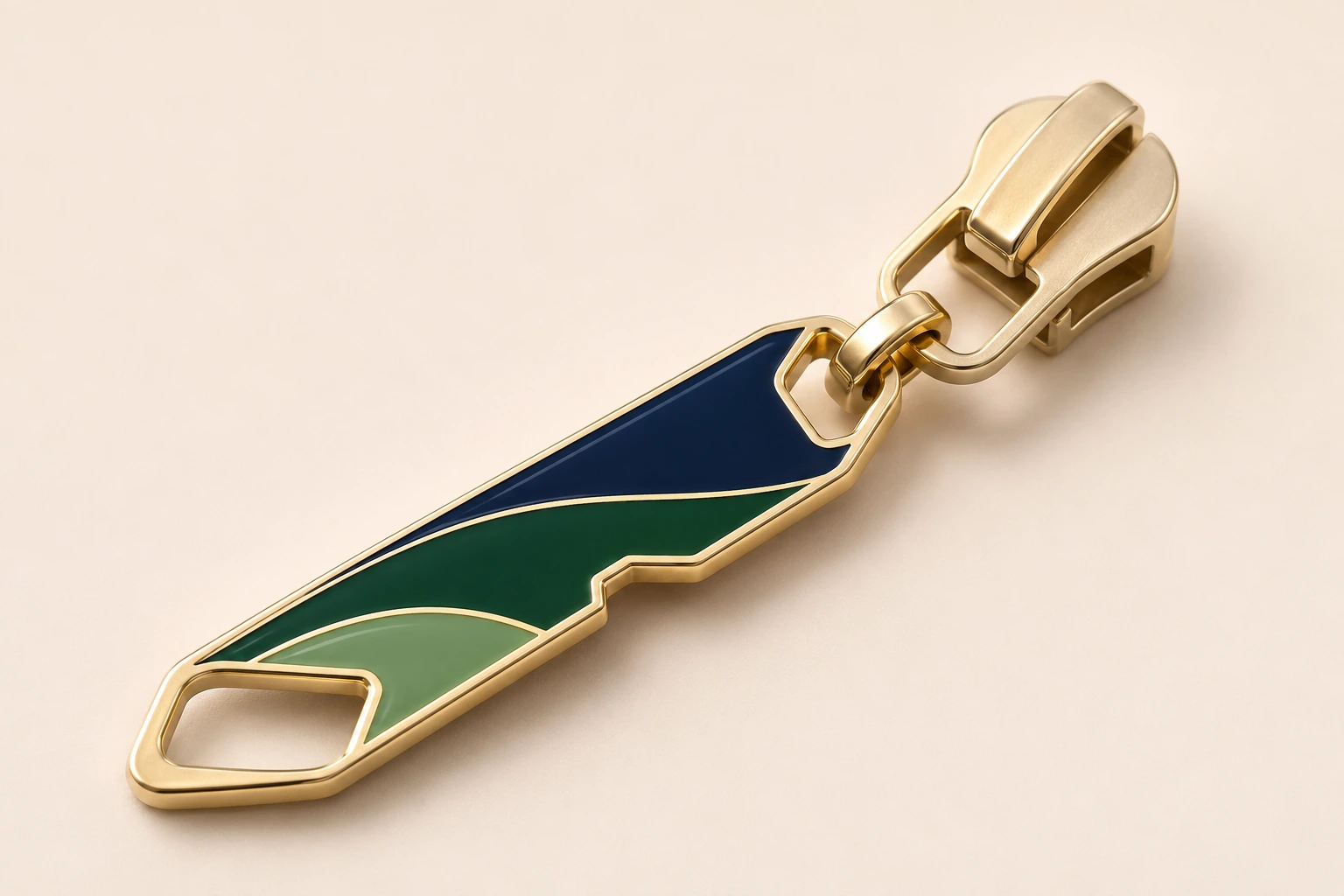
Metal Zipper Pulls
Specify a garment's branded pull together with the intended slider connection.

Company Logo Pins
Extend the approved brand identity to wearable pins for staff or company programs.
Illustrative custom concepts, not stock products.
12 / ENQUIRY
Describe your garment label project.
Send the brand artwork, intended garment position and estimated label dimensions. Include quantities by style, the fabric stack and the team responsible for sewing and sample approval.
Email artwork and technical files to [email protected] with your project reference.
List quantities by artwork and finish version, the delivery destination and the date you need the labels. The quotation confirms the minimum order, sample or tooling charges and production schedule after the specification is reviewed.
For artwork, drawings or other project files, please email [email protected] and include your project reference.
PROJECT BRIEF
Custom Metal Clothing Labels