
How To Reorder Custom Metal Merchandise
Your team needs another run of a pin, keychain or medal. The old invoice may omit the approved finish or hardware.
Collect your order history and retained sample. Check what the supplier can repeat and approve any change before production.

Find The Last Approved Build
Ask for the last purchase order number, invoice and shipment reference. Use those records to identify which order actually supplied the version you want to repeat.
Look for the approval messages and drawing revision linked to that order. Your last received shipment may contain revisions approved after the first samples were reviewed.
Find one retained pin, keychain or medal with a traceable sample reference. Match it to the order history before describing it as the production target.
If you have several identical-looking samples, compare their records and any packaging marks. Keep uncertain models apart while your team confirms which article was approved.
Ask the previous order owner whether final shipment approvals included temporary exceptions. Document those decisions without treating them as specifications for the next order.
For a geographically distributed team, name the person who can retrieve each piece of evidence. Link that person and the source location in your repeat brief.
| Evidence | What It Confirms |
|---|---|
| Order Reference | The supplier, previous quantity, handoff and version ordered. |
| Approved Drawing | The recorded outline, dimensions, artwork and attachment description. |
| Retained Sample | The physical appearance, assembly and fit your team accepted. |
| Change Record | Which deviations were approved and the orders they applied to. |
Confirm The Status Of The Tooling
List each part that may use its own tooling. A metal body, a separate keychain fitting or a medal insert can have different production histories.
Ask the supplier which tools are tied to your item and revision. Get a written status for availability, condition, location and use on the proposed run.
Find the original tooling terms, including any storage period and agreement about ownership. Specify who can authorise disposal, repair or release when renewal matters.
Ask for the supplier’s plan if an original tool is worn or cannot be located. Make any expected tool work a separate item on the quote.
If the drawing has changed, confirm whether the previous tool is still suitable. Ask how any adjustment would affect the approved geometry and first-piece review.
For a transfer, check who releases the tool and whether the receiving supplier can use it. Confirm what sample would be required to qualify the result.
Separate Tool Access From Production Approval
Available tooling answers only part of the repeat question. Ask which materials, finish references and assembly parts the supplier can match on the same run.
Record the date and source of the tooling confirmation. If your supplier confirms availability without inspecting the tool, identify that limitation in your brief.
Compare The Proposed Build With The Reference
Create a row for each feature that could change the finished order. Include the artwork, finish, attachment, packaging and anything tied to a previous approval.
Give the supplier the sample reference and ask for written confirmation row by row. Request a specific part name or photo if they propose an alternative.
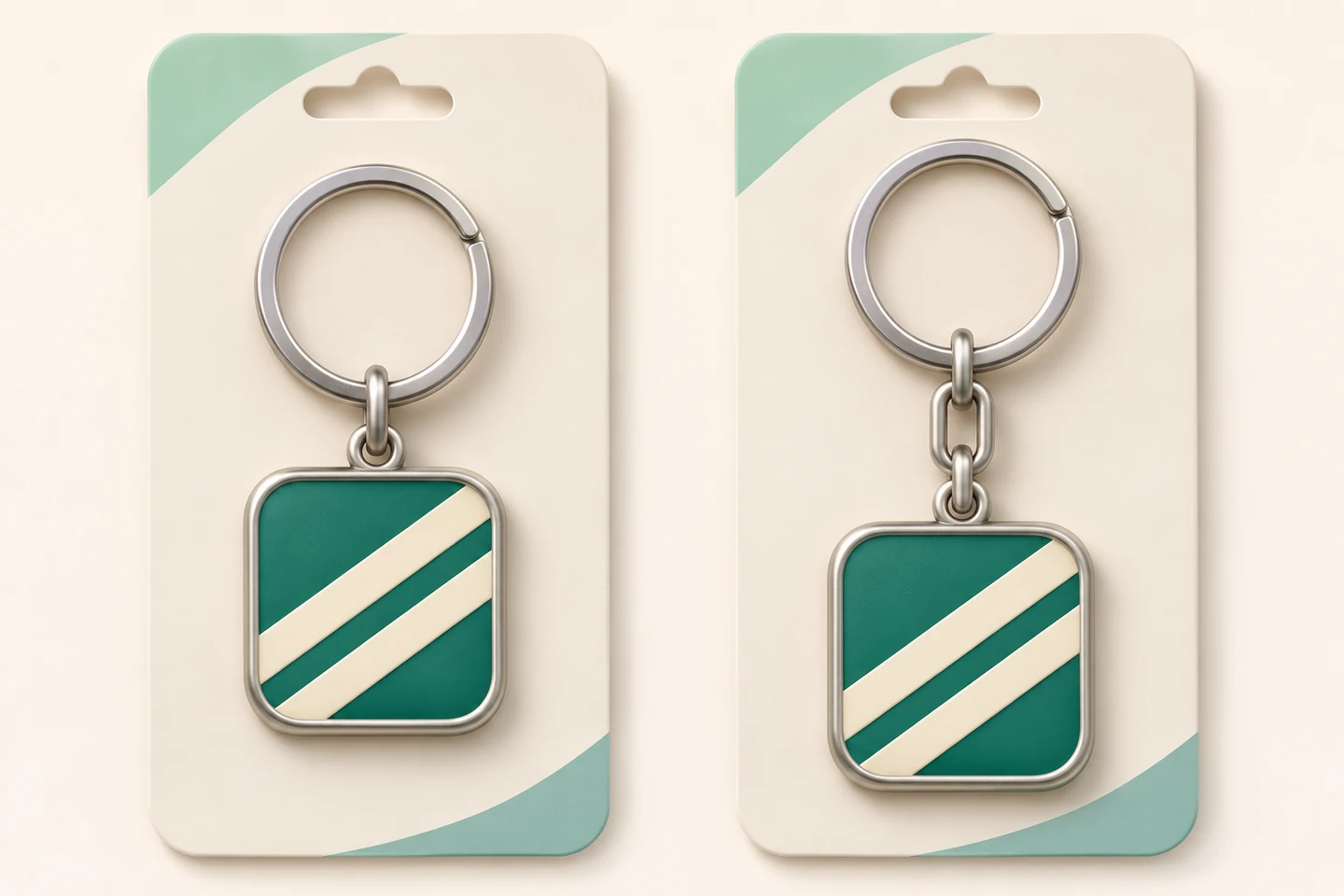
For a keychain, compare the attachment chain, ring and finished hanging length. A longer connector can change both handling and the way it fits into packaging.
For a pin, compare the post position and clasp with the sample. For a medal, check the ribbon, connector and reverse against the approved assembly.
Record the exact revision quoted for each option. Ask the supplier to flag components they cannot yet confirm before you choose an approval route.
If a finish reference is missing, agree the conditions for comparing physical samples. Write down which comparison controls the approval and how it will be recorded.
Check whether the last order included a substitution that your team accepted for a specific deadline. Ask for pricing and evidence for your current decision.
Choose The Evidence Required For Release
Agree the approval route before you accept the quotation. Use the kind of change and its effect on the buyer’s application to choose what to inspect.
If the supplier can show continuity for each essential feature, review that evidence against your records. Follow your own inspection plan even when no change is declared.
If a replacement connector changes fit, request an assembled sample before release. Review it with the actual presentation pack or item that it will attach to.
When a process, tool or supplier changes materially, identify the attributes affected by that change. Ask for evidence that lets your team qualify each of those attributes.
| Repeat Situation | Evidence Before Release |
|---|---|
| Documented Continuity | Match the previous sample, revision, parts and agreed receiving checks. |
| Hardware Substitution | Compare the proposed assembly against the original use and pack. |
| Tool Repair Or Replacement | Inspect relevant dimensions and details on a piece made with the tool. |
| New Supplier Or Process | Check affected features on an assembled reference approved for the new source. |
Use the manufacturer comparison guide if you are moving to another factory. Keep supplier selection and approval of the repeated product as separate decisions.
For example, a new ring may pass the attachment check but make the packed item too long. Record both outcomes before choosing whether to approve it.
Place The Order Against The Approved Reference
Use the latest approved drawing and sample code on the repeat purchase order. Attach the agreed differences and identify who approved each one.
Ask the supplier to acknowledge which version will be produced and which repeat references they will use. Record any still-open approval rather than assigning it automatically.
Confirm the amount and terms for new tooling, repair, components and samples. Make clear which charges recur and which are tied to this order only.
If the supplier splits a run, confirm how it will identify the approved version on each shipment. Use the same identifiers on your internal stock record.
Send the receiving team the approved repeat scope and expected arrival. Explain how to recognise any new component that differs from the first run.
Check The First Repeat Delivery
Choose the receiving samples through your agreed plan and keep their package references. Compare them with the sample tied to the current approved scope.
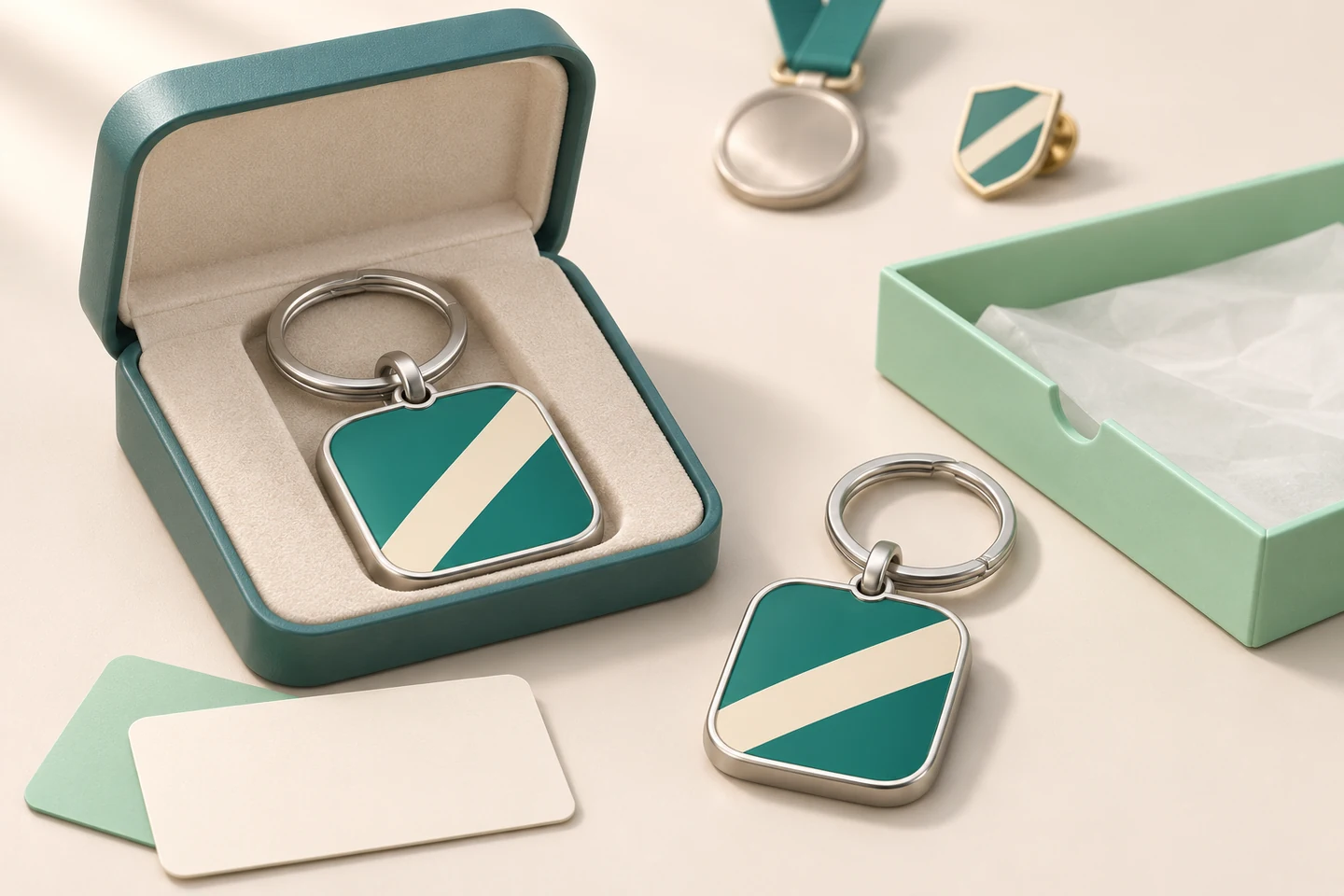
If you approved a component change, inspect it in place before combining stock from both runs. Confirm the assembly still works with its expected accessories or packaging.
Hold any stock that appears to include a different revision. Ask the supplier for the relevant run and component details, and record the stock boundary.
Use the production and quality overview when requesting inspection records from your supplier. Name the shipment and sample reference you want them to address.
Close the repeat order after your team confirms which units are usable. Keep any sorting, replacements or open issues separate while they are resolved.
Create A Record For The Next Reorder
Keep the accepted revision, sample ID, tool status and approved substitutions in one repeat order record. Attach the physical sample or identify where it is held.
Update your purchasing record when an earlier version becomes obsolete. Keep its identity visible for stock already distributed or held by another team.
- Store the final purchase order and the supplier’s acknowledgement together.
- Name the approved sample, agreement date and version for each affected product.
- Retain the tooling status and any limits on its future use.
- Record unapproved suggestions separately from changes that were accepted.
If a replacement component has an uncertain supply, ask the supplier what they can confirm before the next order. Set a date to revisit that dependency.
Check that another buyer can find both the baseline and the changes. They should be able to open the record without relying on personal correspondence.
For future repeats, note whether the approved substitution becomes the standard or applies to one order. Make that scope visible beside the new sample reference.
Frequently Asked Questions
What If We Only Have A Photo Of The Last Order?
Use it to identify the product and locate order records. Ask the original supplier what they can retrieve. Confirm appearance and fit on a new physical sample when the records are incomplete.
Can A Small Quantity Repeat Use The Old Tooling?
Ask whether the tool can make the requested version and what terms apply to this run. Tool status, material and current quantity requirements can affect the response. Get the confirmed scope in writing.
Can A New Factory Use Our Old Die?
Ask for written evidence of ownership, release terms, condition and compatibility with the new process. The new factory may require a separate set of tooling. Confirm the approval path before relying on a transfer.
Should We Retain The Approved Sample After The Reorder?
Keep the last valid reference and identify which orders it applies to. If you approve a change, label the later sample separately. This helps you explain the historical difference during another order.
What If Our Supplier Says The Original Component Is Unavailable?
Ask for the proposed part’s identification, a comparison with the approved assembly and any affected cost or timing. Agree on an approval sample if the change affects what your team receives or uses.
Can We Use Extra Stock From An Earlier Run?
Check each stock group against the current approved version and condition. Keep both runs identifiable if you accept them together. Confirm whether any previous packaging or artwork can still be distributed.
Final Thoughts
Bring the last order ID, approved sample and a list of allowed changes. Explore custom metal merchandise or send us your repeat order brief so we can discuss what must be confirmed.