 Green Frog SupplyCustom Enamel Products
OEM & ODM · Own-factory manufacturing
Custom enamel manufacturing for business projects.
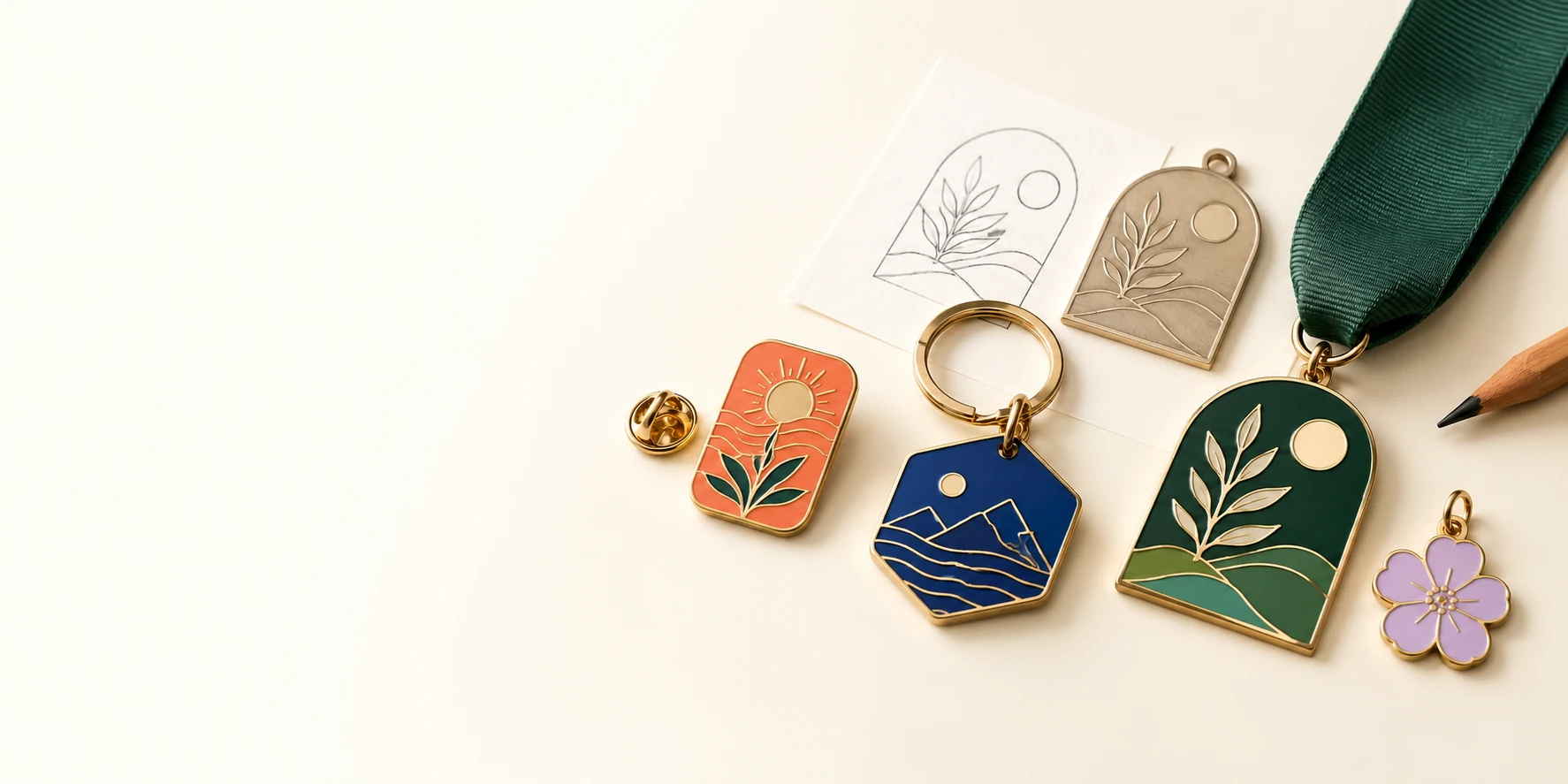
Pins and badges, keychains, medals and enamel charms — developed around your business brief, from the design starting point to the supplied product.
Bring your artwork, an original idea or a direction to adapt. We help define the design, finish, fittings and manufacturing requirements with our own factory in Hangzhou, China.
Your project
Where is your project today?
Start with what you already have. Each route continues into product definition, production and quality review.
OEM
Turn your artwork into a manufacturing brief.
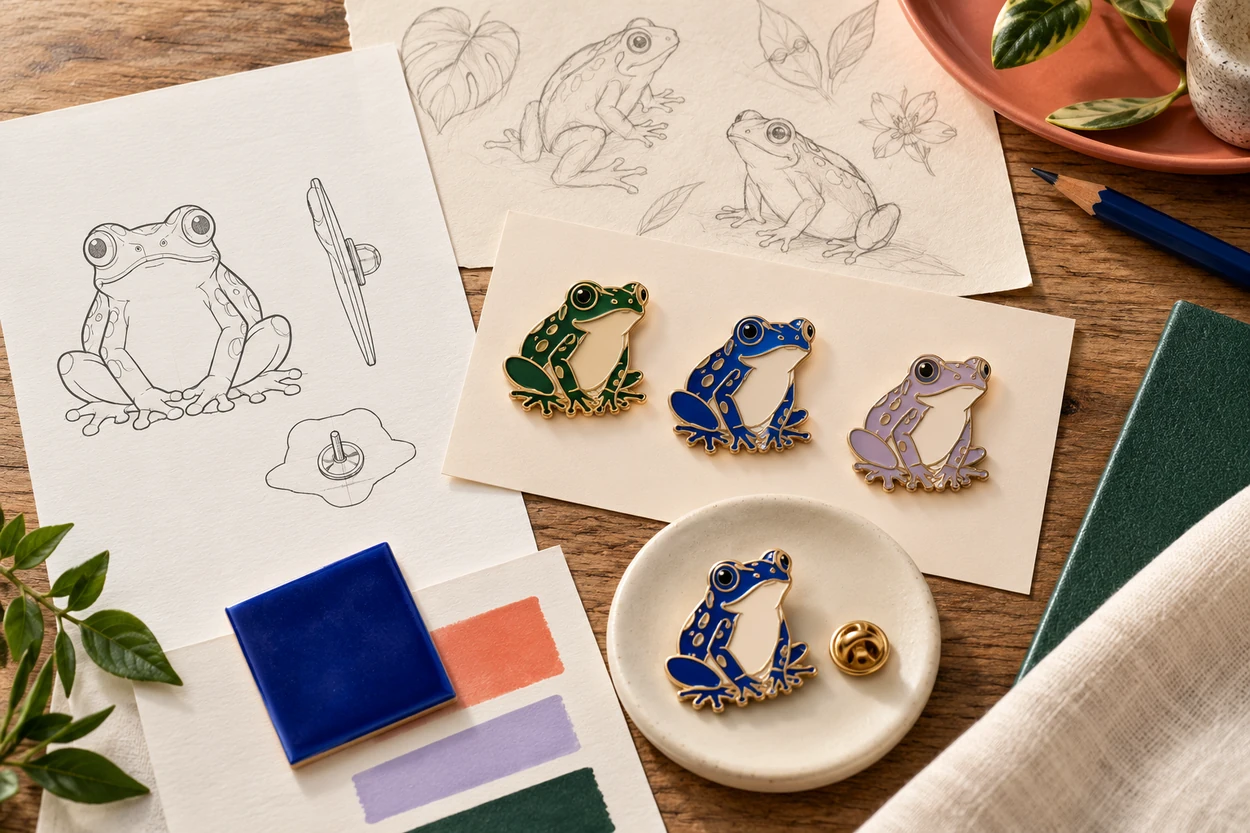
Your organisation already has an identity, illustration or defined design direction. OEM begins with that material and works through the decisions needed to make it into a physical enamel product.
Share the artwork or available references, intended use, preferred size and estimated quantity for each design. A small pin, a connected keychain, a ribbon medal and a loose charm place different demands on detail and structure, even when they share an identity.
We discuss how the outline, colour areas and metal boundaries should read at the chosen size. The reverse, fixing position, attachment and supplied arrangement need to be defined alongside the front. Existing artwork is a starting point; it is not automatically a complete production instruction.
The working brief brings together the design version, product specifications and points to resolve through artwork or sample review. Identify what must remain and what may be adjusted. Review scope, sampling and production arrangements are discussed for the project before they are agreed.
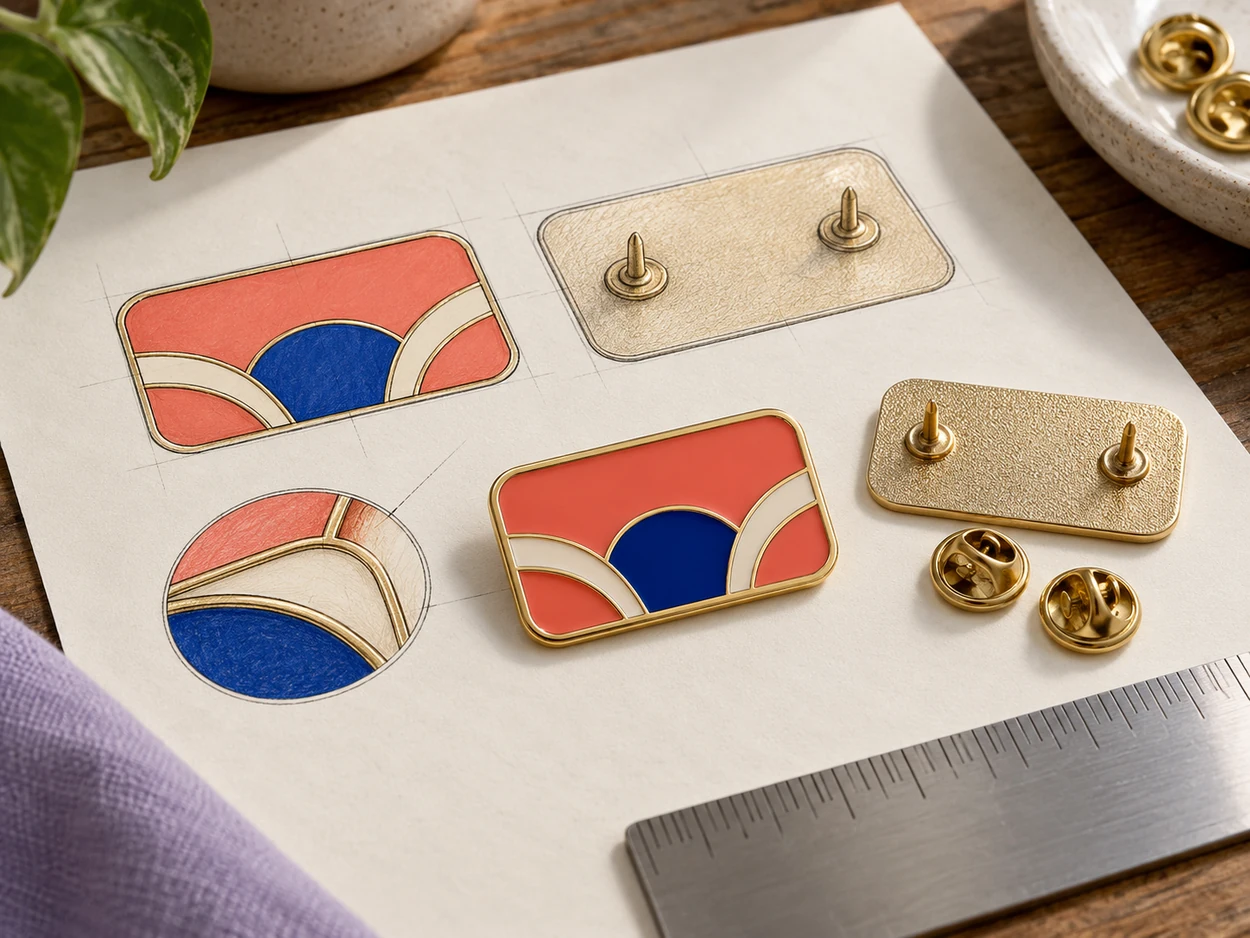
- 01
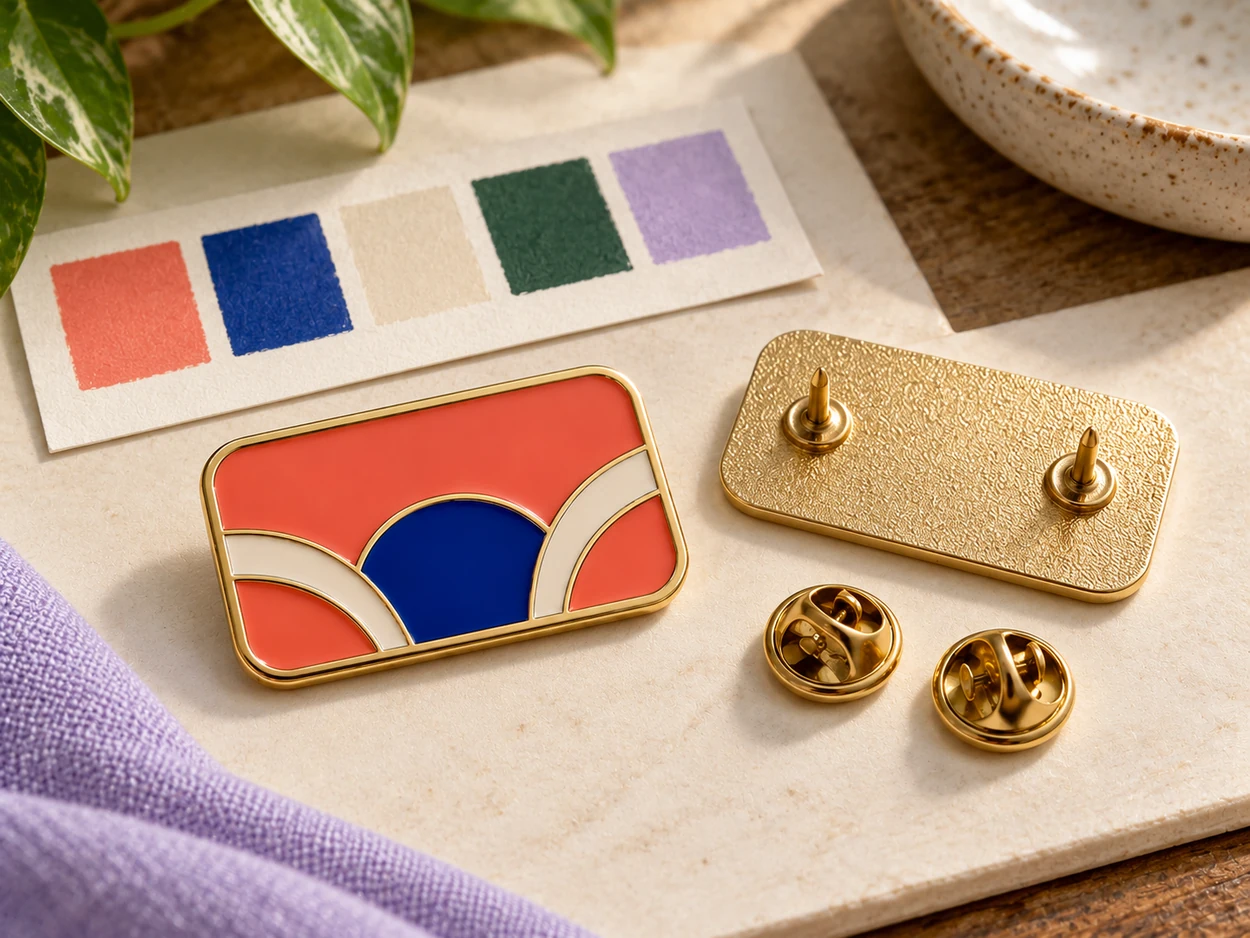
Detail at the intended size
Confirm which features must stay clear.
- 02
Colour and metal boundaries
Define the visual reference together.
- 03
Reverse and attachment
Agree the fitting and its position.
Already defined
Your artwork and business purpose.
To resolve together
Construction, finish, quantity, supplied form and review points.
ODM
Create a direction, or adapt one.
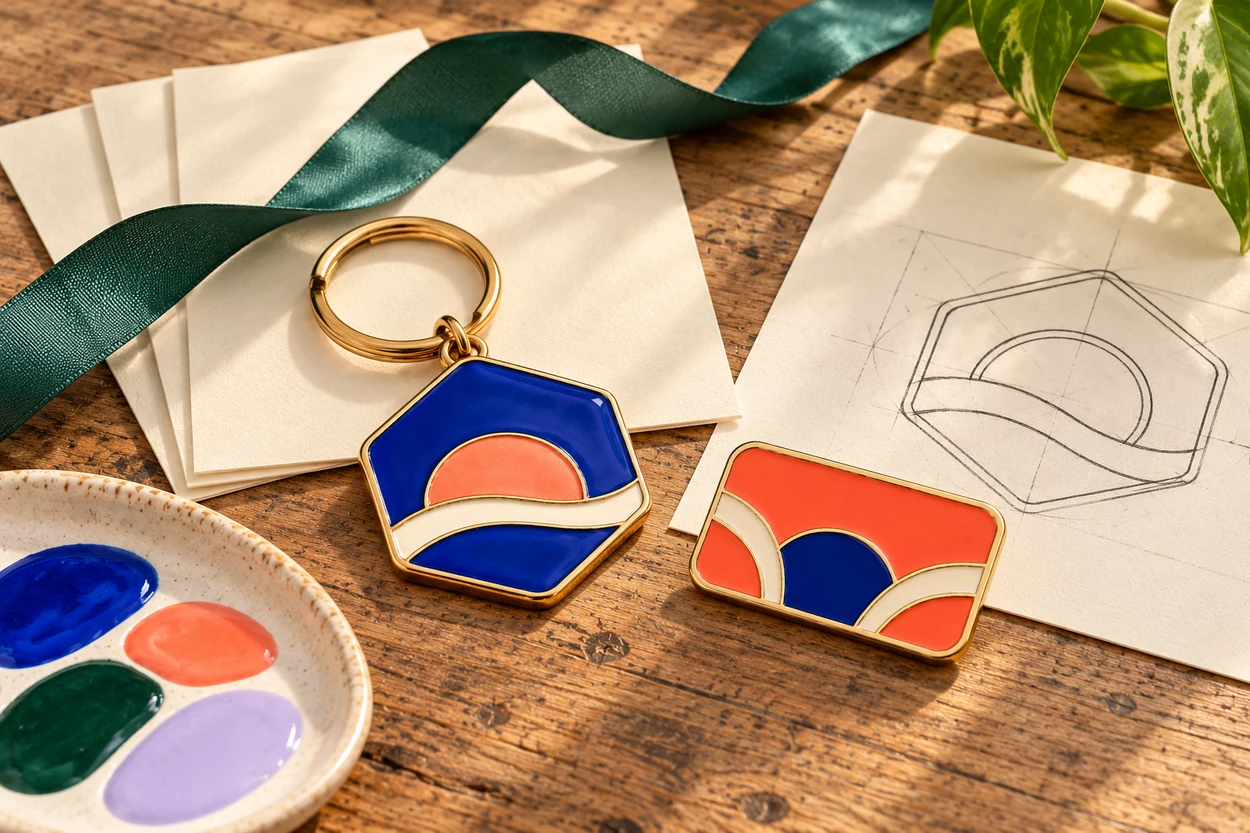
ODM supports business projects that need design development before the product is ready to be specified. We work with two starting points: an original concept developed from your brief, or an existing direction adapted for your organisation and use.
For original development, begin with the intended purpose, product family, brand references and the message or character you want the product to express. Sketches and concept feedback help define the outline, colour arrangement and structure. Manufacturing considerations belong in this discussion, rather than being left until the appearance is settled.
For adaptation, identify the reference and distinguish what should remain from what should change. Colour, outline, attachments and presentation may each need a different decision. An existing direction does not remove the need to review the complete product and supplied arrangement.
Both routes move towards a defined design and an agreed manufacturing brief. Share any required deliverables, ownership terms or exclusivity expectations at the outset. Development scope, available source material, rights and commercial arrangements are confirmed for the individual project.
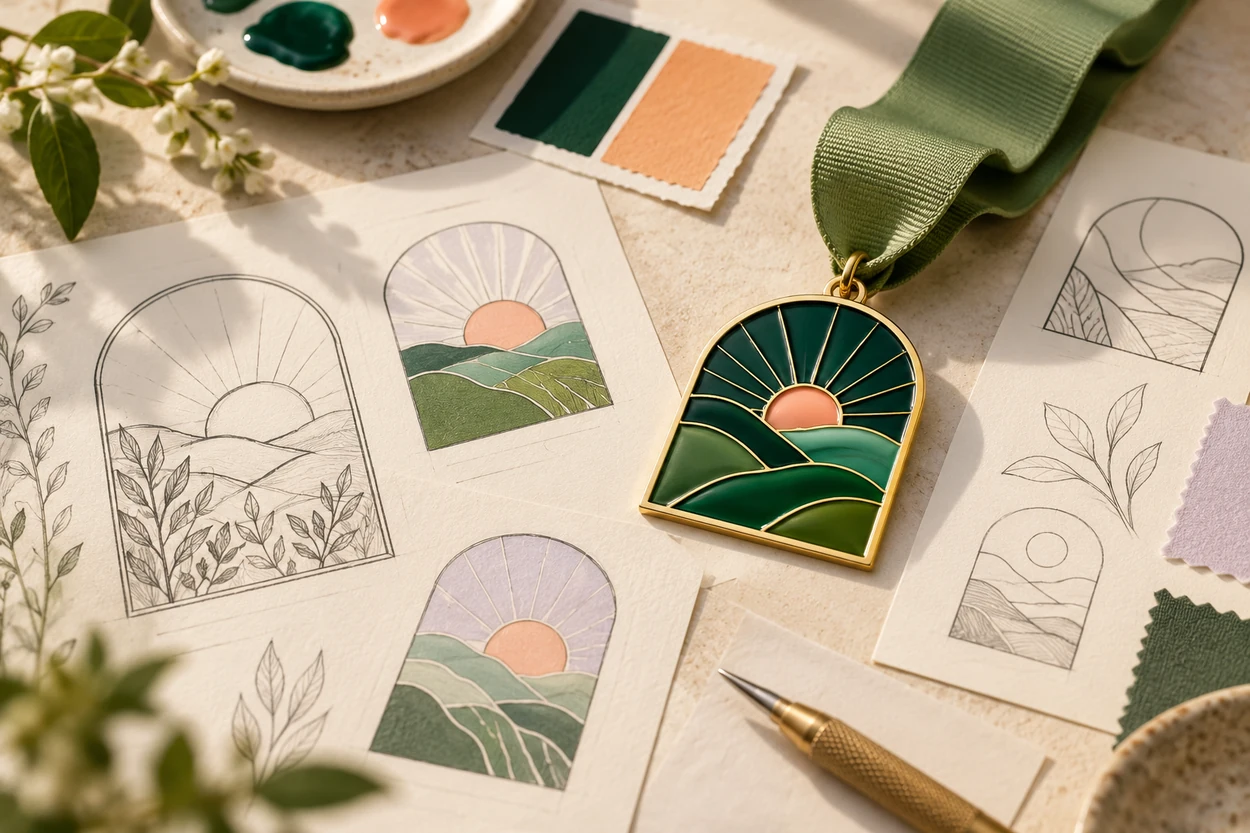
Original development
A purpose, brand direction and product idea.
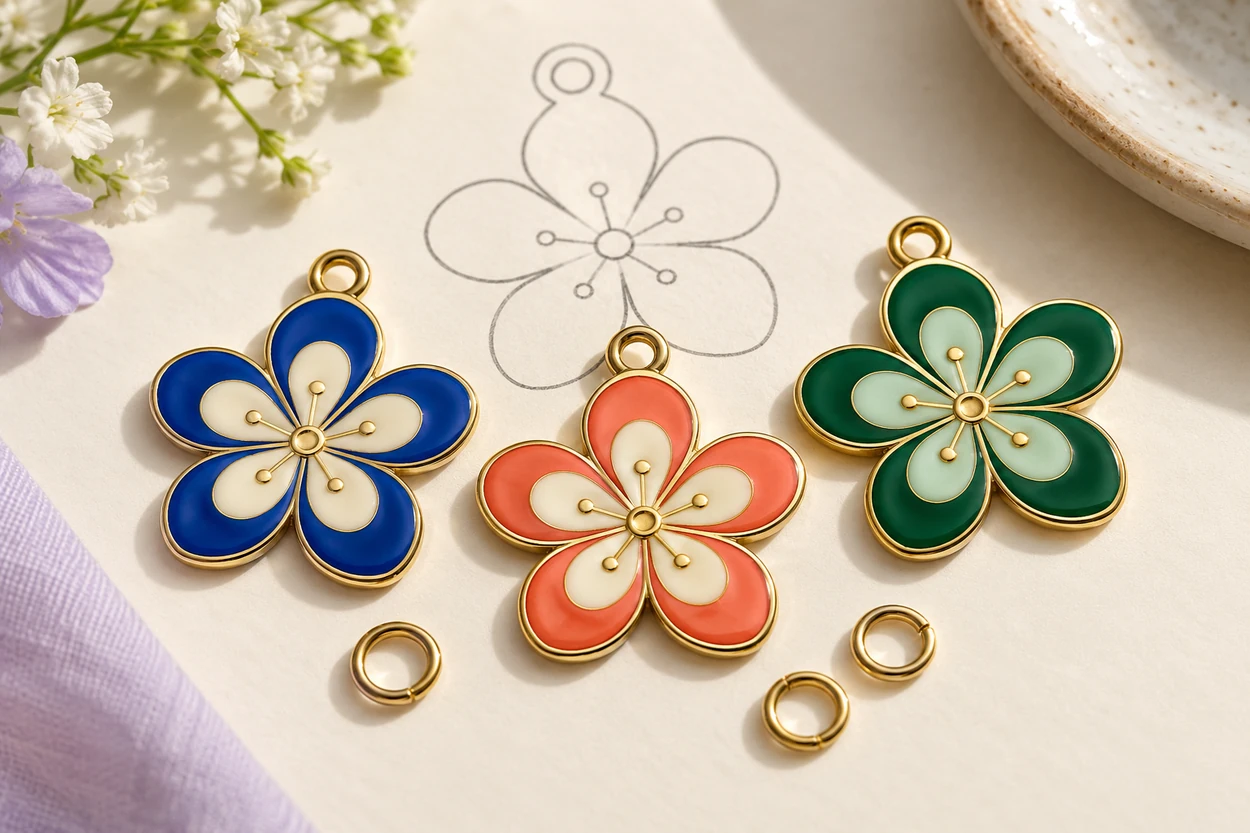
Design adaptation
A reference, retained features and requested changes.
Product definition
Define the product before the process.
A shared design does not make every product the same. Confirm the construction and supplied arrangement for each format, design and version.
- 01
Shape & size
Intended dimensions, outline and important details.
- 02
Enamel surface
The desired appearance and surface effect.
- 03
Metal appearance
Visible finish and the reference to discuss.
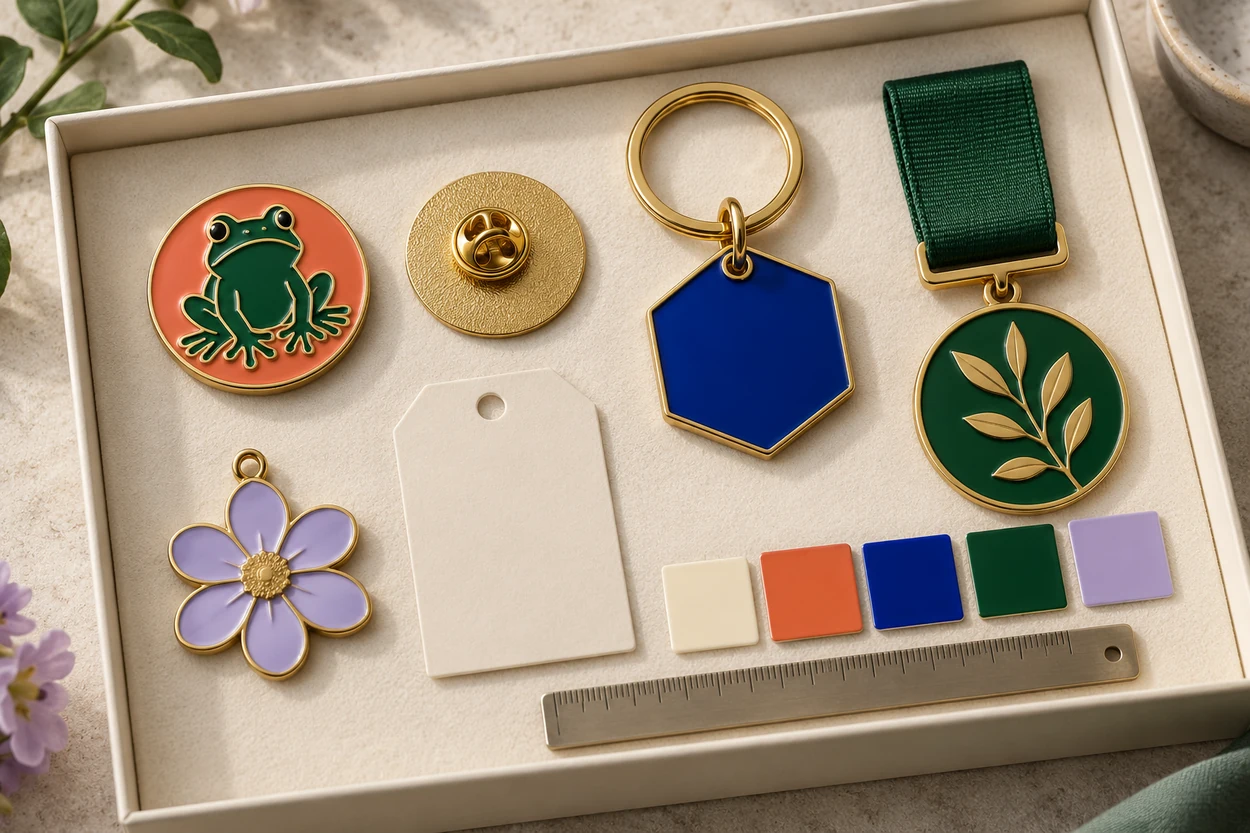
- 04
Reverse & connection
Pin backs, keychain fittings, medal suspension or charm hanging points.
- 05
Quantity & units
Quantities by design or version; individual pieces, components or complete sets.
- 06
Presentation & use
Backing cards, protection, packing and how the product will be used.
Enamel surface
Soft or hard enamel?
The surface is a product decision. OEM and ODM describe where the design starts; neither route determines the enamel finish for you.
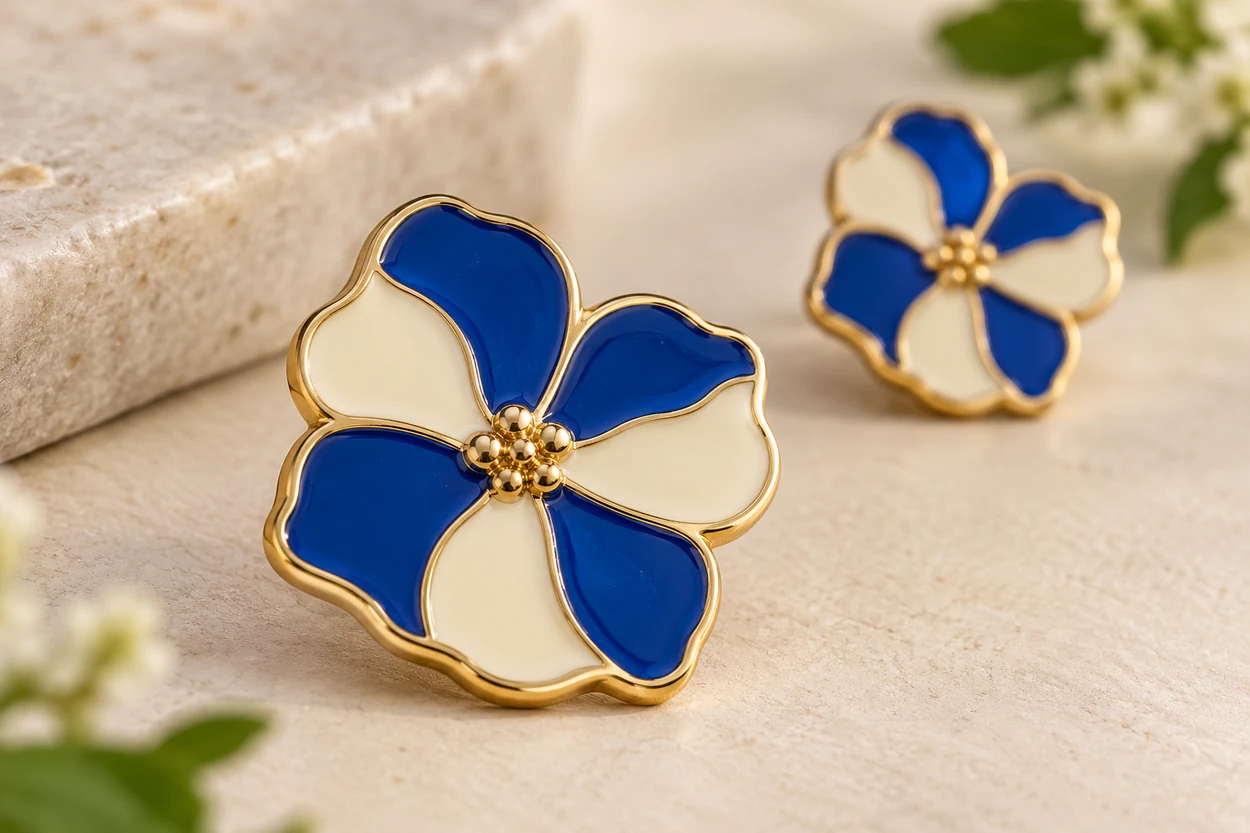
Soft enamel
Recessed colour areas sit below raised metal boundaries. Discuss how the relief, outline and colour divisions should appear on the intended product.
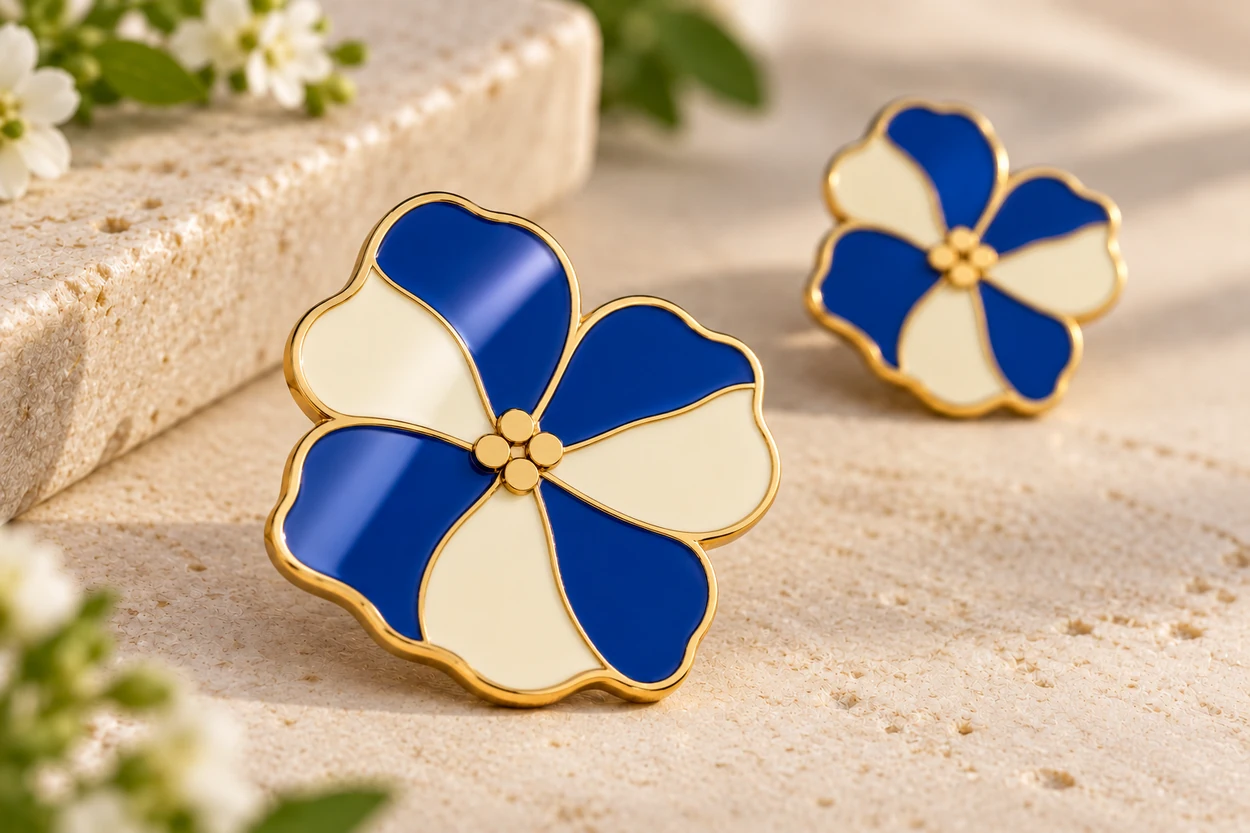
Hard enamel
Colour and metal are finished towards a smoother, more level surface. Review the desired appearance together with the design, visible metal and attachments.
Compare the effect using a relevant reference. Detail, colour areas, fittings and the intended product must be considered together. The actual manufacturing route is defined for the chosen design and finish; one illustrated sequence does not apply to every product.
Production
How the product takes shape.
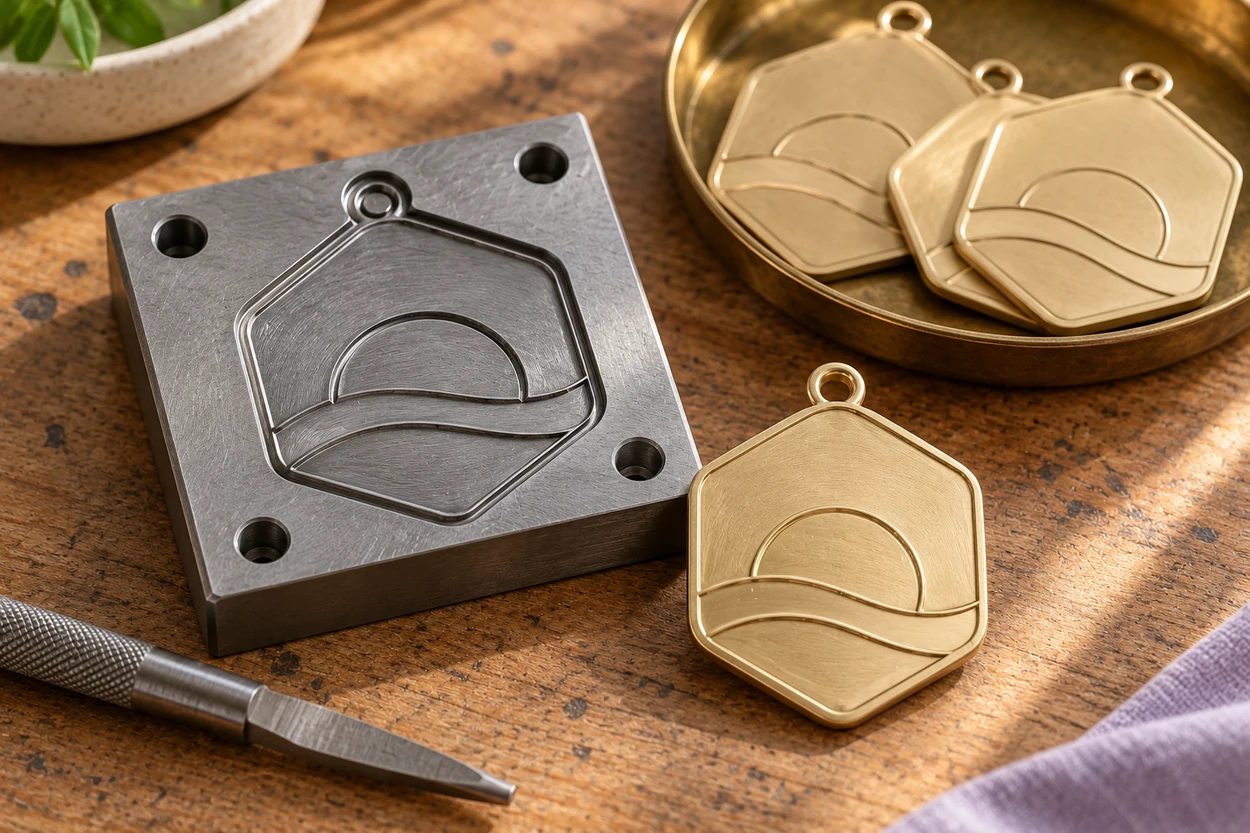
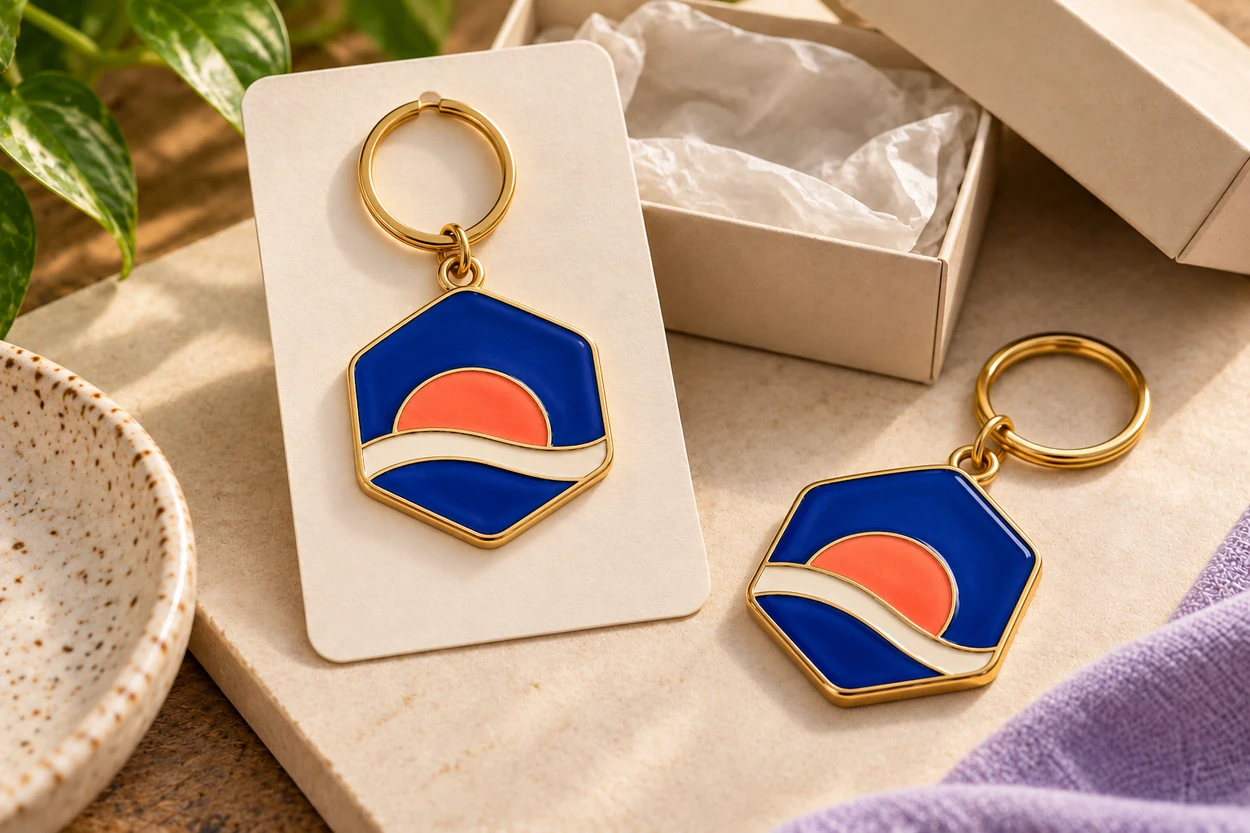
This illustrated keychain follows six manufacturing states. The actual operations and their order are defined for the product, material and finish.
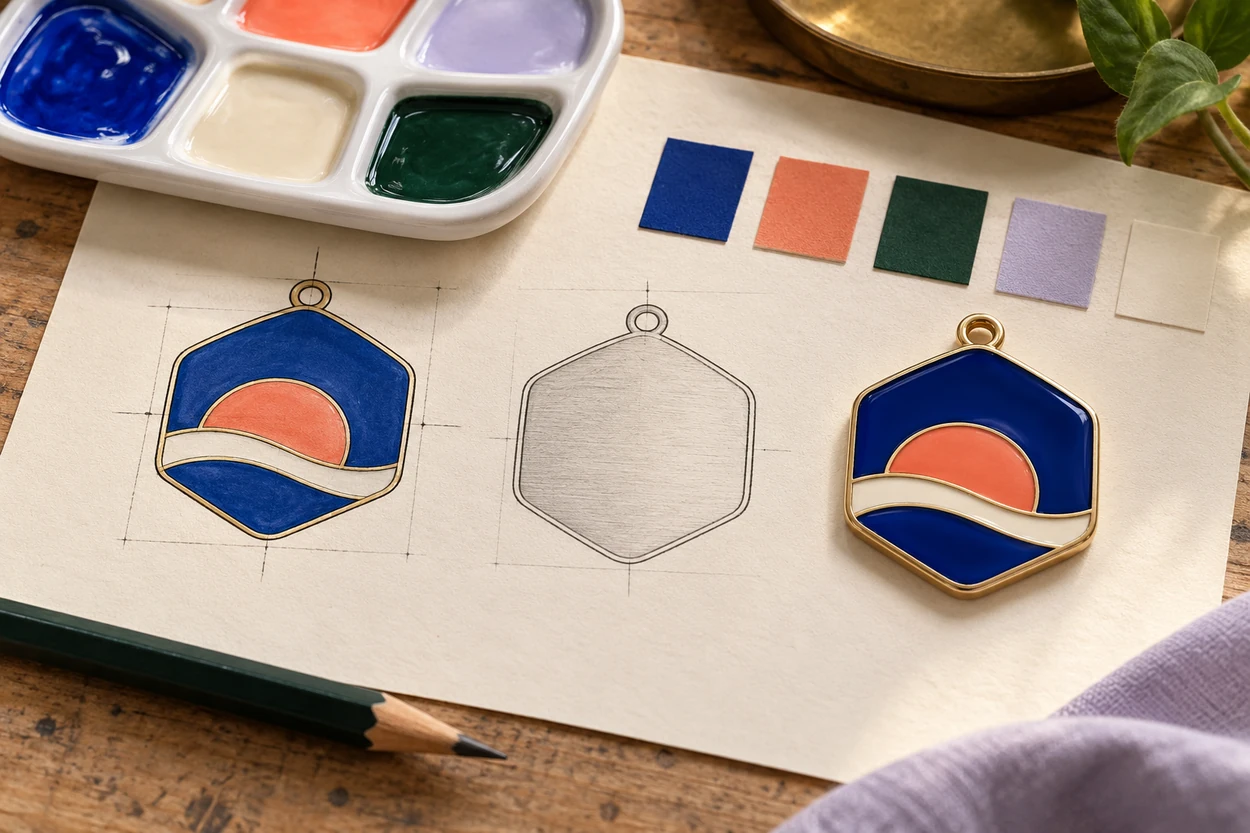
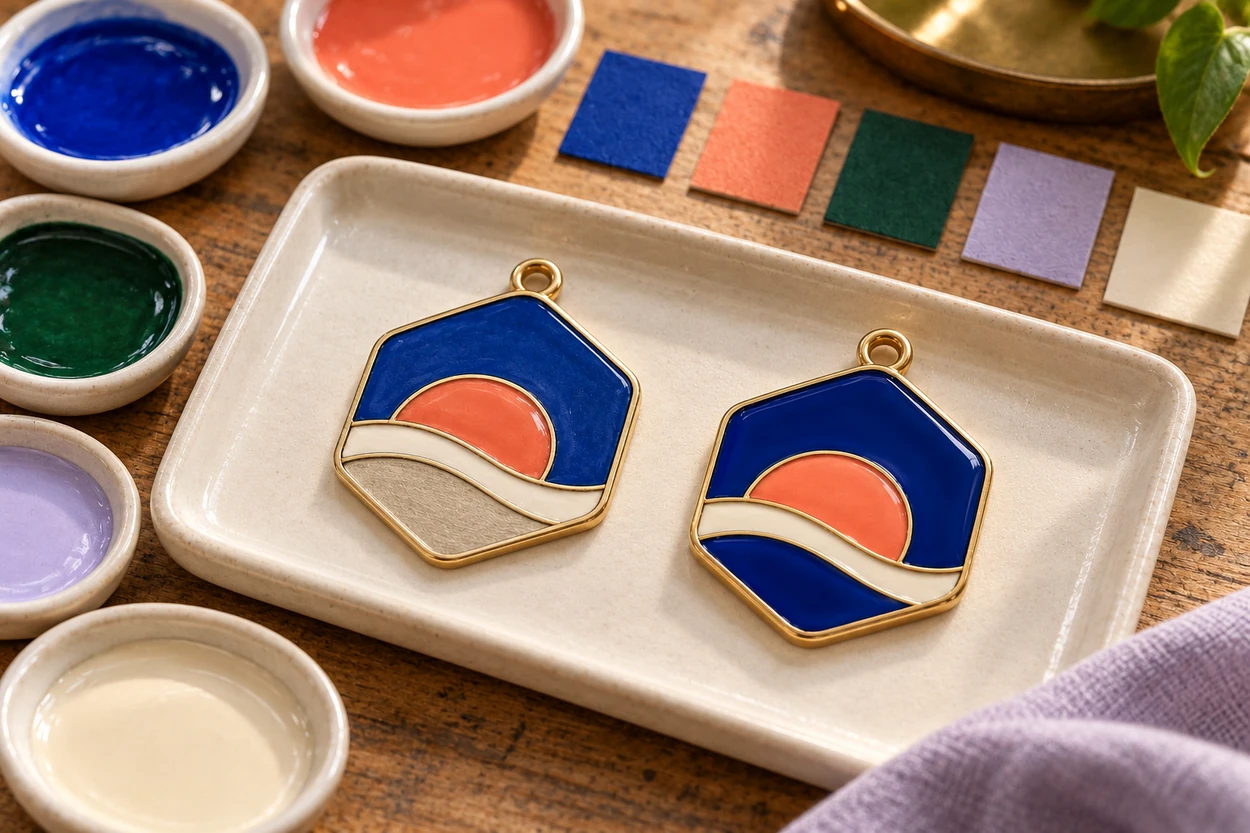
Manufacturing reference
Bring the selected design version together with the agreed size, structure, finish and fittings. Resolve open points before treating the reference as an instruction.
Handover: the product reference and outstanding questions.
Tooling & metal body
Develop the tooling and metal form for the agreed outline, relief and connection points. The body provides the structure for the surface and assembly work.
Handover: the defined metal form.
Colour & surface
Carry out the colouring and surface-related work appropriate to the design. Polishing, plating and enamel operations are arranged for the chosen finish, not assumed to follow one universal order.
Handover: the product's agreed surface appearance.
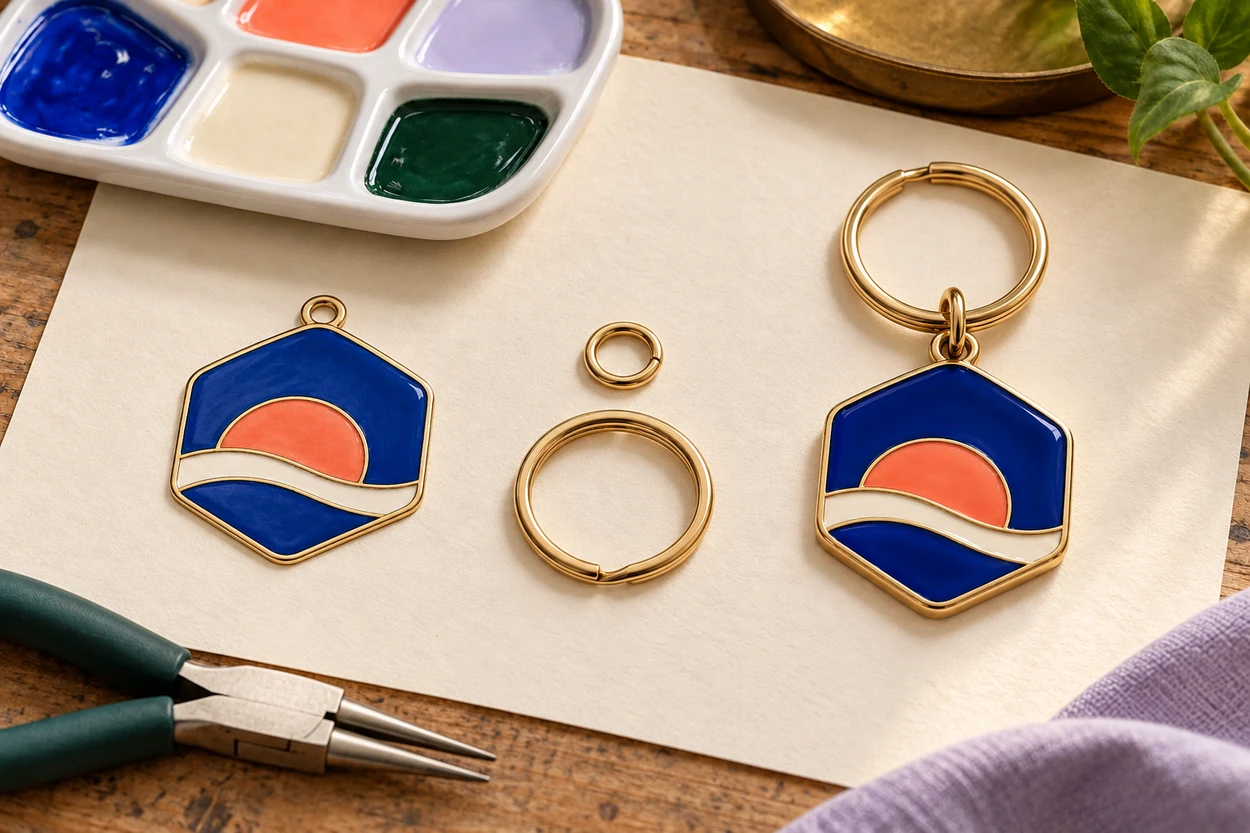
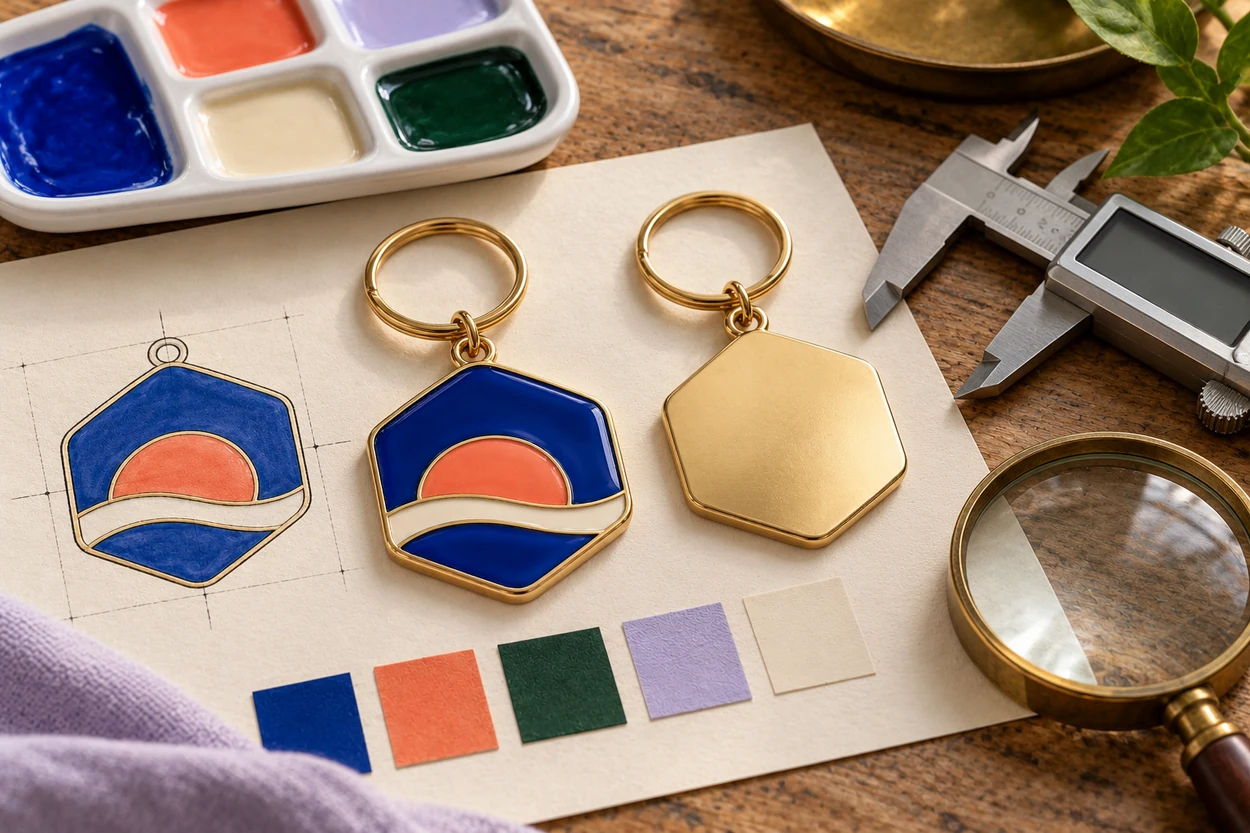
Fittings & assembly
Bring the body together with the specified connection or fixing. For a pin, medal, keychain or charm, this stage concerns a different supplied structure.
Handover: the assembled form or agreed component scope.
Project review
Compare the product and supplied arrangement with the relevant agreed reference. Identify the specific feature, version and question when feedback is needed.
Handover: review points and the required follow-up.
Packing preparation
Arrange protection, presentation and packing around the agreed quantities and counting units. Dispatch requirements are discussed against the actual project.
Handover: the packing and dispatch information to confirm.
AI-generated manufacturing illustrations. Sequence is illustrative.
Quality review
Agree what quality review covers.
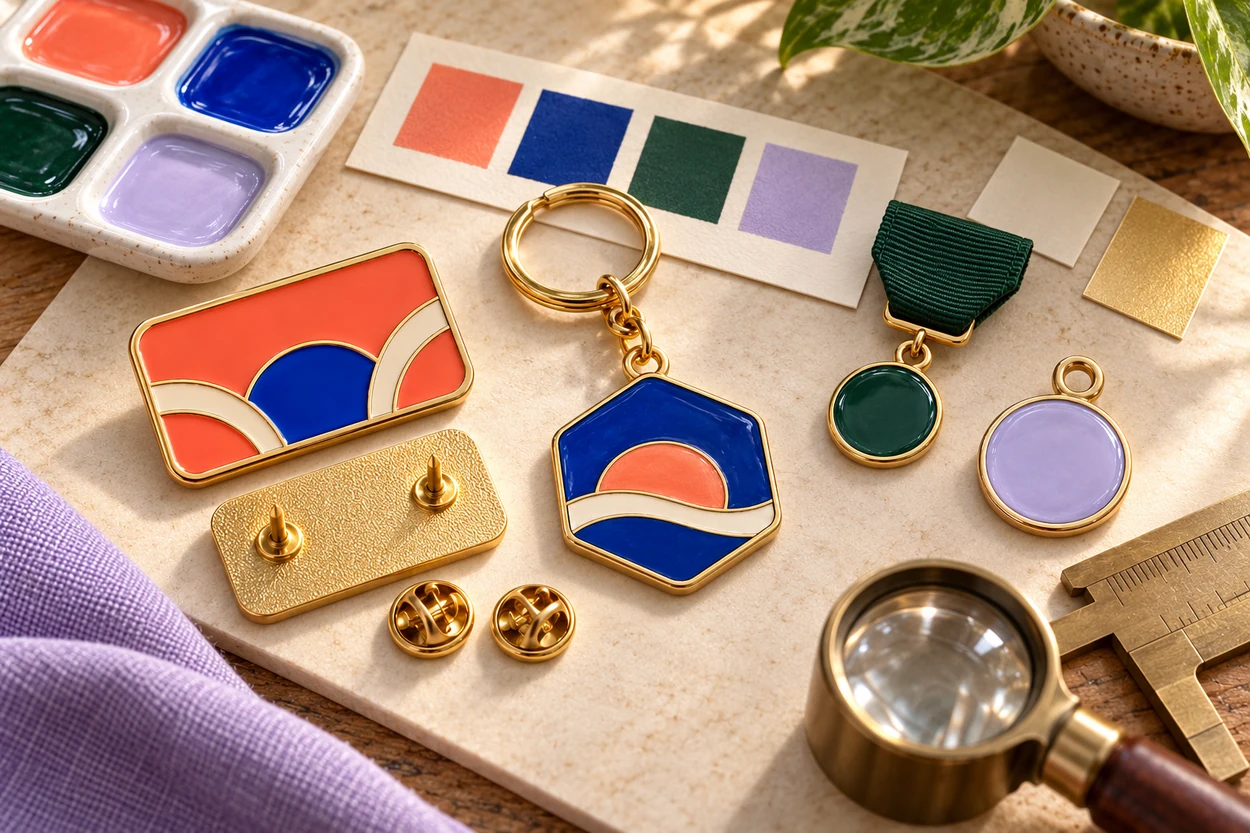
Useful review begins with a clear reference and specific questions. Discuss the features important to your business order before manufacturing is arranged.
Observe
Colour areas and metal boundaries; front, reverse and dimensions; fittings and connections; design versions and quantity units; presentation and packing.
Compare
Use the agreed artwork, product or sample reference and the requirements recorded for the project. Identify the design version and relevant feature rather than relying on a general judgement of appearance.
Clarify
State what your purchasing team needs to review and which supporting information is required. Factory and quality information can be discussed on a project basis. The actual review scope and available documents must be confirmed; no unlisted certificate or test report is implied.
Packing & supply
Specify the supplied form.
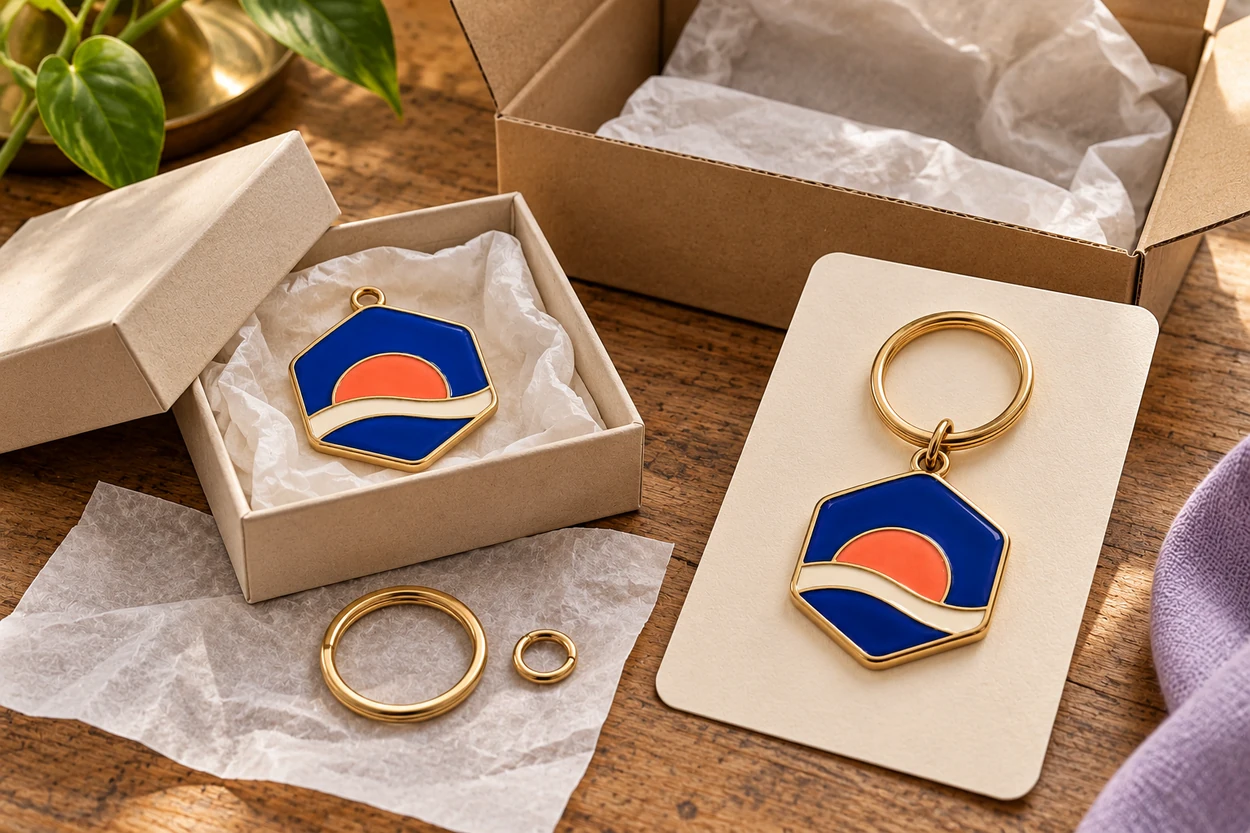
Define what arrives together, not only what the front of the product looks like. The supplied arrangement may be a component for further assembly, an assembled accessory or a product with agreed presentation and protection.
01
Product & fitting
Identify which parts are supplied together and whether any assembly remains with your team.
02
Presentation & protection
Discuss backing cards, protective material and the appearance of the supplied product.
03
Units & outer packing
State whether quantities mean pieces or sets, and identify the versions, counting units and packing information to be confirmed.
Packaging and dispatch arrangements are discussed for the actual project. Show an existing packing reference if it helps explain your requirements.
- Tooling
- Metal forming
- Enamel colouring
- Polishing
- Electroplating
- Assembly
- Inspection
- Packing
Hangzhou, China
Made with our own factory.
Green Frog Supply is operated by HANGZHOU FORTHRIGHT TRADE CO., LTD in Hangzhou, China.
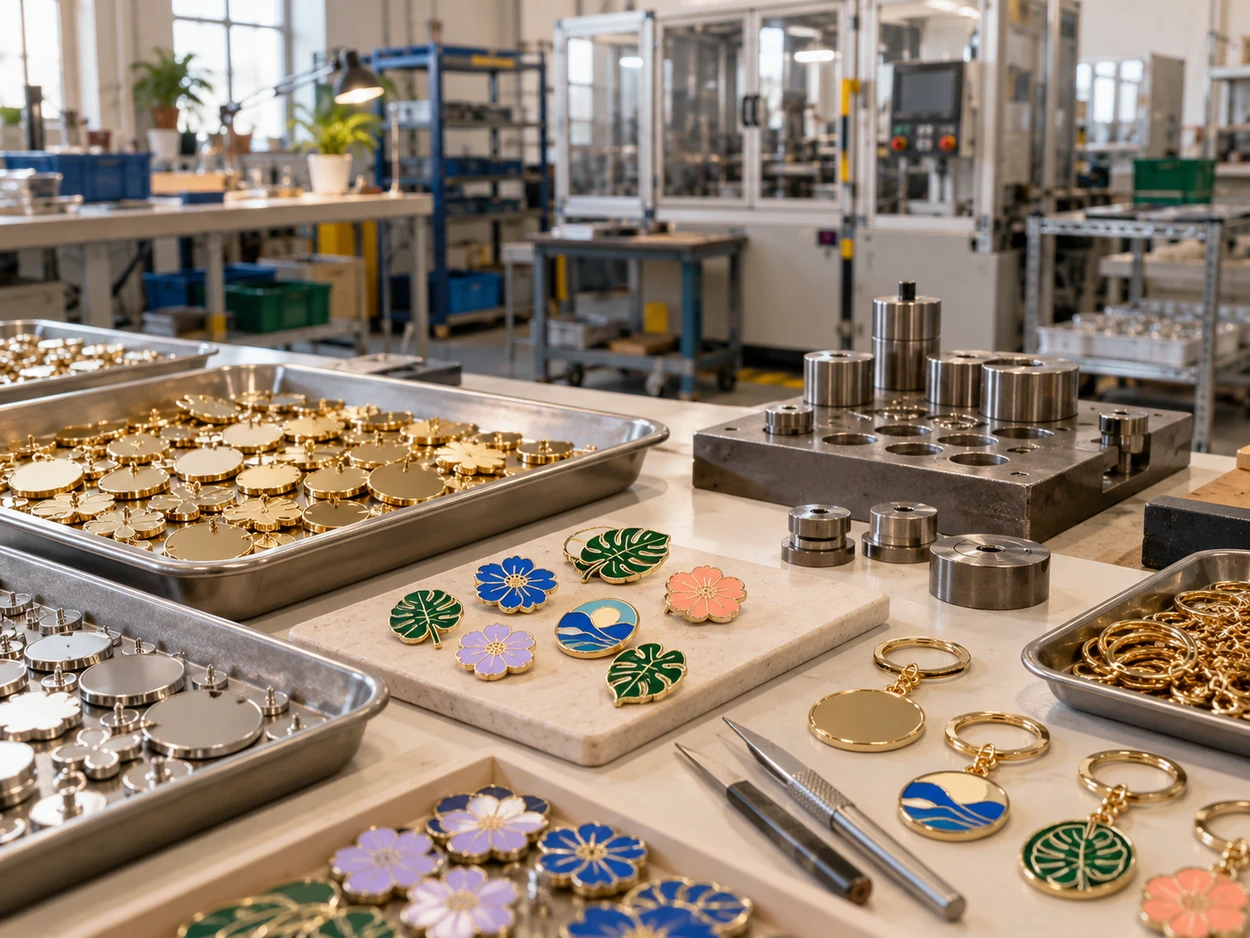
Our in-house scope includes tooling, metal forming, enamel colouring, polishing, electroplating, assembly, inspection and packing. Product design decisions and the supplied arrangement need to be discussed with this complete manufacturing scope in view.
In-person visits and video factory reviews are available by appointment. Project-specific factory and quality information can also be discussed for your purchasing review; the agenda and materials are confirmed for the project.
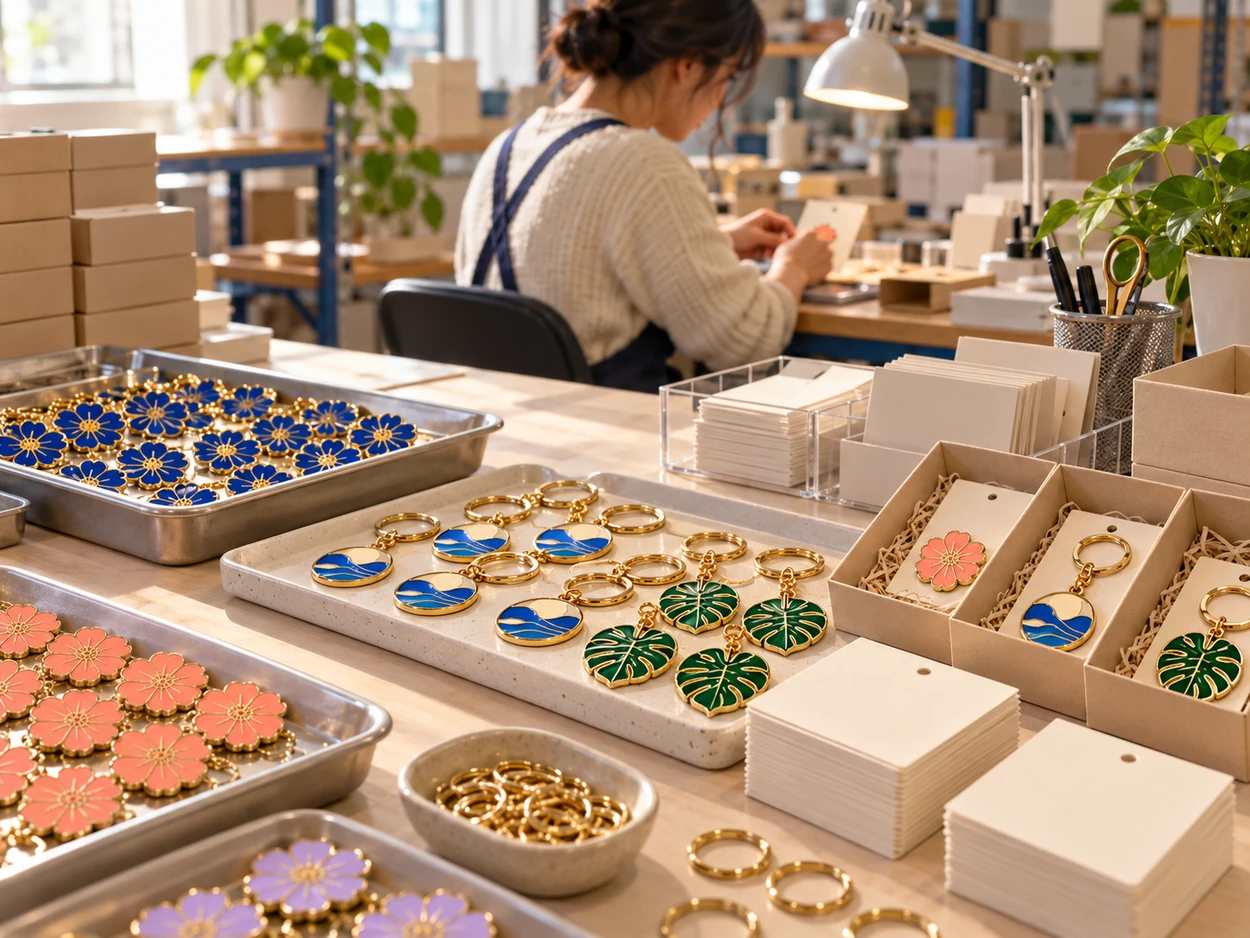
Actual factory photographs will replace these illustrations.
Working together
From discussion to an agreed manufacturing project.
Manufacturing changes the product. Cooperation keeps the brief, references and decisions clear between your team and ours.
Define
01Purpose & starting point
Share the business use, product types and available artwork or references. Together, identify the design starting point and open decisions.
Start the discussion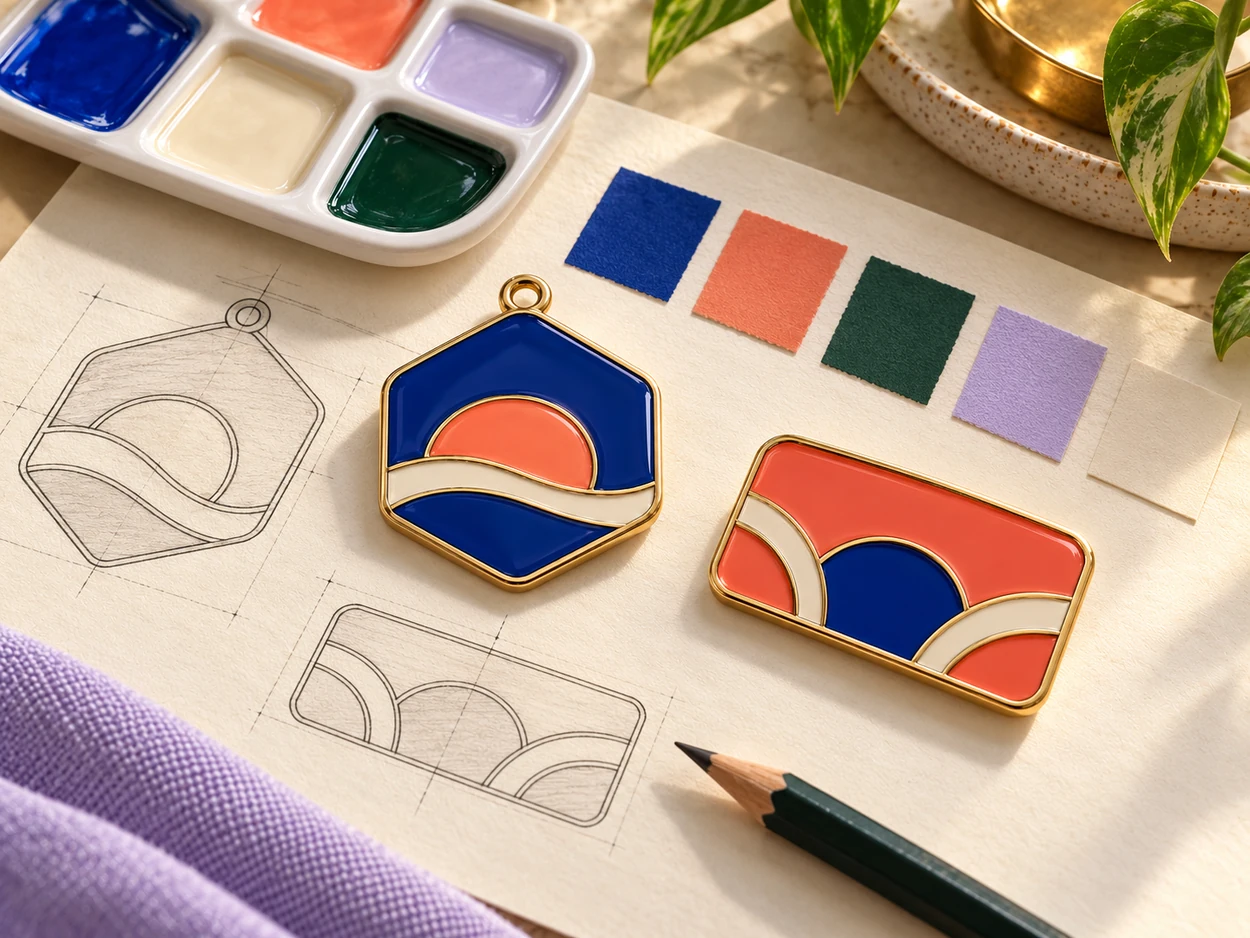
02Specifications & scope
Share the size direction, estimated quantities, fittings and supplied form. Together, define which products, versions and requirements belong in the brief.
Outline the scope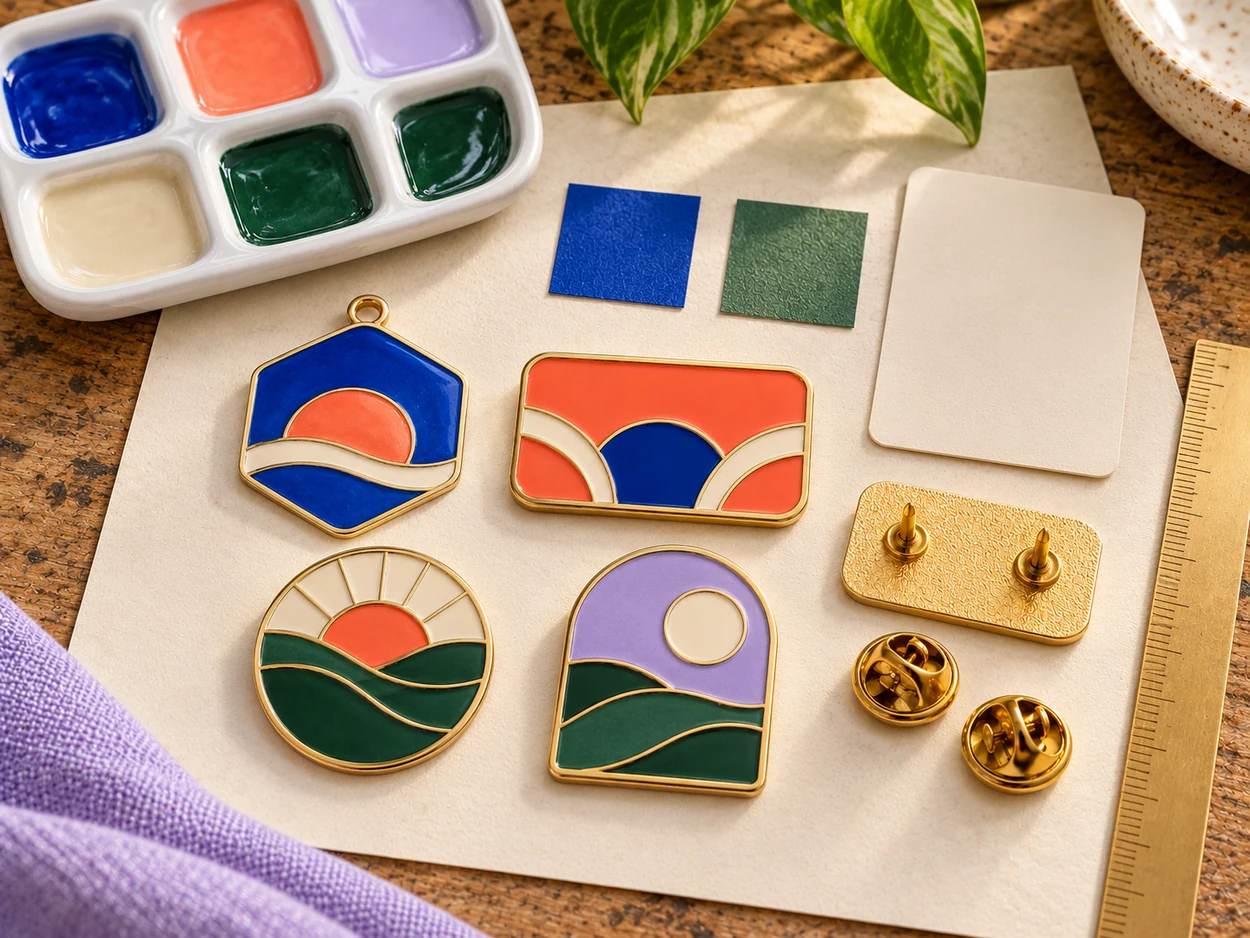
Confirm
03Artwork & sample feedback
Collect comments against a named version and identify each feature to discuss. Together, resolve the design and review questions relevant to the project.
Review the artwork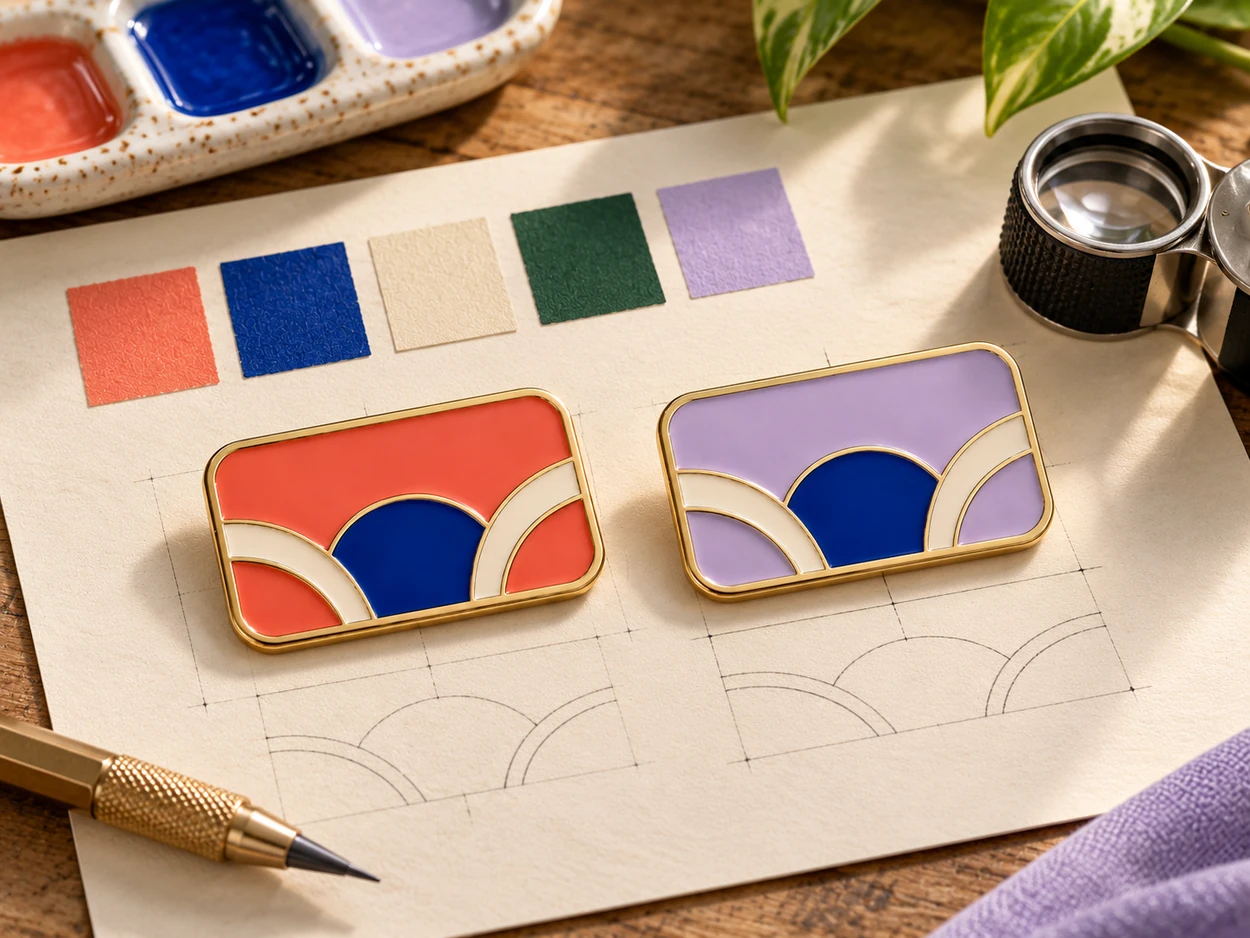
04Production arrangement
Bring the agreed reference, quantities, timing direction and review requirements together. Confirm the scope and arrangements before proceeding.
Confirm the arrangement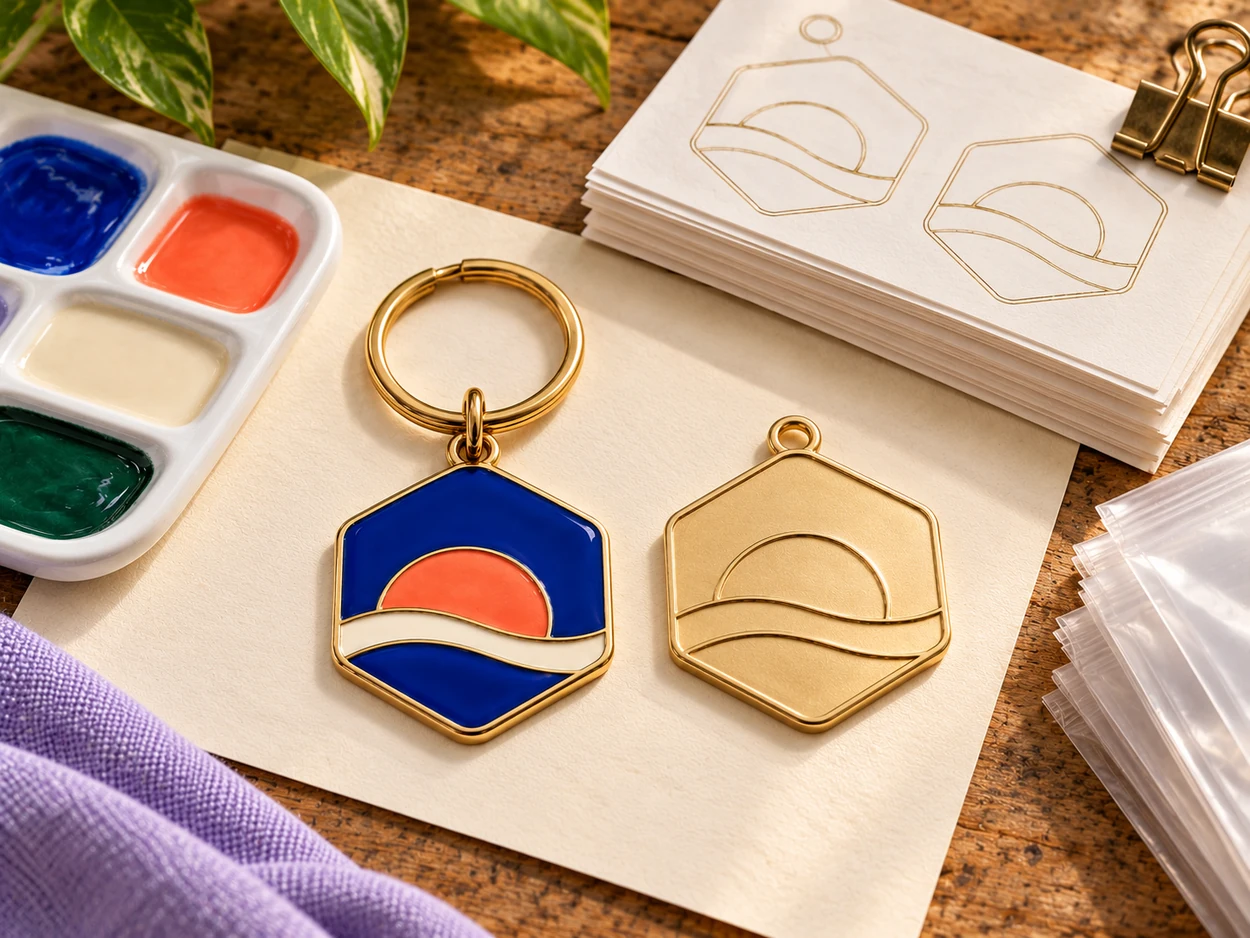
Deliver
05Product & packing review
Review the product, version identification and presentation against the agreed scope. Clarify any remaining questions about the supplied arrangement.
Discuss the supplied form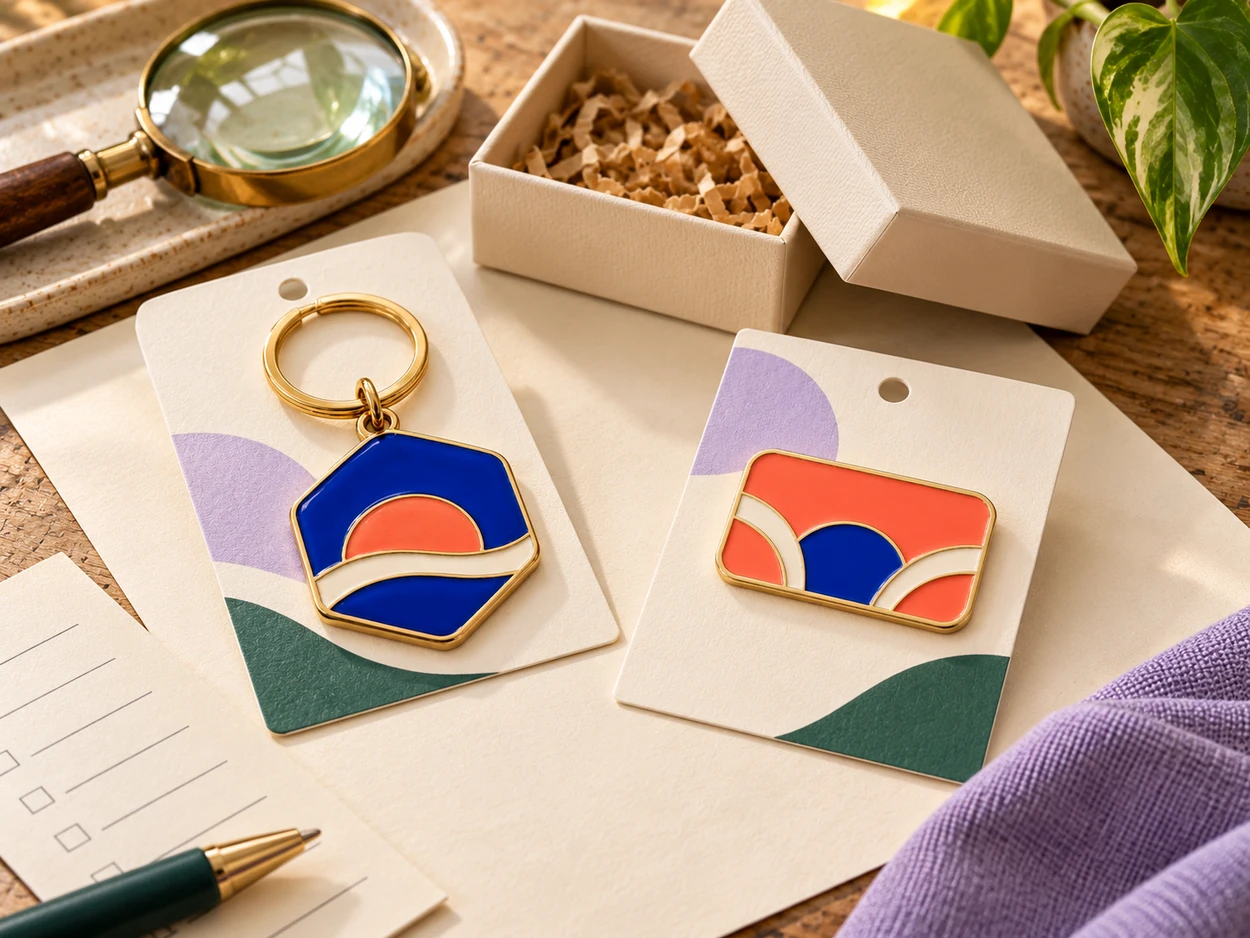
06Dispatch discussion
Share delivery requirements and the information needed by your team. Confirm packing and dispatch arrangements for the actual project.
Plan the dispatch discussion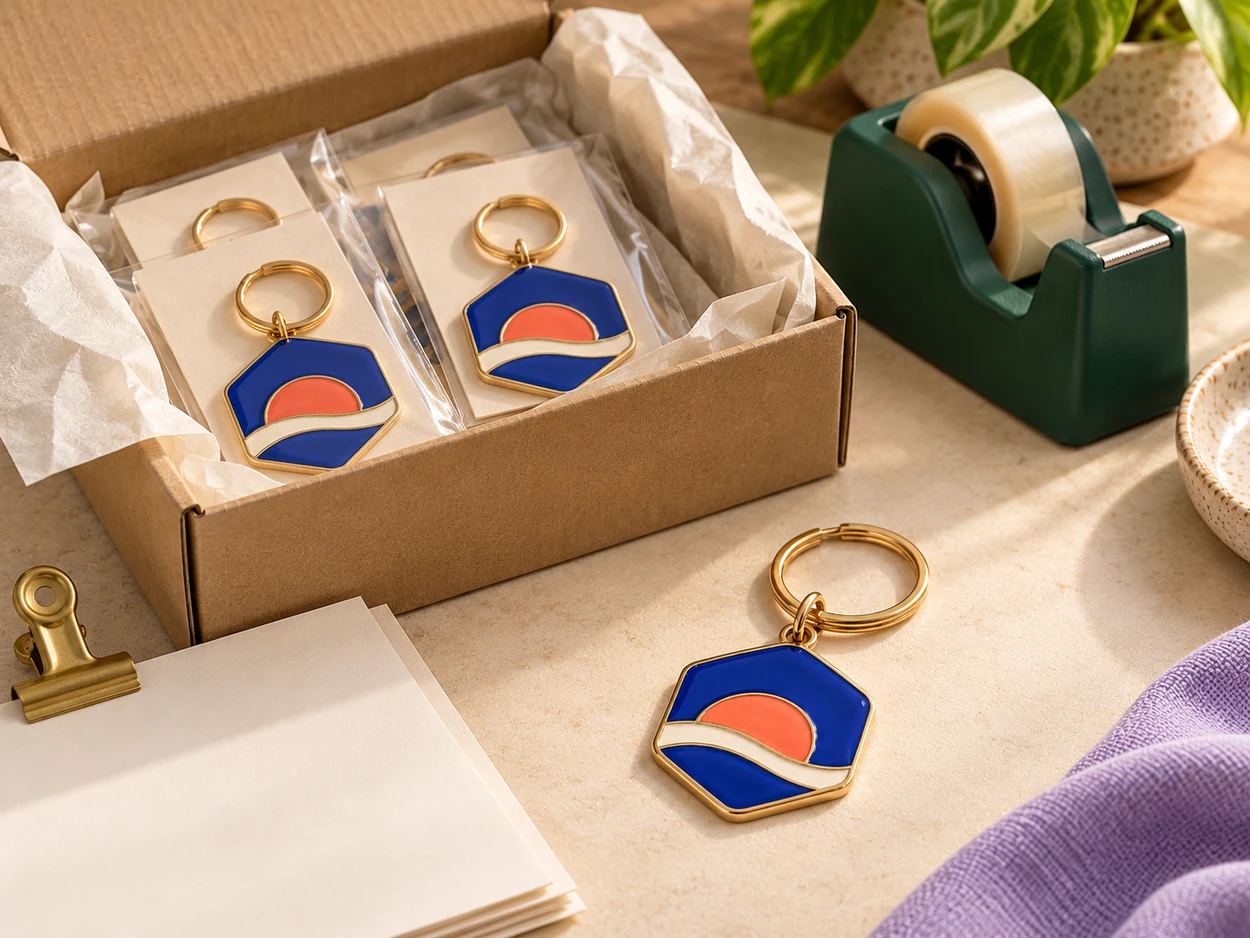
Illustrative project materials. Timing, costs, sampling and terms are confirmed individually. This is a cooperation framework, not a fixed-day schedule.
Questions & answers
Questions before manufacturing.
Clear answers help your project move forward. Here are common questions from business buyers, organised by design starting point, manufacturing requirements and commercial confirmation.
Design starting point
Q1How do we choose between OEM and ODM for an enamel product project?
OEM is a suitable starting point when your organisation already has artwork or a defined design direction that needs to be prepared for manufacture. ODM is relevant when you need an original concept developed or an existing design direction adapted. Both routes still require agreement on the product structure, enamel process, fittings, quantities and supplied form. Tell us what is already decided and what you need help to develop; the route can be discussed from there.
Q2Does ODM cover both original development and changes to an existing direction?
Yes. We support original development from a business brief and adaptation of an existing design direction. For original work, share the intended use, product type, brand references and requirements. For an adaptation, identify what should remain and what needs to change, such as colour, outline, attachment or presentation. The available reference material, development scope and intended deliverables are discussed for the project before work is agreed.
Q3Can production begin as soon as we send our artwork?
Artwork is an important input, but it does not define every manufacturing decision. We also need to discuss the intended size, detail, enamel finish, metal appearance, reverse, fittings, quantity and packaging. Artwork or sample review may identify points that need to be clarified or adjusted. Production arrangements are discussed against the agreed product reference and scope, rather than assuming that a supplied image is already a complete production instruction.
Manufacturing requirements
Q4Can one business project include pins, keychains, medals and charms?
Yes, a project can be discussed across these product families. A shared visual theme does not mean that each item has the same construction or supplied form. Pin backs, keychain connections, medal suspension and charm hanging points need their own decisions. Please list each product, design or version separately, including whether quantities refer to individual pieces or complete sets, so that the scope can be defined clearly.
Q5Is soft or hard enamel tied to choosing OEM or ODM?
No. OEM and ODM describe the design starting point; soft and hard enamel concern the product finish and manufacturing approach. The surface effect, detail, metal boundaries, fittings and intended product need to be considered together. Both finishes can be discussed within an OEM or ODM project. The appropriate production route is defined for the design and finish rather than using one sequence for every product.
Q6What should we agree before manufacturing is arranged?
Agree the relevant design version, dimensions or size direction, enamel and metal finish, fittings, quantity by design or version, and the supplied arrangement. Artwork, sample references and any open review points should be clear to both parties. Target timing, packing and project-specific review requirements also belong in this discussion. Changes to these inputs may affect the work that needs to be assessed, so they should be identified before arrangements are confirmed.
Q7How should our purchasing team define quality-review requirements?
Start with the product features and reference that matter to your order: appearance, colour areas, metal boundaries, dimensions, reverse, attachment, version and packing. Share the checks and supporting information required by your purchasing process. Factory and quality information can be discussed on a project basis, with the actual materials and review scope confirmed for the project. This does not imply that a particular certificate, test report or unlisted approval is already available.
Commercial confirmation
Q8Can you supply assembled accessories and agreed packaging?
Yes. The scope can include enamel components or assembled products, together with the presentation and packing discussed for the project. State whether you need individual pieces, sets or components for further assembly, and describe any backing card, protection, identification or outer-packing requirements. The product, fittings and packaging need to be reviewed as one supplied arrangement; they are not assumed to be identical across all orders.
Q9Which work is completed in your own factory, and can we review it?
Our in-house scope includes tooling, metal forming, enamel colouring, polishing, electroplating, assembly, inspection and packing. Green Frog Supply is operated by HANGZHOU FORTHRIGHT TRADE CO., LTD in Hangzhou, China. In-person visits and video factory reviews can be arranged by appointment, and project-specific factory or quality information can be discussed. See Our Factory for the work-area and review information. Generated factory illustrations on this website are clearly labelled and are not actual factory photographs.
Q10What should we provide to discuss quantities, cost and timing?
Share your company, product types, design starting point, available artwork or references, estimated quantity for each design or version, target market, intended use, packaging and target timing. Mark any decisions that remain open. Development scope, product construction, finish, fittings, sampling and supplied form all affect the discussion. Quantities, costs, schedule, design deliverables and any requested rights or exclusivity need to be confirmed for the particular project; they are not a single standard promise for every enquiry.
Related product concepts
See these decisions in a product.
Illustrative custom concepts — examples to discuss, not stocked products or customer cases.

Corporate logo pins
Translate a defined identity into outline, colour and reverse decisions.
View the concept
Organisation crest pins
Review emblem detail, fixing and presentation together.
View the concept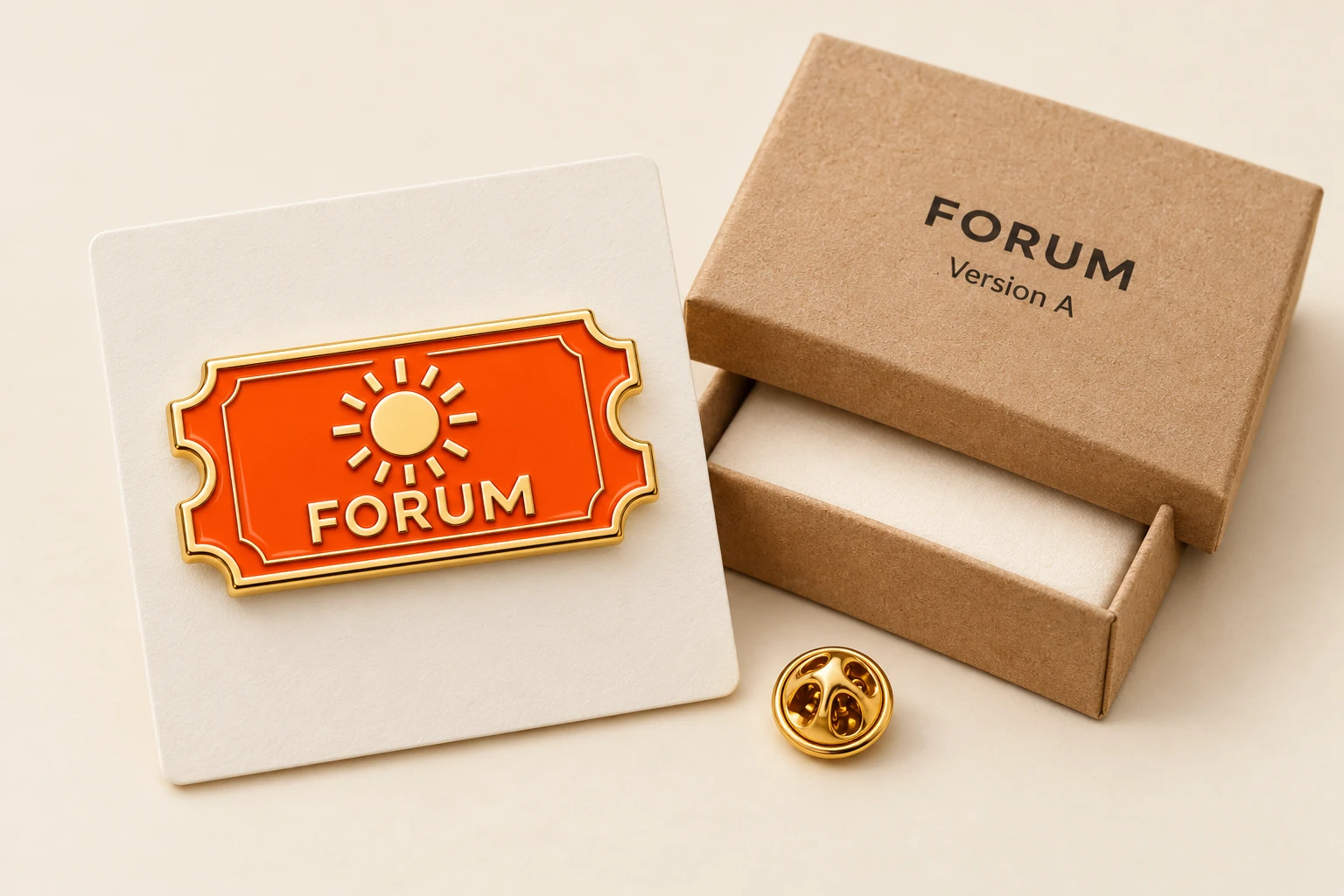
Corporate event pins
Discuss versions, event use and the supplied presentation.
View the conceptProject enquiry
Tell us what you have, and what is still open.
Share the confirmed decisions and the questions you want to resolve. We can discuss the design starting point, product requirements and manufacturing scope from there.
Fields marked * are required.