
Production & quality · Product conditions & review
Hard and soft enamel pin manufacturing for business orders.
A useful quality discussion starts with the product and the reference. Define the construction, surface, fittings and supplied form, then agree what your purchasing team needs to review.
Discuss production requirements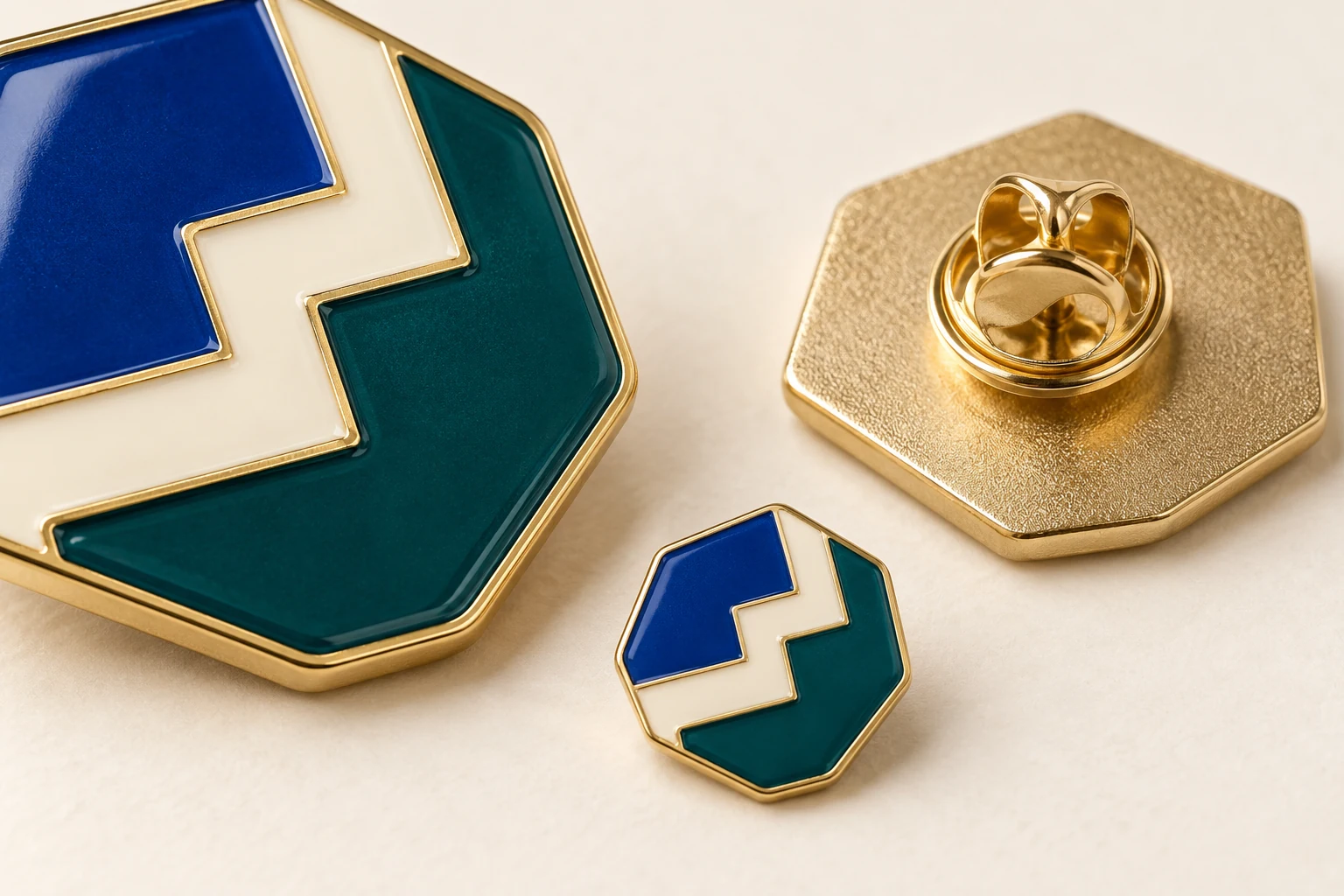
Green Frog Supply manufactures with our own factory in Hangzhou, China. This guide focuses on enamel pin decisions, with keychain, medal and charm interfaces as additional examples. Product and process images are illustrative.
Specifications determine the route.
A process discussion needs more than a front image. Each product condition can affect the work and the questions that need to be resolved.

Outline & size
Identify the design version, intended dimensions or size direction and the details that must remain recognisable.
Surface & visible metal
Discuss colour areas, metal divisions and the recessed or more level appearance you are seeking.
Reverse & connection
Name the fixing or connection, its position and the component or assembled-product scope.
Quantity & supplied form
List each design or version and whether quantities mean pieces or sets. Add presentation, protection and packing requirements.
Incomplete inputs remain questions to resolve. They should not be silently converted into manufacturing assumptions.
Read the soft and hard enamel surfaces.
The surface is a product decision. Compare the intended effect with the design, visible metal, detail and fittings.

Soft enamel
Colour areas are recessed below the higher metal boundaries. Discuss the relief, outline and colour divisions at the intended product size.

Hard enamel
The colour and metal are finished towards a smoother, more level surface. Review the complete appearance with the design and fixing requirements.
The cross-sections explain a visual relationship only. They are schematic, not to scale, and do not specify thickness, material or measured tolerances.
Follow a conditional production route.
The six images follow the same original hexagon pin through illustrative states. Surface-related operations are arranged for the chosen design and finish.
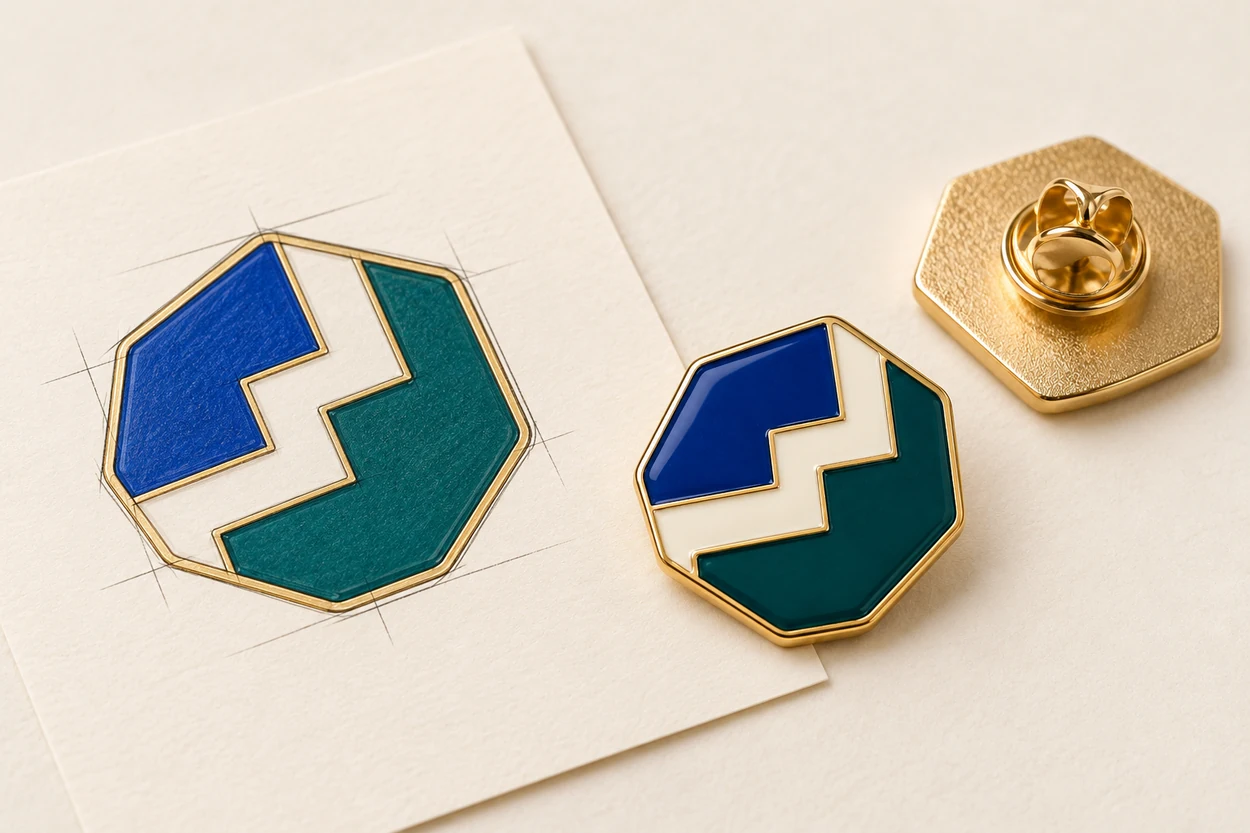
Manufacturing reference
Bring together the selected artwork, size direction, structure, finish and backing.
Resolve open questions before treating the reference as an instruction.

Tooling & metal body
The tooling and metal form express the agreed outline, relief and connection needs.
The body provides the structure for surface and assembly work.
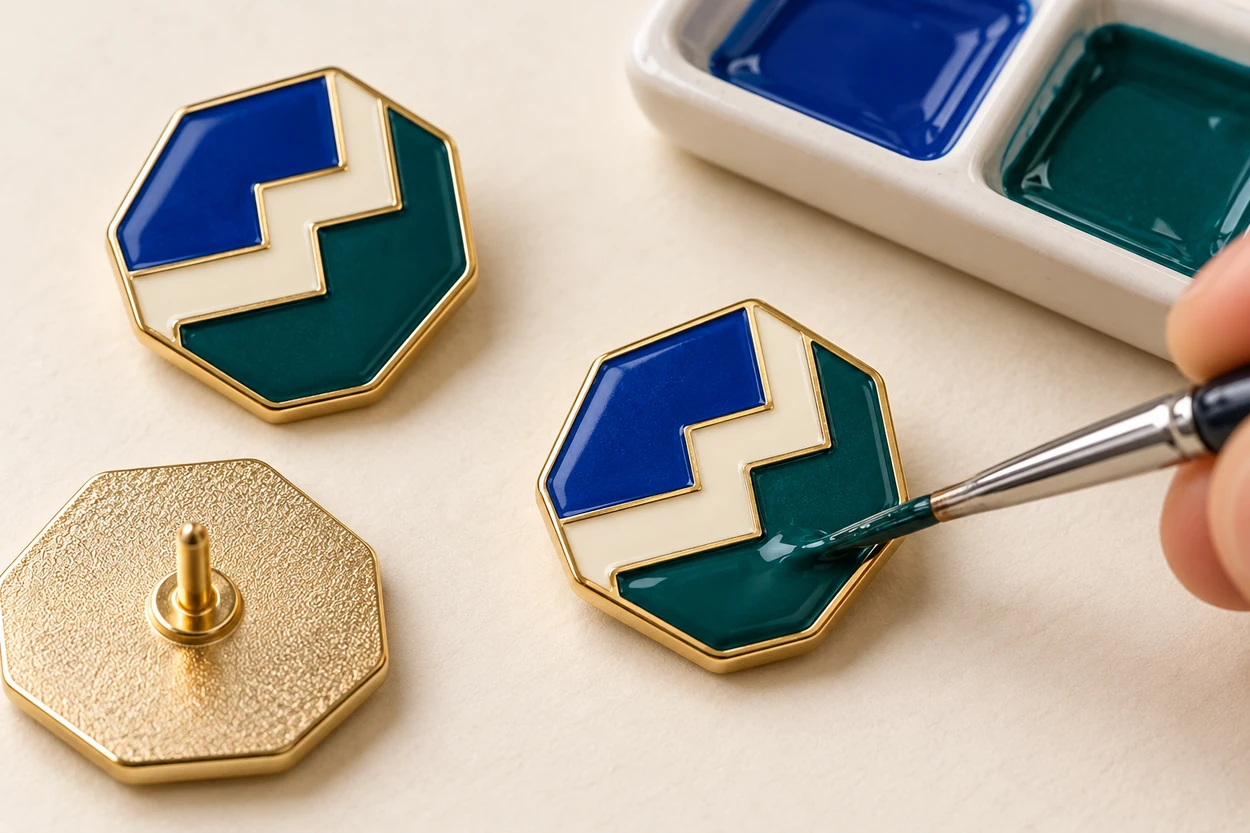
Colour & surface work
Enamel colouring, polishing and electroplating are arranged for the product and finish.
Their sequence is not one fixed route for every soft or hard enamel product.
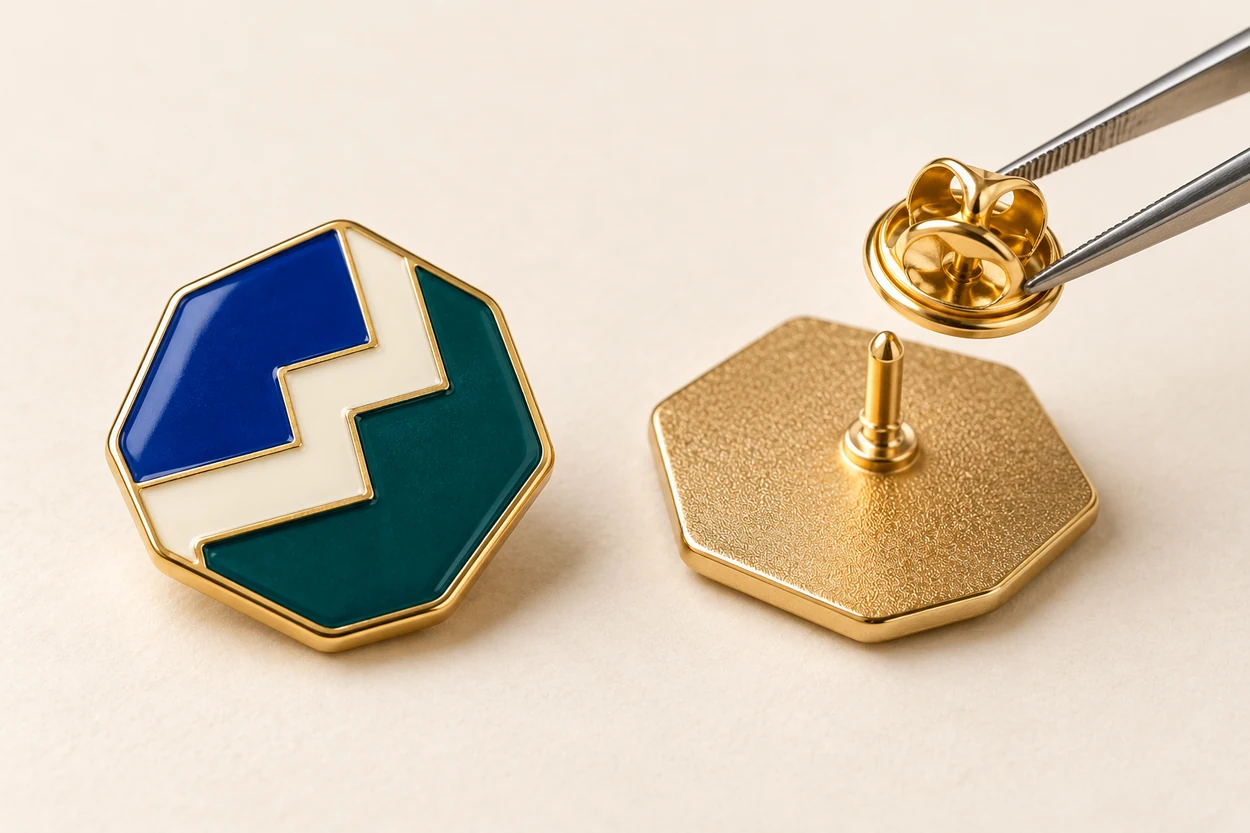
Backing & assembly
The finished body is brought together with the specified fixing or component scope.
The reverse and supplied assembly need their own definition.

Product review
Relevant features and the supplied arrangement are compared with the agreed reference.
Name the version, feature and specific question when feedback is needed.

Packing preparation
Presentation, protection, counting and outer packing follow the agreed supplied form.
Confirm pieces or sets, versions and the information needed for dispatch.
This is an illustrated route, not a factory SOP, inspection standard or fixed-day production promise.
Inspect the connection, not only the front.
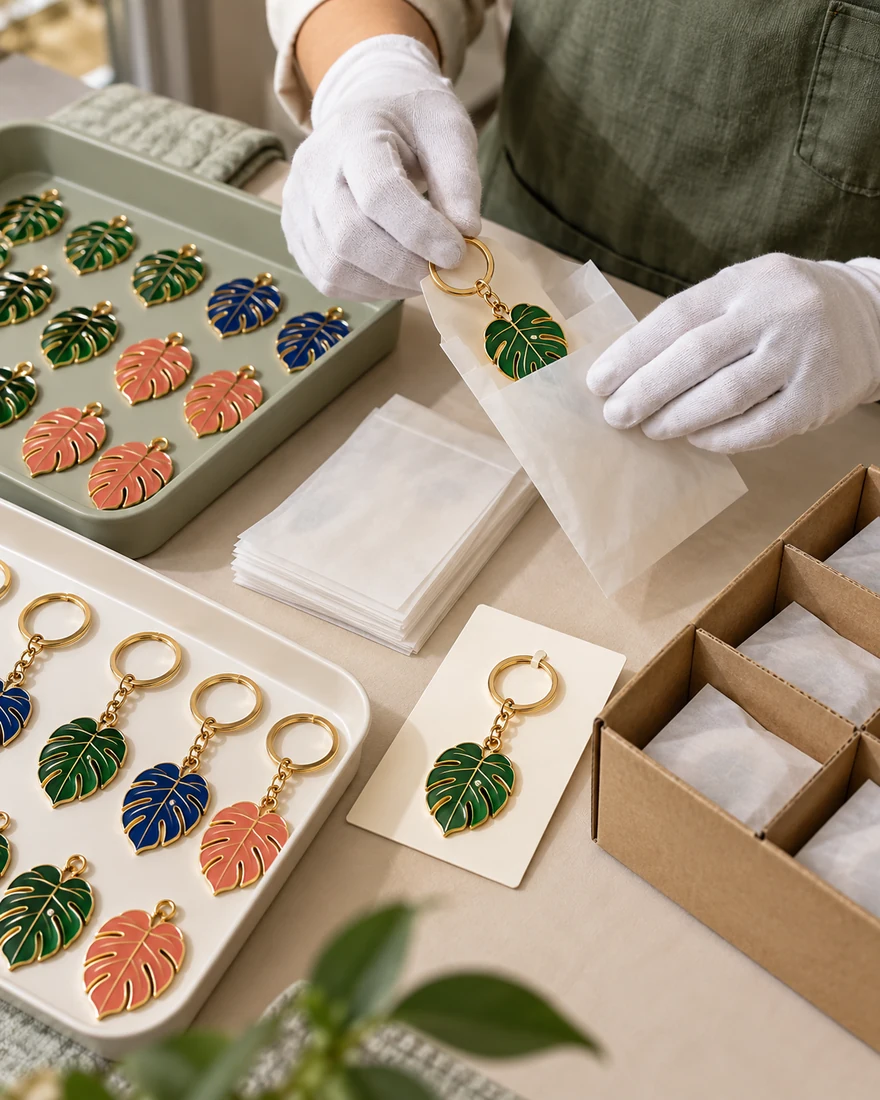
Pin backs, keychain connections, medal suspension and charm hanging points solve different structural questions. Define the relevant interface with the product.
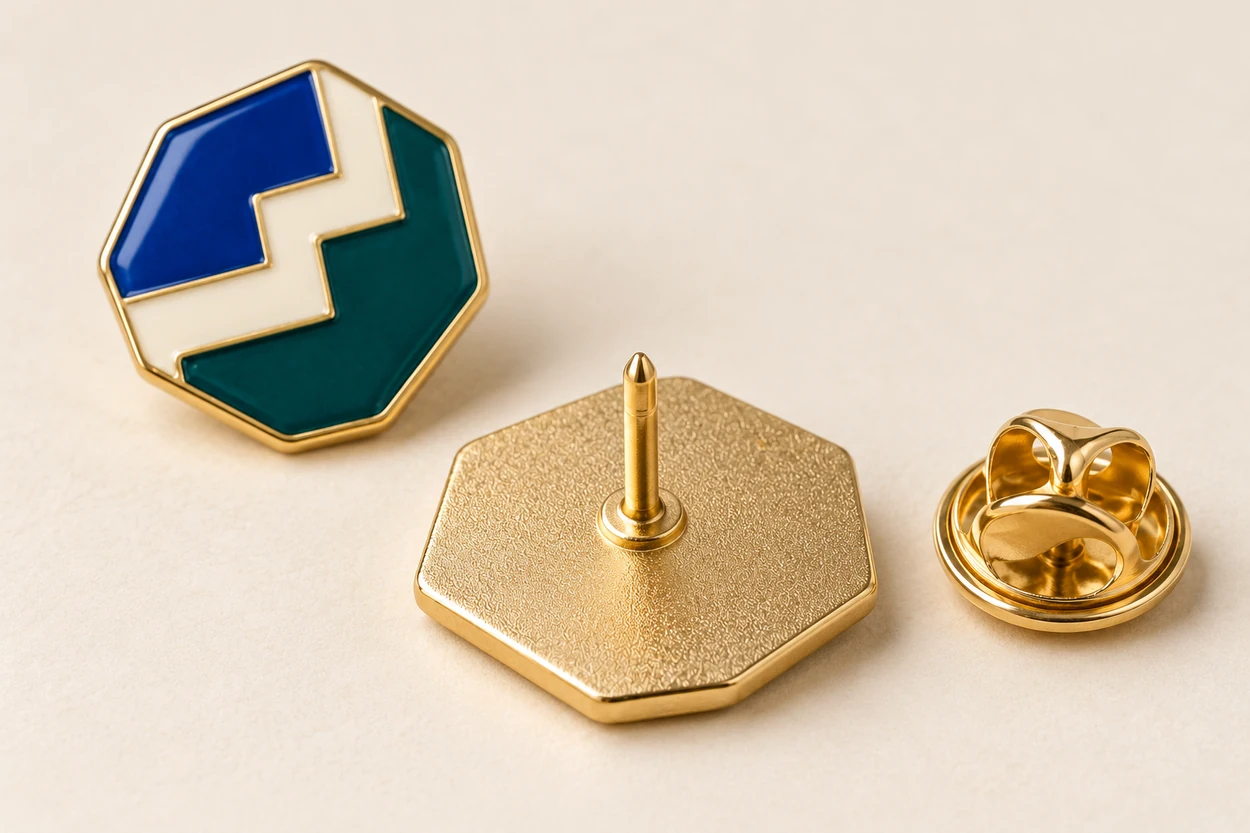
Pin backing
Identify the fixing, position, reverse and assembled scope. Compare the actual connection with the relevant agreed reference.

Keychain connection
Discuss the body’s connection point, linking parts and the complete or component arrangement to supply.

Medal suspension
Review how the medal and hanging arrangement belong together for the intended use.

Charm hanging point
Define the hole or eye and the connecting part required by your supplied structure.
The illustrated fittings are examples to discuss, not a universal selection or performance guarantee. Any required review method, condition or evidence needs project confirmation.
Agree which reference answers which question.
Name the reference as well as the feature. Different records can describe different parts of the product and supplied arrangement.
Artwork version
Identifies the design, outline, colour arrangement and requirements recorded in that version.
Specification record
Brings the agreed product, fittings, versions, quantities and supplied requirements into the discussion.
Sample or product reference
Supports discussion of actual appearance, surface, reverse, connection and presentation within the relevant scope.
Packing reference
Helps describe the supplied arrangement, protection, identification and quantity units.
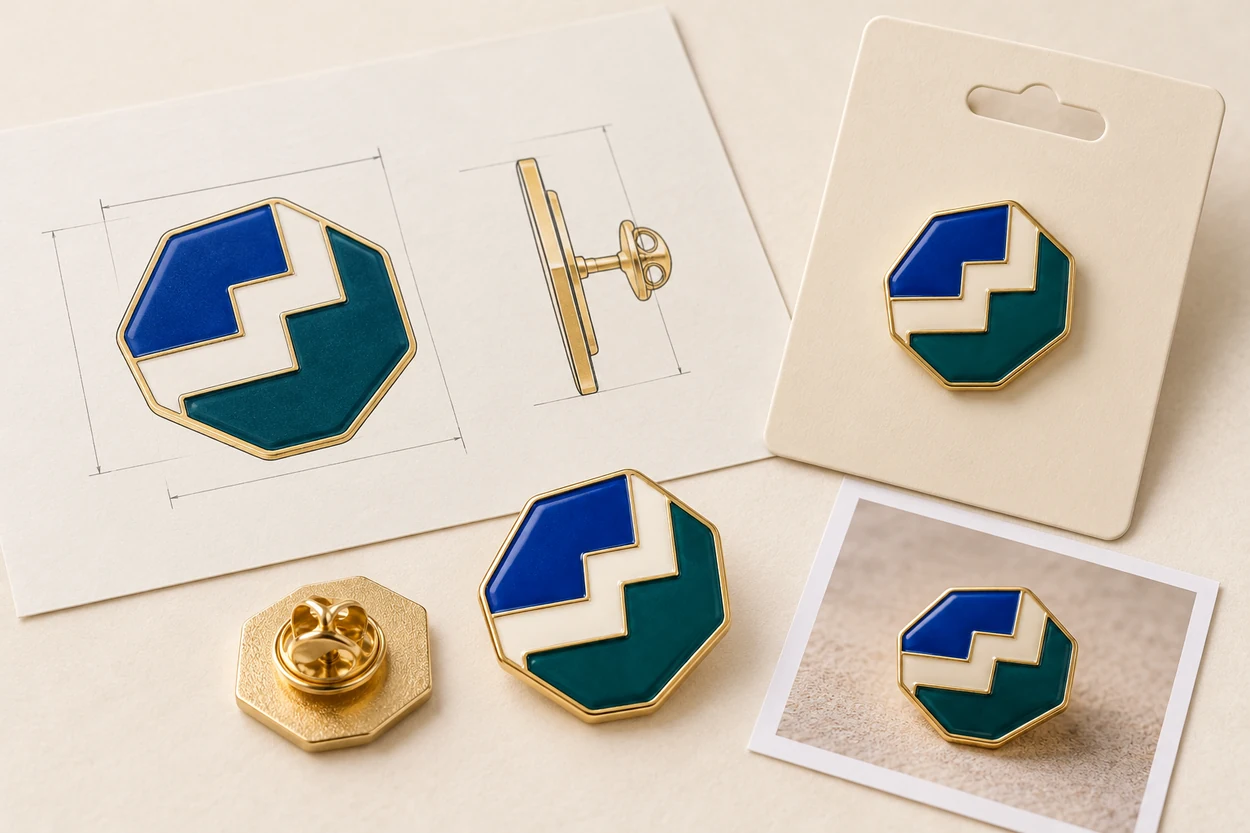
If references conflict or leave a gap, state the difference for discussion. This page does not establish contractual precedence between documents.
Make review requirements specific.
Identify the part, the reference and the requirement your team needs to agree. A general request for good quality does not define the review.
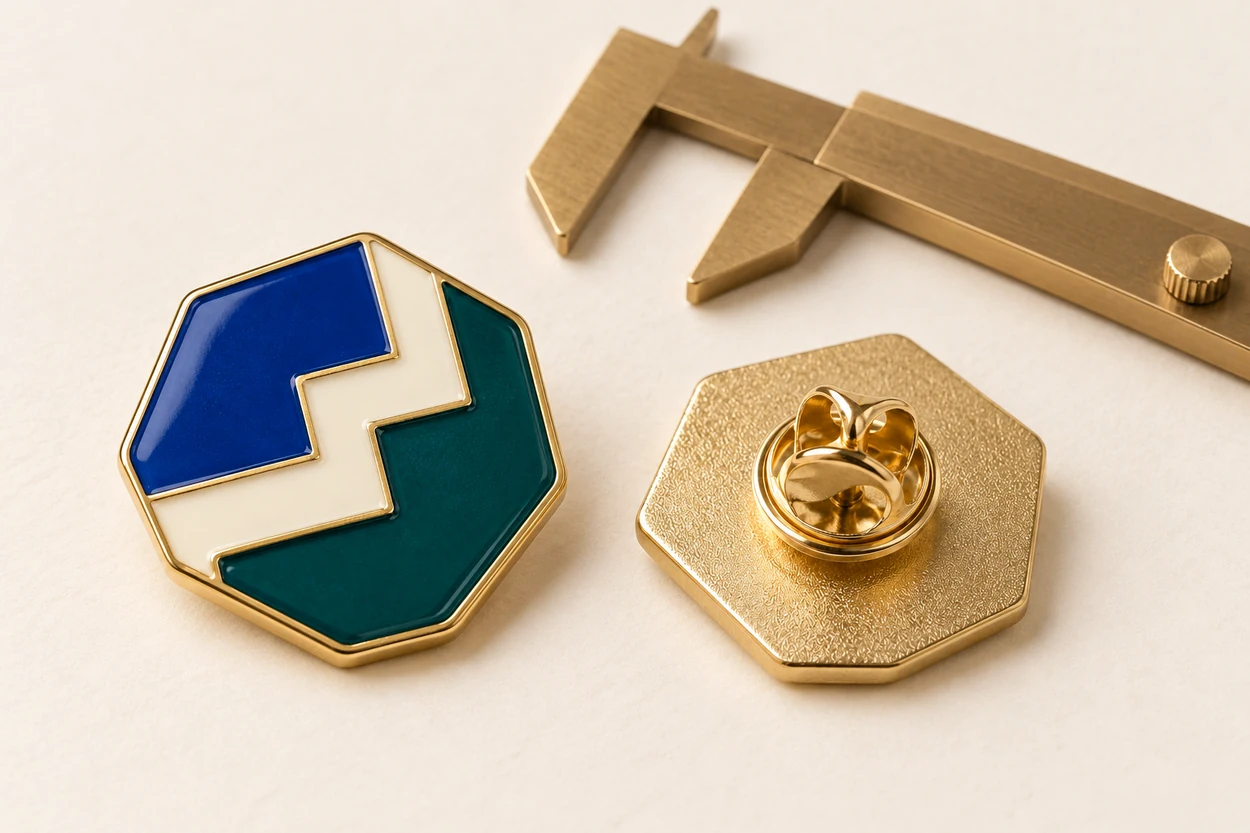
Appearance
Colour areas, boundaries and visible metal — identify the aspect and the named visual reference to compare.
Front, reverse & size
Record the views and dimensions important to the product, with any required conditions to discuss.
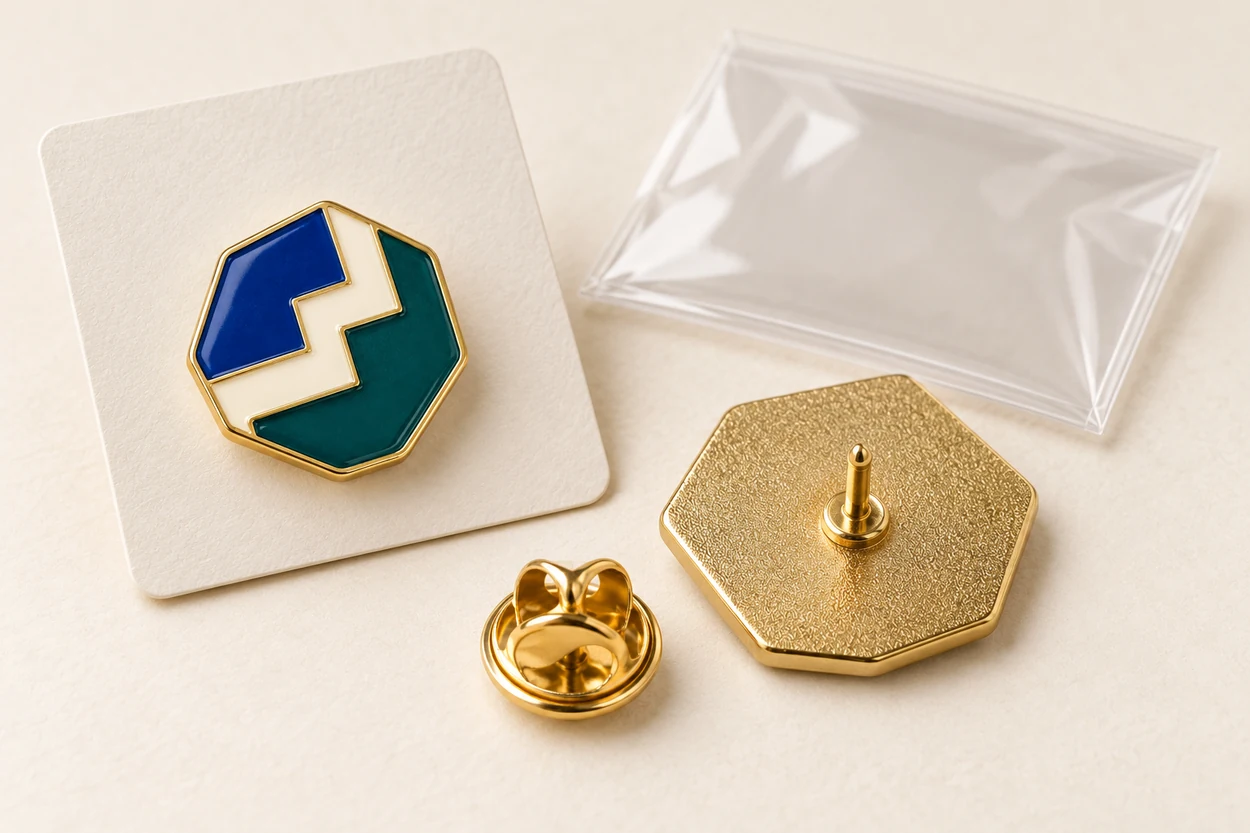
Backing & connection
Name the fixing, location and supplied structure. State any particular performance review or evidence requested.
Version & counting
Explain the design identification and whether quantities mean pieces, components or sets.
Presentation & packing
Identify the relevant card, protection, set or outer-packing reference and the requirements to confirm.
Sampling scope, acceptance conditions, methods and records must be discussed for the project. No default AQL, inspection percentage, laboratory test or certificate is stated here.
Six technical cooperation decisions.
The physical route makes the product. These decisions align the requirements and references between your purchasing team and ours.
Define use & product scope
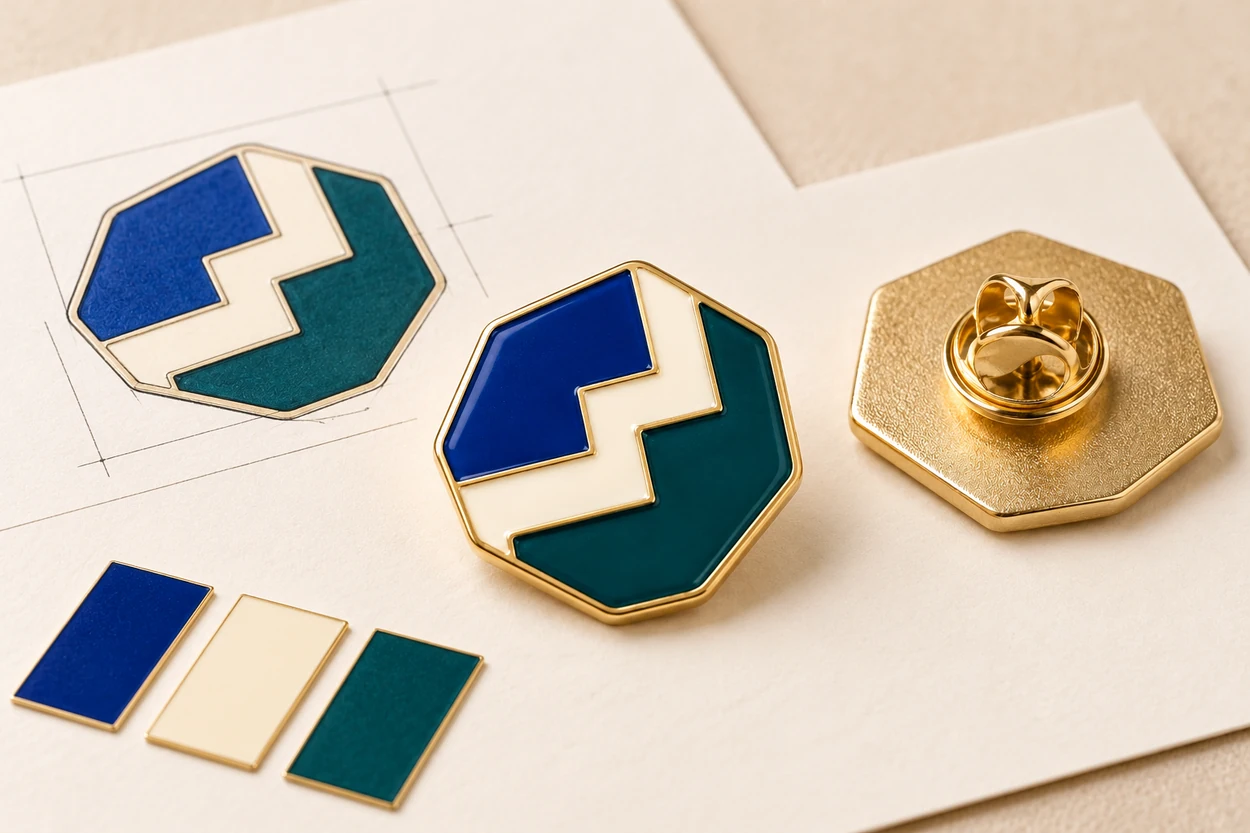
Your input
Share the use, market, product definition and quantities by design or version.
Agree together
Identify the supplied scope and the specifications still open.
Review route & interfaces
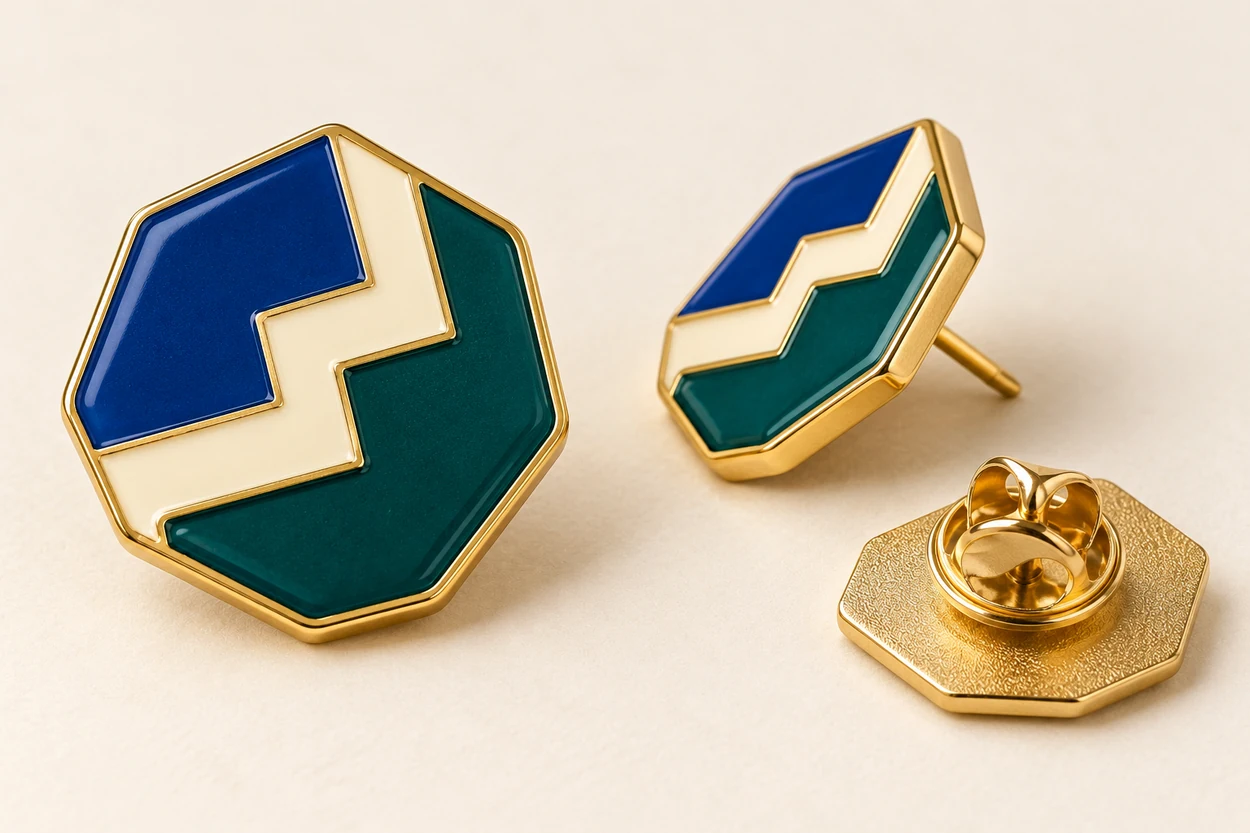
Your input
Show the surface effect, reverse, connection and manufacturing questions.
Agree together
Discuss the applicable product conditions and points to resolve.
Name the review references
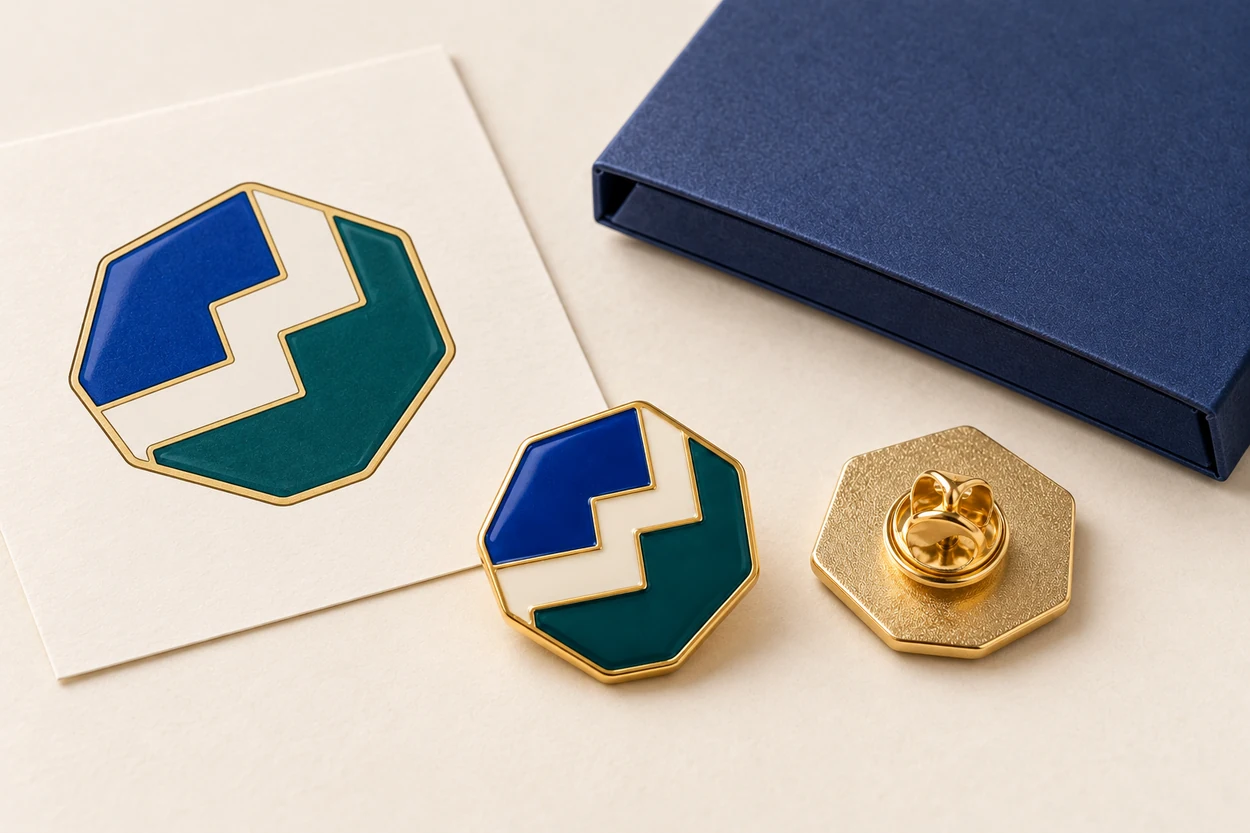
Your input
Identify the artwork, specification, sample and packing references relevant to the project.
Agree together
List missing information or differences between the references.
Agree manufacturing & review
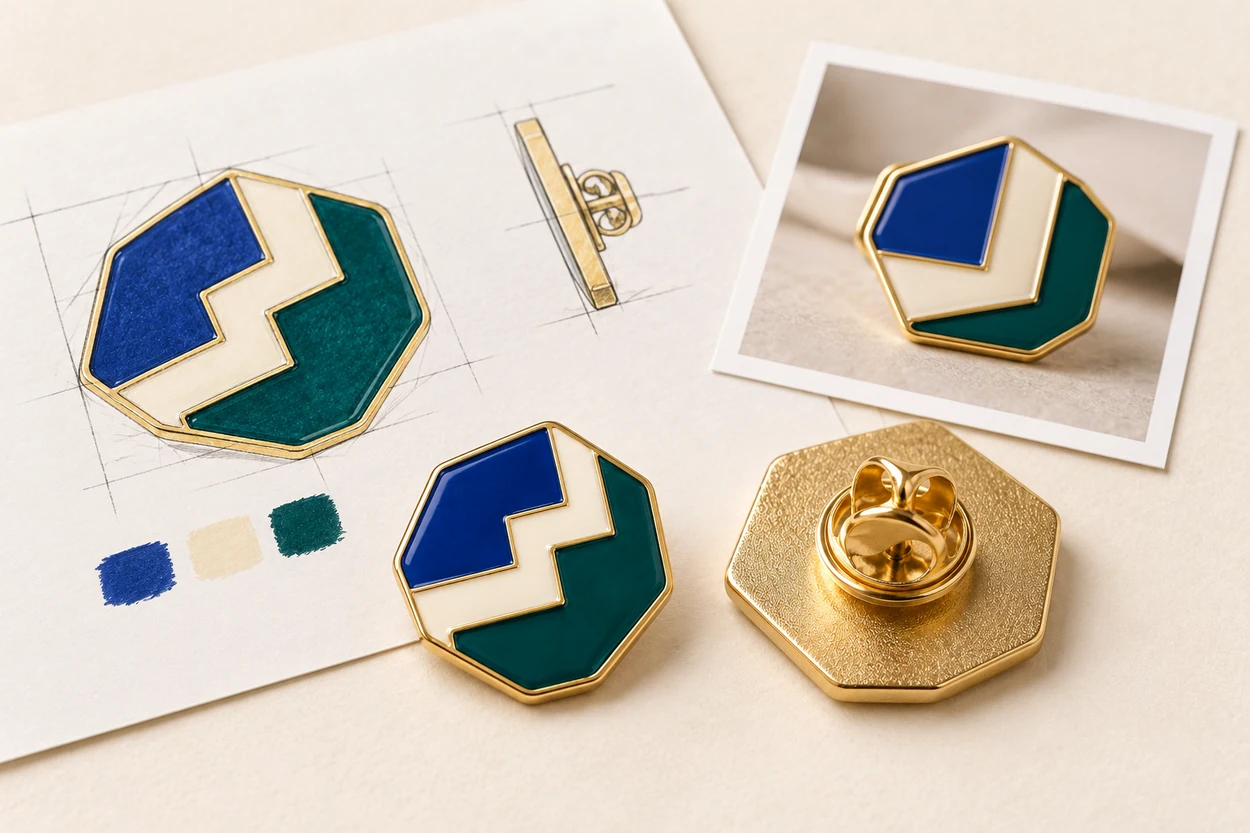
Your input
Provide the required features, methods, conditions and information for your purchasing review.
Agree together
Confirm actual arrangements and the available scope; no unlisted standard is assumed.
Discuss product & packing observations
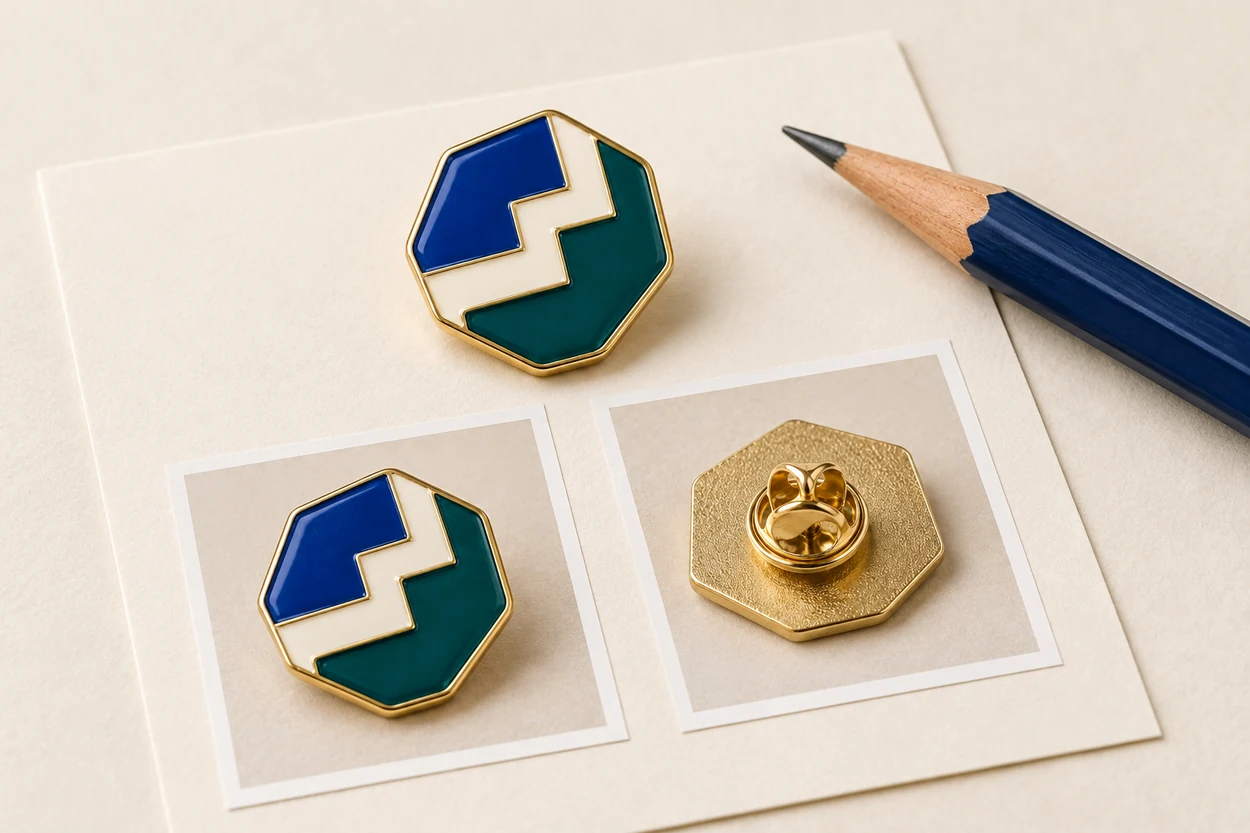
Your input
Give location-based feedback with the relevant reference and expected requirement.
Agree together
Identify questions and the appropriate further discussion or action.
Confirm dispatch information

Your input
Clarify pieces or sets, version identification, packing and receiving requirements.
Agree together
Agree the packing and delivery information for the actual project.
Timing and the information available are confirmed individually. A technical request is not automatically an agreed test or certification programme.
Describe an issue so it can be reviewed.
A useful observation connects the product, the location and the expected requirement. Include an overall view so that a close-up can be understood in context.
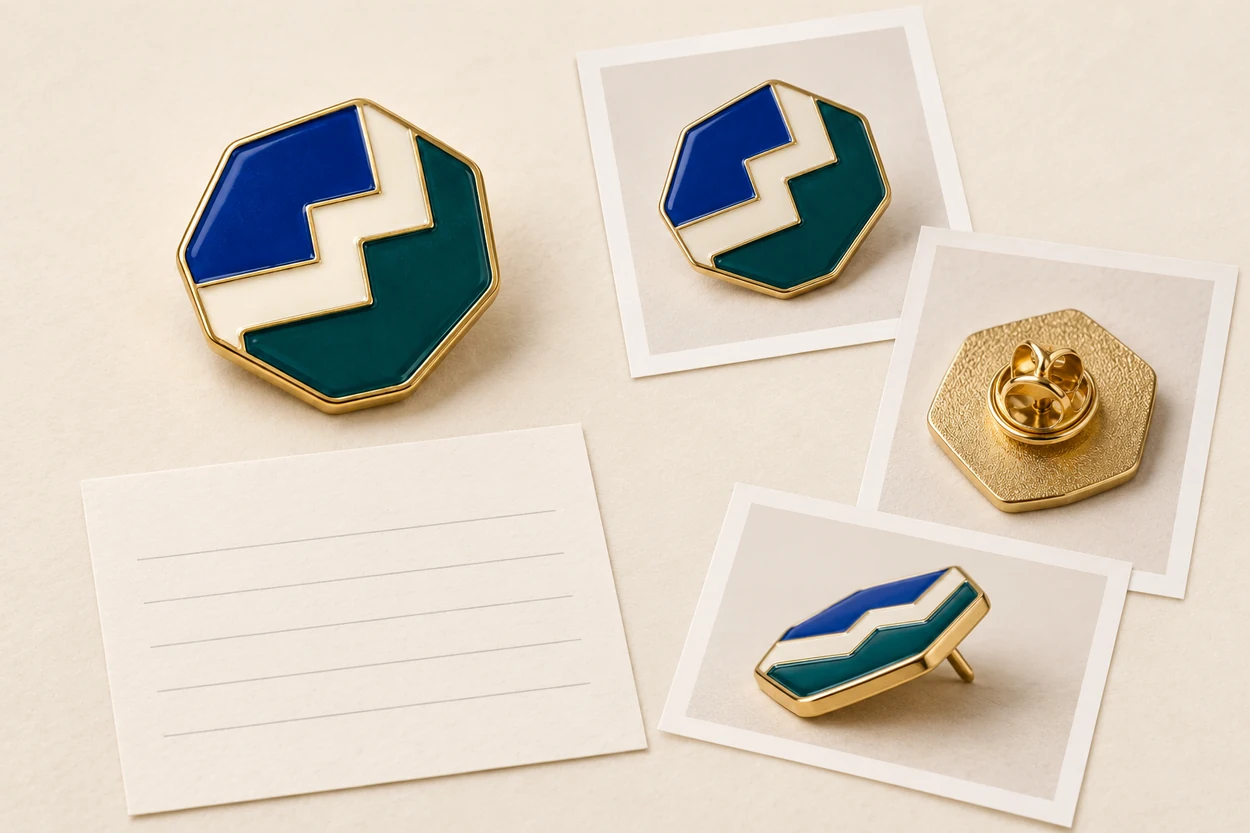
Reference
Name the design version or sample being discussed.
Location
Identify the front, reverse, edge, colour area, fitting or packing feature.
Observation & expectation
Explain what you see and the requirement or reference you are comparing it with.
Question to resolve
State what needs clarification or review. Clear photographs or marked views can help.
The example record is a communication aid, not a real inspection finding. An observation needs to be assessed; it does not establish an automatic remedy, refund or rework policy.
Define packing at each level.
The front design does not define how the order should be assembled, counted or packed. Work from the supplied product outwards.

Product & fitting
Identify the parts supplied together and any assembly that remains with your team.
Individual protection & display
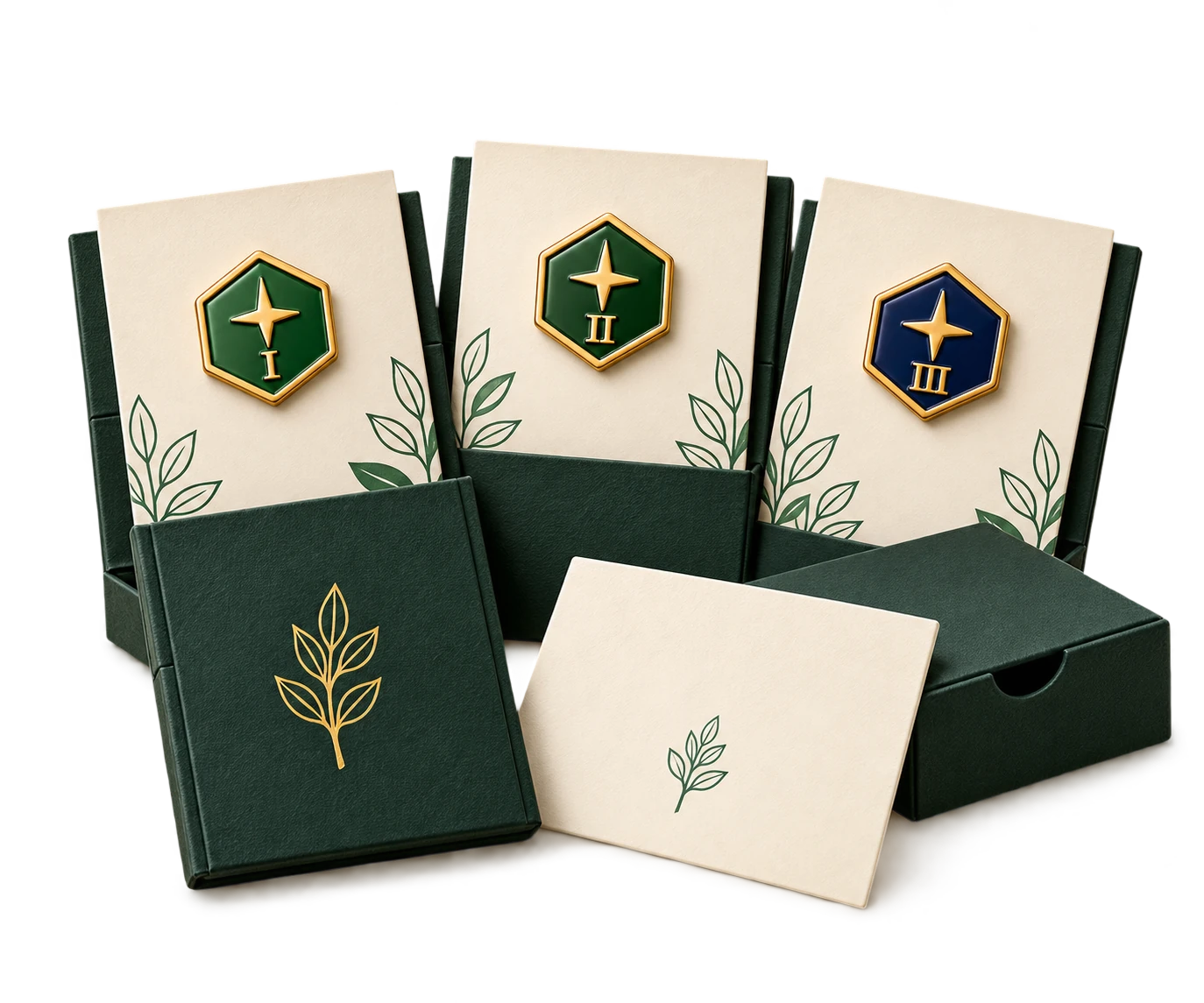
Discuss the backing card, sleeve or other agreed presentation and protection.
Pieces, sets & versions
Define how the product groups relate to the quantities and how versions need to be identified.
Outer packing & information
Share the outer-packing and receiving requirements and the information needed for dispatch.
The arrangement shown is illustrative, not fixed packaging supplied with every order. Confirm the actual scope and references for your project.
Manufacturing scope and review access.
Green Frog Supply is operated by HANGZHOU FORTHRIGHT TRADE CO., LTD in Hangzhou, China. Our own factory supports the work from tooling to packing.
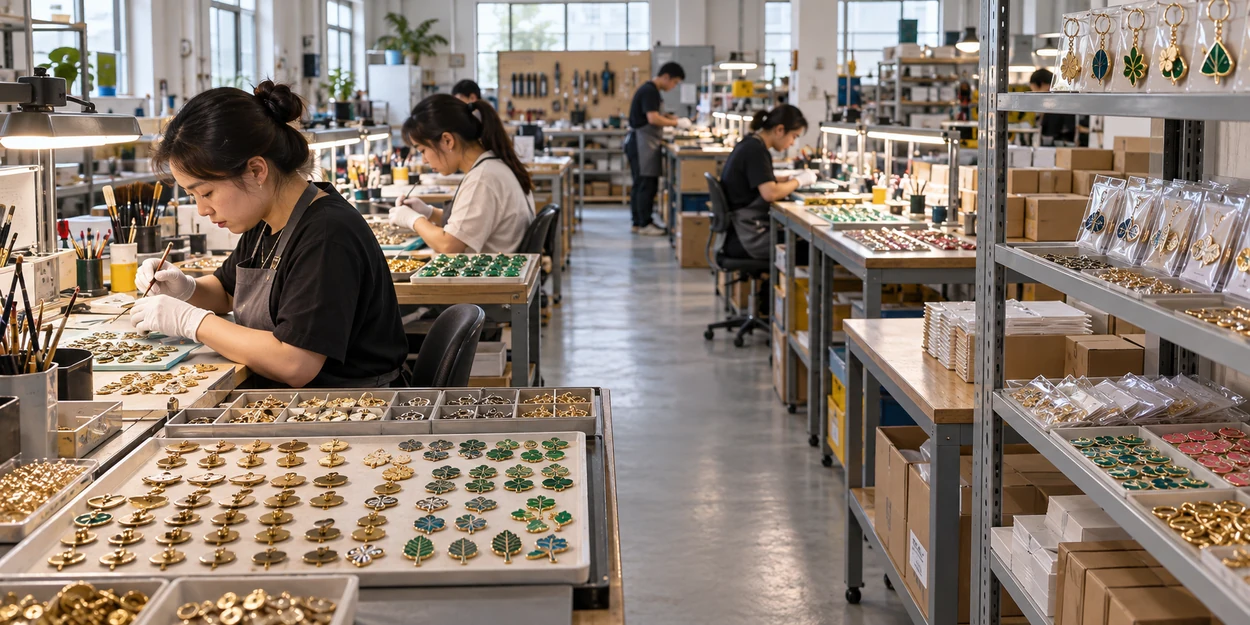
Our in-house scope includes tooling, metal forming, enamel colouring, polishing, electroplating, assembly, inspection and packing. The inspection and packing views illustrate different work areas within that scope; they do not establish a specific test programme or acceptance standard.
In-person visits and video factory reviews are available by appointment. Share the factory and quality information your purchasing process requires so that the actual agenda and materials can be discussed for the project. No unlisted certificate or laboratory report is implied.
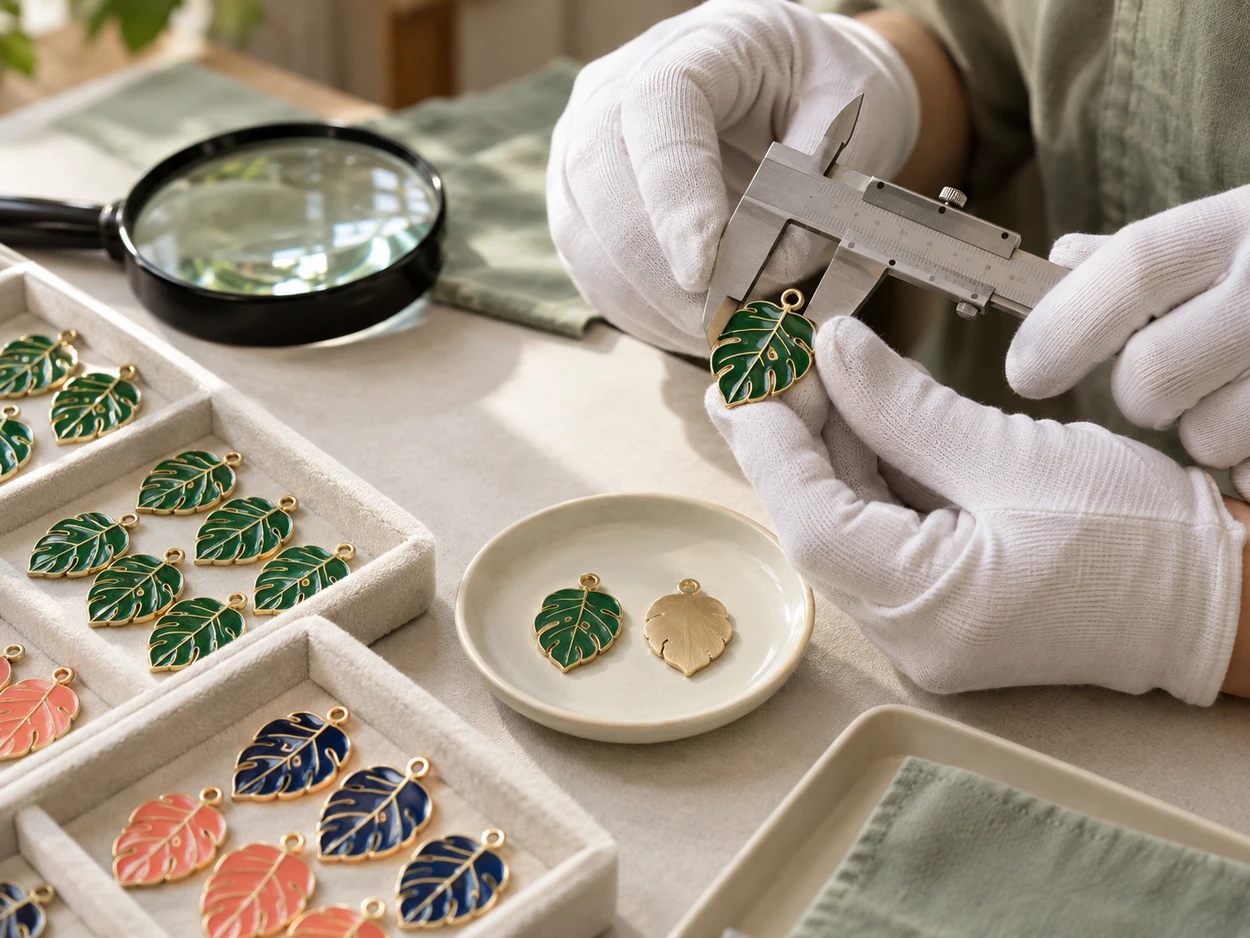
Production and review questions.
Clarify the conditions, reference and information relevant to your business order.
01Do soft and hard enamel products follow the same manufacturing sequence?
They should not be assumed to follow one universal sequence. The chosen surface, metal appearance, construction and fittings affect how the manufacturing work is arranged. Soft enamel has recessed colour areas against higher metal boundaries, while hard enamel is finished towards a smoother, more level surface. The route must be discussed for the actual design rather than copied from a general illustration.
02Which specifications should be defined before production is arranged?
Identify the design version, intended size, outline, enamel surface, visible metal, reverse, fittings and supplied form. List quantities by design or version and explain whether they mean pieces, components or sets. Add packing and review requirements, marking any open decisions. These inputs help define the manufacturing reference without treating an incomplete image as a complete product instruction.
03How should our team review a pin back or other connection?
Show the intended use and identify the specified fixing or connection, its position and the assembled or component scope. Pins, keychains, medals and charms have different interfaces. Review the reverse and the relevant connection with the product, rather than judging only the front. Any required performance check, method or supporting information needs to be discussed for that project.
04What should be used as the quality-review reference?
Name the artwork version, specification record, sample or other reference relevant to the feature being reviewed. Explain what each reference is intended to define, including the supplied presentation and packing. If two references appear inconsistent, identify the difference for discussion. This page does not establish a contractual order of precedence between documents or assume that every reference answers every question.
05Which product features can we include in our review requirements?
You can identify appearance and colour areas, metal boundaries, front and reverse, dimensions, fittings, connections, design versions and packing. State the specific feature and the reference your purchasing team wants to use. Any review method, acceptance condition, sampling scope or record must be agreed for the project. A general request for good quality does not define those details by itself.
06Can you provide factory or quality documents?
Project-specific factory and quality information can be discussed. Send the actual documents or information your purchasing process requires so that the available materials and scope can be confirmed. In-person visits and video factory reviews are also available by appointment. This does not imply that a particular certificate, laboratory report or unlisted test is already available for every product.
07Does this page promise a standard inspection rate or test programme?
No fixed inspection rate, AQL level, performance test or certification programme is stated here. Requirements depend on the product and the individual project discussion. If your organisation requires a particular method, condition or report, identify it before manufacturing arrangements are confirmed. Its applicability and the information that can be provided need to be reviewed rather than assumed from a process illustration.
08How should we report a question about an artwork or sample?
Identify the design or sample reference, the location concerned and what you observed. Explain the expected requirement and which reference you are comparing it with. Clear photographs or marked views can help describe the question, with the overall product included for context. The issue and appropriate follow-up need to be reviewed; a submitted observation does not establish an automatic remedy or commercial outcome.
09Why do packaging and counting units belong in the specification?
They help define the supplied arrangement as well as the product itself. Clarify which fittings and components arrive together, whether quantities refer to pieces or sets, and how versions should be identified. Presentation, protection and outer-packing requirements should also be discussed. A finished front design does not by itself define how the order should be assembled, counted or packed.
10What is completed in your own factory?
Our in-house scope includes tooling, metal forming, enamel colouring, polishing, electroplating, assembly, inspection and packing. Green Frog Supply is operated by HANGZHOU FORTHRIGHT TRADE CO., LTD in Hangzhou, China. Visit and video-review arrangements are confirmed by appointment. Factory and process images labelled as AI-generated illustrations explain the subject and are not actual factory photographs or evidence of test results.
See review decisions in a product.
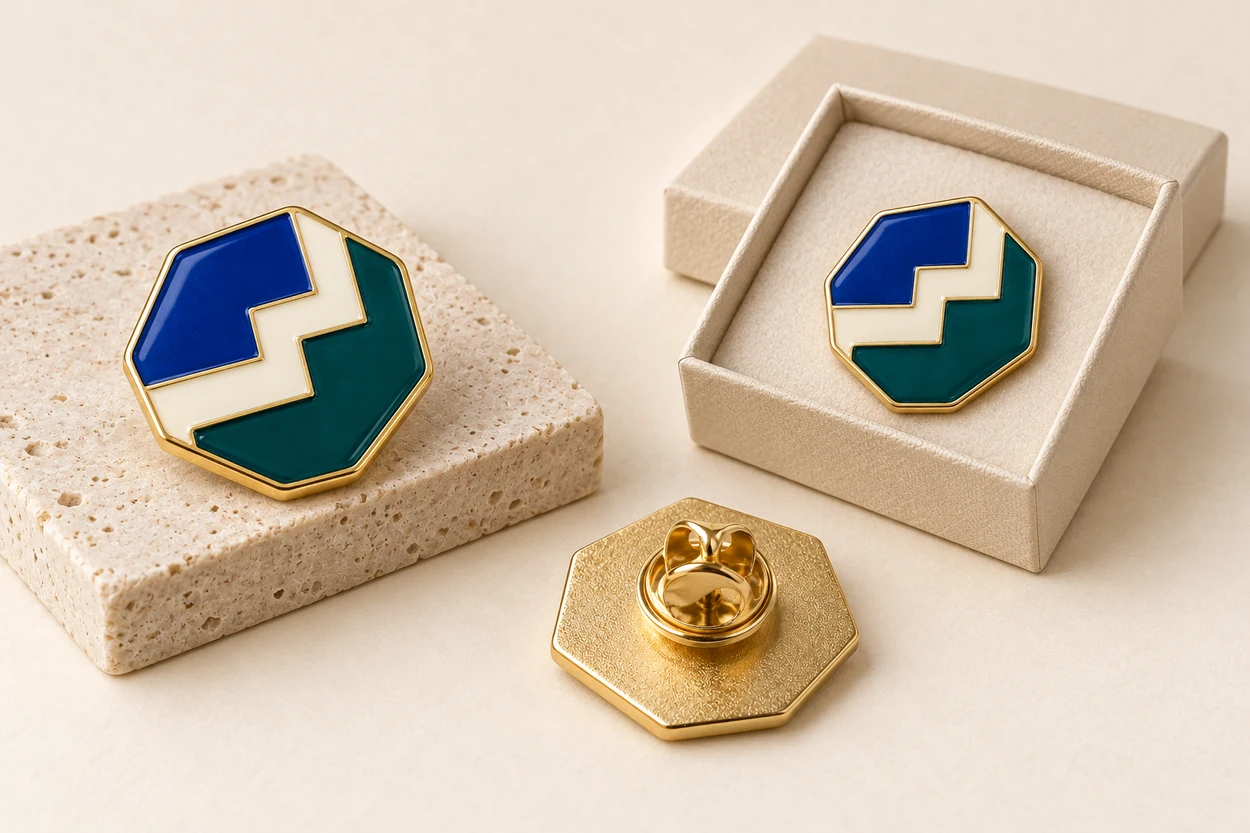
These published illustrative concepts give different details to examine. They are not stock products, customer cases or test records.


Bring a reference and the review questions.
Share the product definition, named references and requirements your team needs to discuss. Mark unresolved specifications and any requested supporting information.
